 Blaine Siding
 Window Installation on the Semiahmoo Shoreline
Semiahmoo sits out on open water at the edge of Blaine, and that location changes what a window installation needs to do. Homes here face wind coming straight off Semiahmoo Bay and Drayton Harbor, salt-laden air that never really lets up, and a wet season that stretches for months. A window that performs fine three miles inland can struggle out here if it wasn't installed with that exposure in mind. This page is about one job, done right, in one place: replacing or installing windows on homes in and around Semiahmoo.
We're not going to give you a generic rundown of why windows matter. We're going to walk through what changes when the job site is a few hundred yards from saltwater, what a correct installation actually involves, and how we handle it.
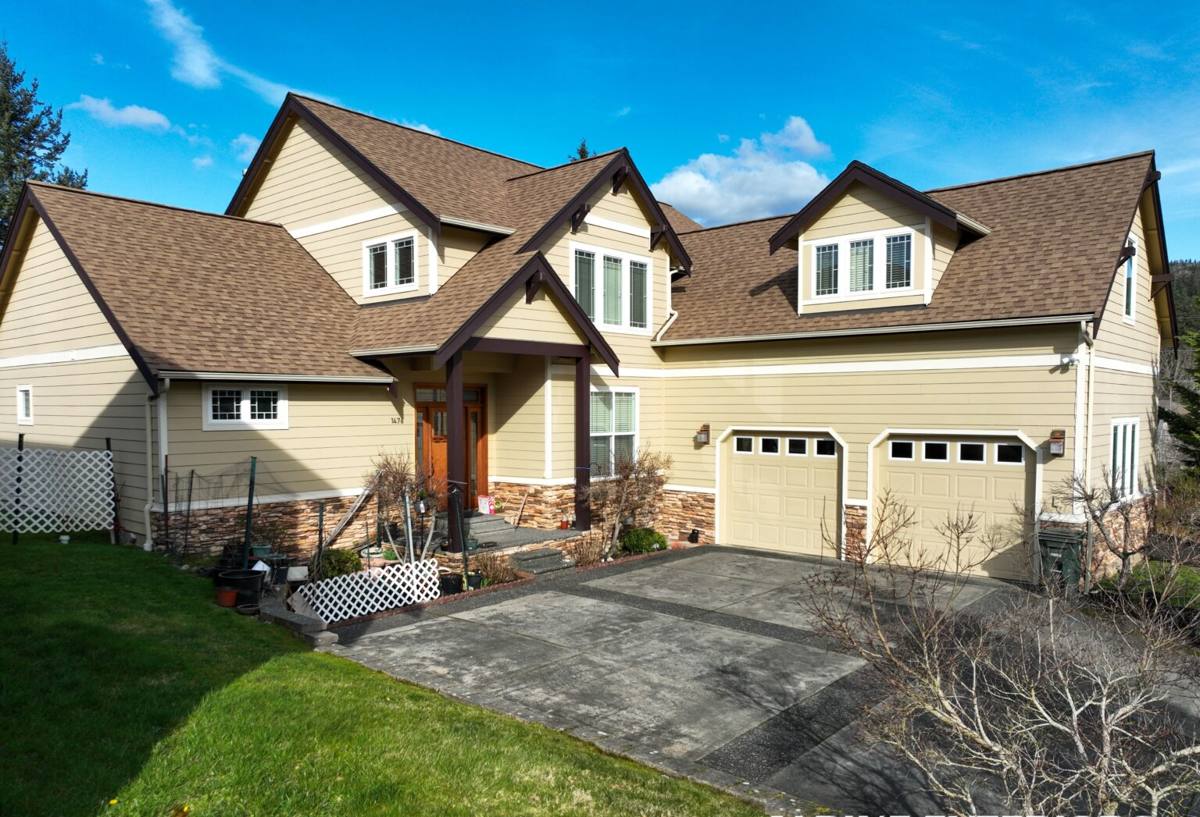
What Salt Air and Marine Exposure Do to Windows Over Time
Whatcom County's marine climate is a mixed blessing for a home's exterior — mild temperatures, but near-constant moisture and, out on Semiahmoo specifically, airborne salt. Over years, that combination shows up in predictable places:
- Hardware corrosion — cheap or unprotected fasteners, hinges, and locking mechanisms pit and seize faster near saltwater than they would inland.
- Seal and gasket breakdown — constant damp cycling (wet, dry, wet again) accelerates the aging of weatherstripping and glazing seals, which is often the real reason a "foggy" double-pane window shows up years earlier than the manufacturer's warranty would suggest.
- Frame degradation — wood frames without excellent detailing pick up moisture at joints and end grain; even some vinyl and aluminum products react to prolonged salt exposure if the installation didn't account for drainage and airflow.
- Moss and organic growth — Whatcom County's long moss season isn't just a roof problem. Moss and algae take hold on horizontal sills, trim, and anywhere water sits instead of shedding, which traps moisture against the window unit itself.
- Wind-driven rain intrusion — Semiahmoo's open exposure means rain doesn't just fall, it's pushed sideways into the wall assembly. A window opening that isn't flashed correctly for that condition will eventually leak, even if the window itself is a good product.
None of this means Semiahmoo is a bad place to own a home with nice windows. It means the installation has to be built for the site, not just the climate zone in general.
Signs a Semiahmoo Home's Windows Need Attention
Homeowners out here usually notice a handful of the same warning signs before calling. If you're seeing any of these, it's worth having a window looked at before it becomes a wall problem:
- Fogging or a visible haze between panes on a double-pane window — the seal has failed and the argon or air gap is compromised.
- Soft, discolored, or spongy trim and sill material around the window opening.
- A draft you can feel with your hand near the frame on a windy day, especially during a storm blowing in off the water.
- Difficulty opening, closing, or locking a window that used to operate smoothly — often a sign of corroded or swollen hardware.
- Visible moss, algae, or persistent black staining on the sill or lower frame.
- Peeling or bubbling paint on interior trim near the window, which usually points to moisture getting past the exterior seal.
- Noticeably higher heating bills without another clear cause — older single-pane or failed-seal windows are a common culprit in older Semiahmoo and Blaine homes.
What a Correct Window Installation Actually Involves
The window unit itself is only part of the job. Most window failures we get called out to fix — leaks, drafts, rot around the opening — trace back to installation shortcuts, not a bad product. On a Semiahmoo home, we pay particular attention to a few things.
Flashing and Water Management
Every window opening needs a drainage path that assumes water will get behind the trim eventually, because on this shoreline, it will. That means correctly lapped flashing tape and building paper (or house wrap) at the head, jambs, and sill, a sloped sill pan so any water that gets in drains back out instead of pooling, and integration with the surrounding siding so water sheds down and away from the opening rather than into it. This is the single most important — and most commonly rushed — part of any window job.
Frame Material Selection
Not every frame material handles Semiahmoo's salt air and moisture equally well. We lean toward vinyl and fiberglass frames for most coastal Whatcom County installations because they don't rust, don't require repainting, and tolerate constant damp-dry cycling without the maintenance burden that wood or bare aluminum can carry this close to saltwater. Where a homeowner wants a wood interior look, we detail it so the exterior-facing material is the part doing the weather resistance work.
Fasteners and Hardware
We use corrosion-resistant fasteners and hardware rated for coastal or marine-grade exposure rather than standard interior-grade parts. It costs a little more up front and saves a service call in five years when a standard screw would have already started rusting through.
Insulation and Air Sealing
The gap between the window frame and the rough opening needs to be filled with a low-expansion foam or backer rod and sealant designed for that gap — not stuffed with fiberglass batting, which does little to stop air movement and nothing to stop moisture. Done right, this is what actually stops the draft you feel on a windy day.
Glazing and Glass Package
For this climate, we generally recommend a Low-E coated, dual-pane (or triple-pane, for particularly exposed walls) unit with an argon or krypton gas fill. The coating helps manage heat loss through our mild but overcast winters, and the sealed gas fill resists the moisture cycling that degrades cheaper units faster near the water.
Choosing Window Materials for a Coastal Whatcom County Home
There's no single "best" window material for every home — it depends on exposure, budget, and how much maintenance you want to take on. Here's how the common options stack up specifically for a Semiahmoo-type coastal setting:
| Frame Material | Coastal/Salt Air Performance | Maintenance | Typical Fit |
|---|---|---|---|
| Vinyl | Does not rust or corrode; handles damp cycling well | Low — occasional cleaning | Most Semiahmoo homes, best value-to-durability balance |
| Fiberglass | Excellent — very stable in temperature and moisture swings | Low | Homes wanting a firmer frame or larger openings |
| Wood (clad exterior) | Good if the exterior cladding and flashing are done correctly; vulnerable if not | Higher — exterior clad reduces but doesn't eliminate upkeep | Homeowners prioritizing a traditional interior look |
| Bare/unclad aluminum | Weakest choice this close to saltwater without added protective finishing | Higher near the coast | We generally steer homeowners away from this for direct waterfront exposure |
We're upfront when a material isn't the right fit for a specific wall on a specific home — it's a maintenance and moisture conversation, not a brand preference.
Our Window Installation Process
The process is the same whether it's one window or a full-home replacement, just scaled up:
- On-site assessment. We look at the existing openings, note any signs of rot, water intrusion, or settling, and measure precisely — every opening in an older home tends to be slightly different, even if they look the same.
- Product selection. We walk through frame material, glass package, and hardware options based on that specific wall's exposure, not a one-size answer for the whole house.
- Careful removal. Old windows come out without tearing up more of the surrounding wall than necessary, and we check the framing underneath for hidden moisture damage before anything new goes in.
- Opening prep and flashing. This is where the water management described above gets built — sill pan, flashing tape, and integration with the existing weather barrier.
- Installation and shimming. The new unit gets set plumb, level, and square, then shimmed and fastened so it operates smoothly and doesn't stress the frame.
- Insulation and sealing. The gap gets properly filled and both interior and exterior sealant beads go in — exterior sealant is only a backup to good flashing, never a substitute for it.
- Trim and finish work. Interior and exterior trim gets reinstalled or replaced, and everything is caulked and finished to match the home.
- Final walkthrough. We test operation, check the seal, and walk the homeowner through anything they should know about their new windows.
Cost Factors for Window Installation in Semiahmoo
Every home is different, so we won't quote a number without seeing the job — but these are the factors that actually move the price up or down, and they're worth understanding before you start getting estimates:
| Factor | Why It Matters |
|---|---|
| Full-frame vs. insert replacement | Full-frame (tear-out to the rough opening) costs more but is often necessary when there's existing water damage or the opening needs re-flashing |
| Frame material | Vinyl is typically the most budget-friendly; fiberglass and clad wood cost more up front |
| Glass package | Triple-pane and specialty coatings add cost but can be worth it on the most exposed, wind-facing walls |
| Number and size of openings | Larger units and picture windows cost more than standard operable sizes |
| Existing damage | Rot or water intrusion found during removal adds repair work before the new window can go in |
| Access and site conditions | Second-story or hard-to-access openings take more labor time |
As a broad starting point, most homeowners in this area budget somewhere in the low-to-mid thousands per window for a quality product and proper installation, with the total depending heavily on the factors above. We'll give you real numbers once we've actually seen the openings.
Why a Crew That Already Works Semiahmoo Matters
There's a real difference between a contractor who's installed a handful of windows near saltwater and one who works Semiahmoo and the surrounding Blaine shoreline regularly. A crew that already knows this stretch of Whatcom County knows which walls take the worst of the wind-driven rain, doesn't need to guess at flashing details for salt air exposure, and has already seen how different frame materials hold up a few years out on this specific coastline — not just in a manufacturer's brochure. That local track record is why we don't treat every window job the same way we would fifteen miles inland.
It also matters for something less obvious: knowing which manufacturers stand behind their products in this environment and which installation details actually prevent callbacks. We'd rather install fewer window lines well than every option on the market — that's a professional standard, not a sales pitch.
Maintaining New Windows in a Marine Climate
A correct installation buys you decades of trouble-free performance, but a little upkeep in this climate goes a long way:
- Rinse salt residue and grime off exterior frames and glass a few times a year, especially after storms.
- Clear moss and debris from sills and tracks before it holds moisture against the frame.
- Check and lubricate hardware annually — locks, hinges, and rollers hold up much longer with occasional attention in a salt-air environment.
- Inspect exterior caulking each year and have any cracked or separated beads redone before the wet season sets in.
- Watch for condensation between panes — it means a seal has failed, not that anything about your home changed.
If you're weighing window replacement for a Semiahmoo home, we're happy to take a look and give you a straightforward, no-pressure estimate — what we'd actually recommend for your specific walls and exposure, not a generic package. Reach out using the form below to get started.