 Blaine Siding
 Why Color Choice Is a Bigger Decision Than It Looks
Picking a siding color feels like the fun part of a project, right up until you realize the color you choose has to survive Whatcom County weather for the next 15 to 30 years without fading, chalking, or peeling. In Blaine, that means salt-laden air off the Strait of Georgia, driving rain that hits west- and south-facing walls hard, and long stretches of damp shade that grow moss on anything that holds moisture. A color that looks sharp on a sunny showroom sample can behave very differently after five Blaine winters.
This is one of the main reasons we standardized on James Hardie fiber cement instead of vinyl, LP SmartSide, or primed wood siding. The color isn't just a coating sprayed on at the end of the job — it's baked into the product at the factory, and that changes how it ages on your house.
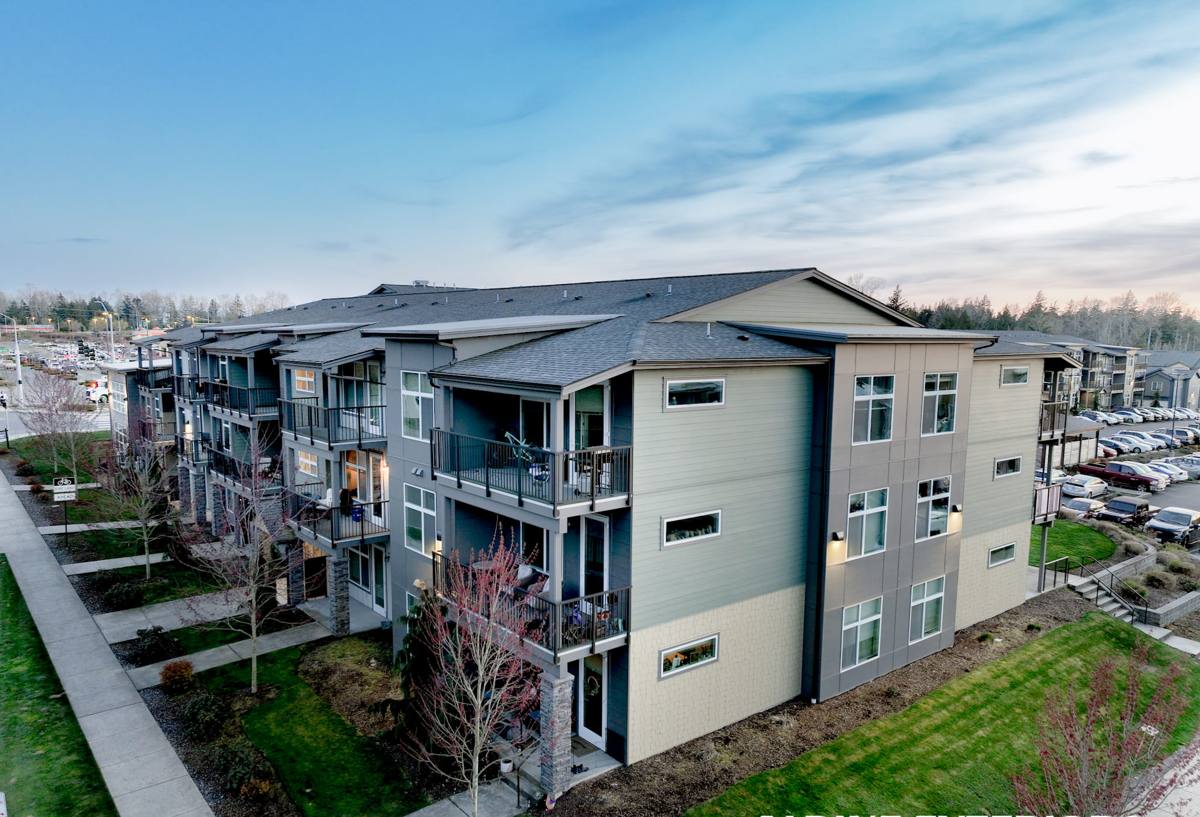
ColorPlus Technology: What Actually Makes It Different
Most siding gets its color one of two ways: it's tinted all the way through the material (vinyl), or it arrives unfinished and gets field-painted after installation (primed wood, primed fiber cement, LP SmartSide). James Hardie's ColorPlus boards are baked-on at the factory in a controlled environment, using multiple coats cured under heat before the boards ever reach a jobsite.
Why factory-applied finish holds up better
- Consistent coverage — no thin spots, drips, or missed edges that happen with a paint sprayer on a windy job site
- Better adhesion — the finish cures onto the fiber cement under controlled heat rather than drying in outdoor humidity
- Color that matches from board to board and from this year's order to a repair five years from now
- A 15-year finish warranty on the color itself, separate from the 30-year product warranty on the substrate
Field-painted siding depends entirely on the weather the day it's applied and the skill of whoever's holding the sprayer. In a marine climate like Blaine's, where humidity swings and salt spray are part of daily life, that field-applied finish is the first thing to show wear — usually as chalking or fading within a handful of years, well before the substrate underneath has any real problem.
The James Hardie Color Palette
James Hardie offers a curated ColorPlus palette rather than an unlimited custom-match system, and that's intentional — every color in the lineup has been engineered and tested as part of the finish system, not just picked for looks. The palette runs from clean neutrals to deeper, more saturated tones, including long-standing options like Arctic White, Iron Gray, Boothbay Blue, Countrylane Red, Mountain Sage, Khaki Brown, and Monterey Taupe. Trim and fascia are typically offered in complementary neutrals so the whole exterior — siding, trim, soffit — reads as one coordinated system instead of a patchwork of separately sourced materials.
Primed boards are still an option
Hardie also sells primed (unfinished) boards for homeowners who want a fully custom paint color outside the ColorPlus lineup. That's a legitimate choice, but it's worth understanding the trade-off going in: primed boards need field painting within 90 days of installation, that field-applied paint doesn't carry Hardie's ColorPlus finish warranty, and repainting becomes a homeowner maintenance item on the same cycle as painted wood trim. Most of our Blaine customers choose ColorPlus for exactly this reason — it takes repainting off the maintenance list entirely.
Matching the Product Line to Blaine's Climate
Color performance isn't only about the finish — it's also about which Hardie product line the color sits on. James Hardie engineers its boards by climate zone, and homes in the Pacific Northwest, including here in Whatcom County, generally call for the HZ5 line, engineered for moisture exposure rather than freeze-thaw cycling or extreme heat. That distinction matters for how the color and finish hold up over time, because a board engineered for the wrong climate zone is more prone to moisture-related finish issues regardless of how good the paint itself is.
Dark colors and salt air
Darker ColorPlus colors absorb more heat and can show dust, salt residue, and water spotting more visibly than lighter tones, especially on walls that face prevailing wind off the water. That's not a reason to avoid dark siding — plenty of Blaine homes wear deep grays and blues well — but it's worth planning for occasional rinsing on those elevations, the same way you'd rinse salt residue off a dark car.
Moss, Shade, and Color: What to Expect
Whatcom County's damp, low-light stretches are hospitable to moss and algae, particularly on north-facing walls, under eaves, and anywhere siding stays shaded and slow to dry. This affects every siding material, but it shows up differently depending on the color and finish:
- Lighter ColorPlus colors make early moss and algae growth visible sooner, which is actually an advantage — you catch it and rinse it off before it spreads
- Darker colors can mask early growth, letting it establish further before it's noticeable
- The factory-cured ColorPlus finish itself resists the kind of surface breakdown that gives algae something to grip onto, compared to a chalky, weathered field-applied paint
Routine rinsing — a garden hose and soft brush, not a pressure washer aimed directly at the boards — keeps any ColorPlus color looking right through Blaine's mossy season.
Choosing a Color for a Blaine Home
A few practical factors we walk through with homeowners before ordering:
Work with what's already there
Roof color, stonework, concrete, and mature landscaping are the most expensive things on the property to change. Pull undertones from those first — warm grays pair with warm-toned roofing, cooler blues and greens sit well against natural stone and PNW greenery.
Consider the light
Blaine's overcast stretches mute colors and can make some tones read flatter or grayer than they do in a sunny showroom. If you're between two similar options, look at large physical samples on the actual house, in actual weather, at different times of day — not just a paint chip indoors.
Trim and accent contrast
A field color with a contrasting trim color (typically a Hardie trim board in white or a complementary neutral) is one of the highest-impact, lowest-cost design decisions on the project, and it's worth spending real time on before boards are ordered.
HOA and neighborhood context
Some Blaine neighborhoods and waterfront-adjacent developments have color guidelines. Check any HOA covenants before finalizing a color — Hardie's palette is broad enough that most guidelines can be satisfied without much compromise.
Cost Factors to Understand Before You Order
| Factor | What It Affects |
|---|---|
| ColorPlus vs. primed boards | ColorPlus costs more upfront per board but eliminates the field-painting cost and ongoing repaint cycle |
| Standard palette vs. custom primed color | Custom colors require field application and are not covered by the ColorPlus finish warranty |
| Trim and accent boards | Coordinated trim in a contrasting ColorPlus color typically adds a modest premium but has a large visual payoff |
| Touch-up and repair supply | ColorPlus touch-up product is factory-matched and should be kept on hand for any future repairs or additions |
| HZ5 climate-engineered boards | Priced similarly to standard lines but engineered specifically for moisture exposure common in Whatcom County |
What Correct Installation Adds to Color Performance
Even the best factory finish can't compensate for poor installation. Proper fastening, correct joint flashing, and manufacturer-specified gapping keep water from getting behind the boards, which is what actually causes the finish issues homeowners blame on "bad paint." Cut edges need factory touch-up or Hardie's edge sealer, because a raw cut edge left exposed is the one place on a ColorPlus board that isn't factory-finished. This is a detail that gets skipped on rushed jobs and is one of the more common causes of premature finish wear at butt joints and corners.
A quick pre-installation checklist
- Confirm HZ5 (or the correct zone) product line is what's being quoted, not a generic HZ10 substitution
- Confirm ColorPlus vs. primed, and if primed, confirm who is responsible for painting and when
- Get large physical color samples, not just a printed swatch, and view them on-site in different light
- Ask how cut edges and joints will be sealed
- Confirm trim color and coordination before boards are ordered — changes after ordering are costly
- Ask what touch-up product you'll be left with for future nail pops or minor damage
Living With ColorPlus Siding Long-Term
Once it's installed correctly, ColorPlus siding is genuinely low-maintenance: an annual rinse, a look at caulking around windows and trim every couple of years, and prompt attention to anything mechanical (a ladder scrape, a lawn equipment nick) that exposes raw fiber cement. There's no repainting cycle to budget for, which over 20-plus years is a real cost difference compared to field-painted alternatives — one of the practical reasons, alongside fire resistance and durability, that this is the system we put on Blaine homes.
If you're planning a siding project and want to see real ColorPlus samples against your home's roof, trim, and landscaping, we're happy to walk through it with you. Reach out for a free, no-pressure estimate — there's no obligation, and it's the easiest way to see how a color actually looks on your house before committing.