 Blaine Siding
 Siding Installation for Nooksack-Area Homes
Nooksack sits inland from Blaine in the farmland and river-valley stretch of Whatcom County, but the siding on homes out here answers to the same weather system that soaks the entire county nine months out of the year. Long stretches of steady rain, humidity that never fully lets go, and a growing season for moss that outlasts the growing season for grass all put real, measurable stress on exterior walls. A siding installation done right in this area isn't just about picking a color and nailing up panels — it's about building a wall system that manages water, resists organic growth, and holds up to decades of Pacific Northwest weather without babysitting.
This page is specifically about siding installation for the Nooksack community and the homes around it. If you're comparing options, trying to understand what a correct install actually involves, or wondering why your current siding keeps failing, this is written for that.
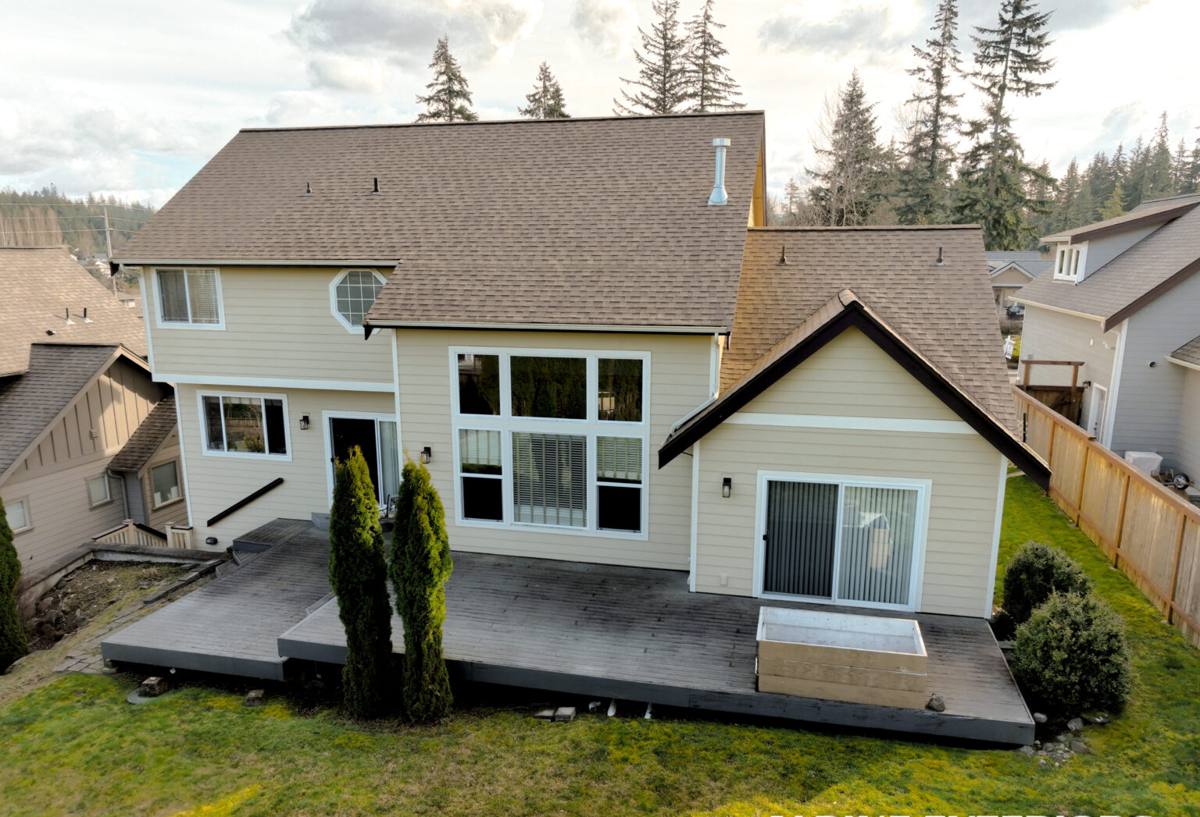
What the Nooksack Climate Does to Siding
Whatcom County's weather is shaped by its position between the Salish Sea and the Cascade foothills, and homes in and around Nooksack feel the effects of all three of the factors that drive siding failure here:
Driving Rain
This isn't gentle drizzle. Storms moving through the county regularly bring wind-driven rain that hits walls at an angle, not straight down. That matters because it forces water into every gap, seam, and fastener hole that isn't properly flashed and sealed. Siding that relies on caulk alone to keep water out — rather than a real drainage plane behind it — eventually lets moisture in, and once it's behind the siding, it doesn't dry out quickly in this climate.
A Long Moss Season
Moss and algae need moisture, shade, and time, and Nooksack's tree cover and overcast stretches give them plenty of both. Moss doesn't just look bad — it holds water against the siding surface, keeps panels damp longer after a storm, and can work into seams and butt joints over years. Siding with a soft or porous surface, or a finish that isn't engineered to resist mildew growth, will show green and black staining faster here than almost anywhere else in the state.
Salt Air's Reach
Nooksack is set back from Drayton Harbor and the Strait of Georgia, so it doesn't take the direct salt exposure that waterfront Blaine properties do. But airborne salt still travels inland on stronger weather systems, and combined with the region's humidity, it accelerates corrosion on fasteners, trim, and any metal flashing that isn't rated for coastal-adjacent conditions. It's a smaller factor here than driving rain and moss, but it's part of the reason material and fastener choice still matters even this far from the water.
What a Correct Siding Installation Actually Involves
Siding is a system, not a single product. The panel itself matters, but most siding failures in this climate trace back to what's happening behind it, not the panel material itself. A correct install includes:
- A continuous water-resistive barrier installed shingle-style so every layer sheds water down and out, never into the wall
- Properly flashed windows, doors, and any wall penetration — the single most common source of hidden rot when skipped or rushed
- A drainage gap or rainscreen strategy that lets any water that does get behind the siding actually escape and the wall cavity dry out
- Correct fastener type, spacing, and depth — over-driven or under-driven fasteners are a leading cause of premature panel failure
- Proper clearance at grade, decks, and roof lines so siding never sits in standing water or gets buried in soil or mulch
- Factory-finished panels with sealed cut edges, so field-cut ends are primed or sealed before they're ever exposed to weather
Skip any one of these and the siding may look fine for a year or two before problems start showing up as staining, soft spots, or paint failure — usually right around the time a rushed installer has moved on to the next job.
Why We Install Only James Hardie Fiber Cement
We don't install vinyl, LP SmartSide, Cemplank, Allura, or primed wood siding. That's a deliberate standard, not a limitation on what we're capable of installing. Here's the reasoning:
Vinyl siding relies on interlocking panels and expansion gaps that can loosen or warp under Whatcom County's temperature swings and wind-driven rain, and it offers no real fire resistance. Primed wood and spruce products need consistent repainting and are genuinely vulnerable to the rot and moss growth that this climate specializes in. Competing fiber cement brands may perform reasonably well, but we've standardized on one manufacturer so our crews install one system to one spec, every time, rather than switching techniques between products.
James Hardie fiber cement is engineered specifically for climates like this one. It's non-combustible, holds paint and factory-applied ColorPlus finishes far longer than primed alternatives, and Hardie's HZ5 product line is formulated for the moisture and freeze-thaw conditions of the Pacific Northwest. Combined with a transferable warranty backed by a manufacturer that's been refining this product for decades, it's the material we're willing to put our name behind on every home we side — including the homes we work on around Nooksack.
Our Installation Process
Every project follows the same sequence, whether it's a full re-side or a repair-and-replace job:
- On-site assessment — we inspect the existing siding, sheathing, and trim to identify hidden moisture damage before quoting the job, not after tear-off starts
- Tear-off and sheathing check — old siding comes off, and any soft or water-damaged sheathing is flagged and repaired before anything new goes up
- Water-resistive barrier and flashing — installed in the correct shingle-lap order at every window, door, and penetration
- Drainage plane installation — so the wall cavity can breathe and dry, rather than trap moisture against the back of the panel
- Hardie panel installation — installed to manufacturer fastening specs, with correct clearances at grade, roofline, and trim
- Final inspection and cleanup — seams, caulking, and trim details checked before we call the job done
We don't skip steps to save a day on the schedule. In this climate, the steps homeowners can't see behind the panel are the ones that determine whether siding lasts 10 years or 40.
Cost Factors for a Nooksack Siding Project
Every home is different, but the same handful of factors drive most of the cost variation we see on siding jobs in this area:
| Factor | Why It Affects Cost |
|---|---|
| Existing siding removal | Tear-off labor and disposal vary by material and number of layers already on the wall |
| Hidden moisture damage | Rotted sheathing or framing found during tear-off needs repair before new siding goes up |
| Home size and wall complexity | More corners, gables, and trim details mean more cutting, flashing, and labor time |
| Siding profile and trim package | Lap width, trim style, and accent details affect both material and installation time |
| Access and site conditions | Fencing, landscaping, second-story reach, and setback all affect scaffolding and staging |
We walk every one of these through with the homeowner during the estimate, so there's a clear picture of what's driving the number before any work starts.
Signs a Nooksack Home May Need New Siding
Because moisture damage often develops behind the siding before it's visible on the surface, it's worth knowing the early warning signs:
- Paint that's peeling, bubbling, or failing faster than it should, especially on north- and west-facing walls
- Soft or spongy spots when you press on the siding, particularly near the bottom courses or under windows
- Persistent moss or algae staining that returns quickly after cleaning
- Visible gaps, warping, or buckling panels
- Rising energy bills that suggest the wall assembly isn't performing the way it used to
- Cracked or crumbling caulk lines around windows, doors, and trim
Any one of these on its own isn't necessarily an emergency, but a combination of two or more is worth a professional look before the damage spreads further into the wall structure.
Why Hiring a Crew That Already Works in This Area Matters
Siding installation isn't identical from region to region. A crew used to installing in a dry climate will make different assumptions about flashing, drainage, and fastener spacing than one that installs siding week after week in a place that gets Whatcom County's rain totals. Working regularly in and around Nooksack and Blaine means knowing what actually fails on homes here — not in theory, but from having opened up enough walls to see it firsthand. That experience shows up in the details: where extra flashing gets added even though it's not strictly required, how much drainage gap gets left, and which corners never get cut no matter how tight the schedule is.
If you're weighing a siding installation for a home in the Nooksack area, we're happy to walk the property, look at what's there now, and give you a straight answer about what it needs. Reach out for a free, no-pressure estimate using the form below.