 Blaine Siding
 Why Birch Bay Homes Are Hard on Windows
Birch Bay sits right on the water, and that changes what a window has to survive. Homes here take a steady dose of salt-laden air off the bay, wind-driven rain that hits window assemblies at an angle instead of straight down, and a long stretch of wet, low-sun months every year that keep everything from siding to sashes damp for weeks at a time. Add in the moss and algae growth that thrives in that kind of persistent moisture, and you've got a climate that's genuinely tougher on windows than most manufacturers' warranty language assumes.
None of that means Birch Bay homes need exotic products. It means the window itself and the way it's installed both have to account for salt exposure, water intrusion, and near-constant humidity — not just insulation value on a spec sheet. That's the lens we use on every window job in this neighborhood.
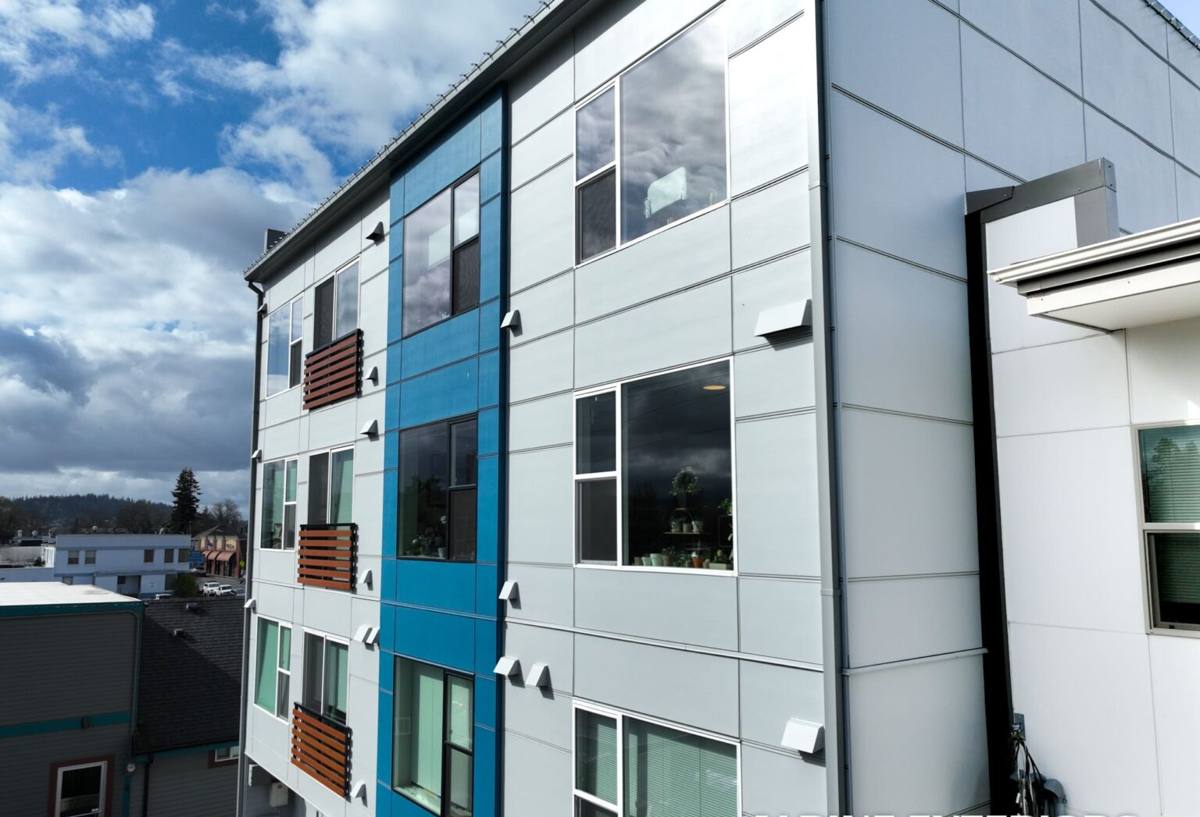
What "Energy-Efficient" Actually Means Here
Energy-efficient windows get marketed around a handful of numbers, but only a couple of them matter for a Whatcom County home.
U-Factor Is the One to Watch
U-factor measures how much heat escapes through the window — lower is better. In our climate, where the main cost is keeping heat in during long, mild-but-damp winters (not blocking summer sun), U-factor does more for your energy bill than any other rating. Look for windows rated for the Northern climate zone under the ENERGY STAR program, which sets a stricter U-factor threshold than the mid-range "North-Central" rating a lot of stock windows are sold under.
Solar Heat Gain Coefficient (SHGC) Matters Less, But Still Counts
SHGC measures how much solar heat passes through the glass. Along the coast, we get gray skies more often than not, so a very low SHGC (built for hot, sunny climates) can actually work against you by blocking free solar warmth on the clear days we do get. A moderate SHGC paired with a low U-factor is usually the better balance for Birch Bay.
Glazing and Gas Fill
Double-pane with an argon gas fill and a low-E coating is the practical baseline for this area. Triple-pane exists and does insulate slightly better, but it adds weight, cost, and thickness that isn't always worth it unless a home has unusual noise or exposure issues — we'll tell you honestly if your situation calls for it rather than upselling it by default.
Frame Material: The Decision That Matters Most Near the Water
Glass performance gets most of the attention, but frame material is what determines how a window holds up to salt air and moisture over 15-20 years. Here's how the common options compare for a Birch Bay setting.
| Frame Material | Salt Air / Corrosion Resistance | Maintenance Needs | Notes for This Area |
|---|---|---|---|
| Vinyl | Excellent — won't corrode or rust | Low; occasional cleaning | Most common choice for coastal Whatcom County homes; good value |
| Fiberglass | Excellent | Low | Handles temperature swings with less expansion/contraction than vinyl; higher upfront cost |
| Wood / Wood-clad | Vulnerable if seals or cladding fail | High — needs regular inspection and refinishing | Can work but demands more upkeep in a wet, salty climate; we're candid about that trade-off before you commit |
| Aluminum | Poor — prone to pitting and corrosion in salt air, conducts cold | Moderate | We generally steer homeowners away from bare aluminum frames this close to the bay |
Our default recommendation for most Birch Bay homes is vinyl or fiberglass, simply because they don't give salt air or moisture anything to work on. Wood-clad windows can still make sense on a home where the look matters and the owner is willing to keep up with maintenance — we'll walk through that trade-off honestly rather than push one product line.
Signs Your Current Windows Are Losing the Battle
A lot of homeowners assume window problems mean the glass is broken. Usually it's something else. Watch for:
- Fogging or moisture between panes — the seal has failed and the gas fill is gone
- Visible condensation on the inside of the glass during cold, damp mornings
- Drafts you can feel near the frame, even with the window latched shut
- Soft or discolored wood/trim around the window opening — a sign water has been getting behind the frame
- Frames that stick, don't latch flush, or have visibly warped
- Green or black growth building up in frame corners or tracks faster than you can keep up with cleaning
- A noticeable difference in room temperature near the window versus the rest of the house
Any one of these is worth a look. Several at once usually means it's cheaper to replace than keep patching.
What a Correct Installation Actually Involves
Most window failures we see aren't the window's fault — they're an installation problem. This is where having a crew that also works siding and building envelopes matters, because a window is only as good as its integration with the wall around it.
Removal Without Collateral Damage
Old windows have to come out without tearing up the surrounding siding, trim, or weather-resistive barrier (WRB) any more than necessary. Rushed removal is how small jobs turn into bigger repair bills.
Flashing and Water Management
This is the step that matters most in a driving-rain climate like ours. Flashing tape and pan flashing at the sill need to shed water outward and down, layered correctly with the WRB so that any water that gets past the exterior trim drains out instead of pooling behind the frame. Done wrong, this is exactly how rot starts — often invisibly, behind the siding, for years before it shows.
Sealing and Insulation
The gap between the window frame and the rough opening needs to be insulated and air-sealed properly — not just caulked on the outside. A well-insulated but poorly air-sealed window still leaks energy.
Reintegration With Siding and Trim
The final trim-out has to tie back into your siding cleanly, matching reveal lines and keeping water paths intact. This is where a siding-first crew has an advantage over an install crew that only does windows and treats the surrounding wall as someone else's problem.
Our Process for Birch Bay Window Jobs
- On-site assessment — we look at existing frame material, signs of water intrusion, and how exposed the elevation is to prevailing wind and rain off the bay
- Product recommendation — matched to your home's exposure, budget, and the U-factor/frame trade-offs above, explained plainly
- Careful removal — protecting siding, trim, and interior finishes
- Flashing and WRB integration — the step most likely to be shortcut elsewhere, and the one we won't skip
- Installation, insulation, and air-sealing — set plumb, level, and square, with attention to the rough opening gap
- Exterior trim-out — reintegrated cleanly with your existing or new siding
- Walkthrough — operation check on every window and a clear look at what was done
Why a Crew That Already Works Birch Bay Is Worth Choosing
Birch Bay isn't a generic Whatcom County neighborhood — it has its own mix of older beach cottages, converted vacation homes, and newer builds, many sitting closer to salt spray and wind exposure than homes even a few miles inland in Blaine proper. A crew that regularly works this specific stretch of coastline already knows which elevations take the worst weather, which older housing stock tends to have aluminum-frame or single-pane originals nearing the end of their life, and how to sequence a window job around the wetter months instead of fighting them.
That local familiarity also means fewer surprises mid-job — we're not guessing at how local permitting or inspection expectations work, and we're not learning on your house how salt air behaves on a fresh installation.
Maintenance That Actually Matters in This Climate
Even a correctly installed, well-built window needs a little upkeep in a salt-air, moss-prone environment:
- Rinse salt residue off frames and glass periodically, especially on bay-facing elevations
- Keep weep holes at the base of the frame clear so water can drain instead of pooling
- Check exterior caulking annually for cracking or gaps, particularly after a hard winter
- Clear moss or algae buildup from frame corners and tracks before it holds moisture against the seal
- Operate hardware (locks, cranks) a few times a season so they don't seize from disuse and humidity
None of this is heavy maintenance — it's the same kind of seasonal attention any coastal Whatcom County home benefits from, and it goes a long way toward getting the full lifespan out of a new window.
Get a Straight Answer for Your Home
If you're not sure whether your current windows are worth repairing, replacing, or just monitoring for another season, we're happy to take a look. We'll give you an honest read on what your home actually needs — no pressure, no upsell — and a free estimate for the work if you decide to move forward. The form below gets you started.