 Blaine Siding
 Why Sandy Point Windows Wear Out Faster Than Inland Homes
Sandy Point sits right on the water along Semiahmoo Bay, and that location is exactly what makes window installation here different from a job in downtown Blaine or further inland in Whatcom County. Homes on this stretch take a steady diet of salt-laden air, wind-driven rain that hits window walls almost horizontally during winter storms, and long stretches of damp, low-sun weather that never really lets building materials dry out completely. None of that is unusual for the Pacific Northwest coast, but it adds up faster here than in more sheltered parts of the county.
Salt air is corrosive to metal hardware — hinges, locks, balance mechanisms, and screws — well before most homeowners notice a problem with the glass itself. Driving rain finds any gap in flashing or sealant and pushes water sideways and even slightly upward under enough wind pressure, which is why window leaks at Sandy Point properties often show up as staining below the window or inside a wall cavity rather than as an obvious drip during the storm. And the long moss and algae season that blankets the region keeps exterior trim, sills, and cladding damp for extended periods, which shortens the life of caulk, paint, and unprotected wood.
None of this means windows can't last a long time at Sandy Point — it means the installation has to account for these conditions from day one, not patch around them later.
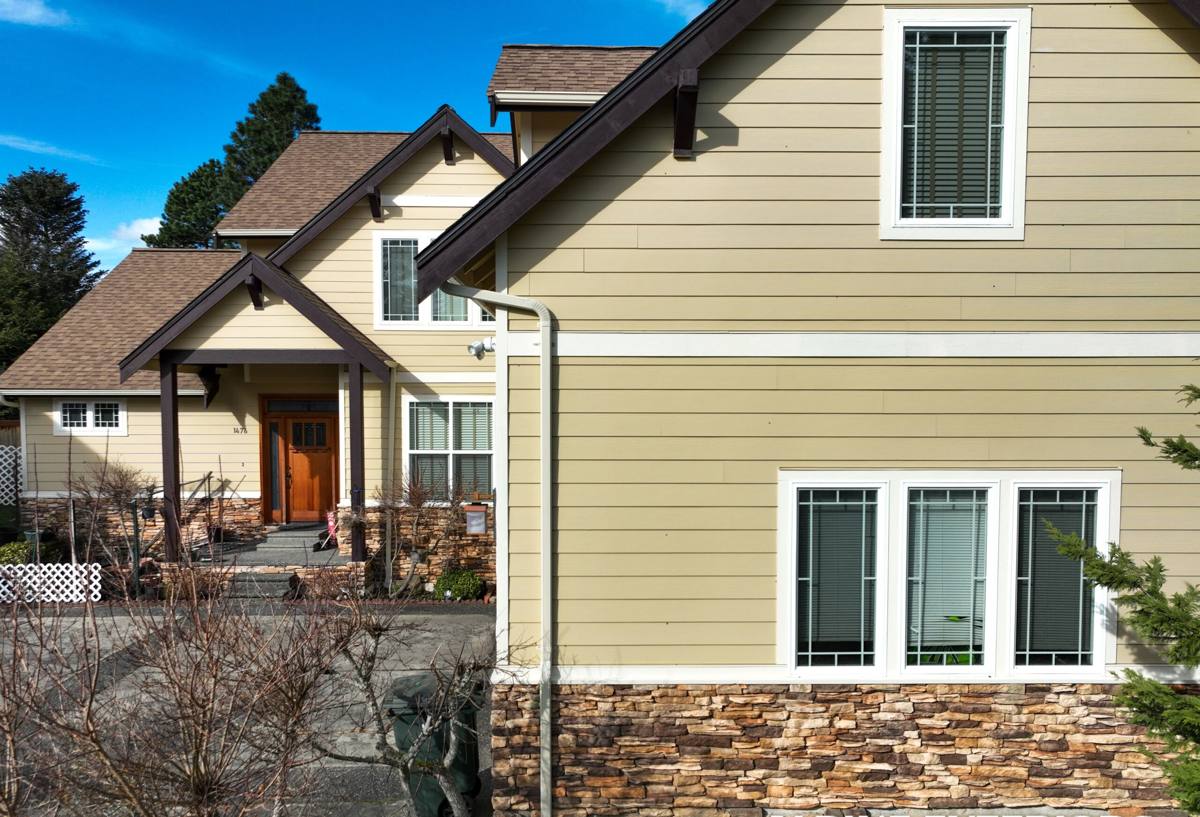
What a Correct Window Installation Actually Involves
A window installation is more than setting a new unit into an old opening and running a bead of caulk around the trim. In a coastal exposure like Sandy Point, the parts you can't see after the job is done matter more than the parts you can.
Flashing and Water Management
Every window opening needs a flashing sequence that sheds water downward and outward, layered so that each piece overlaps the one below it — sill pan first, then jamb flashing, then head flashing integrated with the weather-resistive barrier above the window. Skipping or shortcutting this step is the single most common cause of hidden rot we find when we pull old windows on the water side of a house.
Air and Moisture Barrier Integration
The window has to tie into the house's existing weather-resistive barrier (housewrap or building paper), not just sit inside it. Where that barrier is old, torn, or missing around the opening, we address it as part of the job rather than installing a new window into a compromised opening and calling it done.
Sealant Selection and Placement
Sealant is a backup to good flashing, not a substitute for it. We use exterior-grade sealants rated for the movement and moisture exposure of a marine environment, and we leave the manufacturer-specified weep paths and drainage gaps open — sealing those shut traps water inside the frame instead of letting it drain out, which is a mistake we see from time to time on prior installs in the area.
Corrosion-Resistant Fasteners and Hardware
Standard fasteners can start showing rust streaks within a few seasons this close to salt water. We use fasteners and hardware rated for coastal or marine exposure so the window's operating parts hold up as long as the frame does.
Choosing the Right Window for a Salt-Air Exposure
There's no single "best" window material for every home — it depends on your budget, how exposed the specific elevation is, and how the rest of your home is finished. Here's how the common options actually perform in a Sandy Point-type exposure, based on our experience installing and servicing them:
| Frame Material | Coastal Performance | Trade-Offs |
|---|---|---|
| Vinyl | Good moisture and corrosion resistance; won't rust | Can expand/contract more with temperature swings; quality varies widely by manufacturer |
| Fiberglass | Very stable in wet, salty air; low expansion/contraction | Higher upfront cost than vinyl |
| Aluminum-clad wood | Attractive, durable exterior face if properly finished | Any breach in the cladding exposes wood to moisture; needs vigilant sealant maintenance |
| Bare wood | Classic look, repairable | Highest maintenance burden in a wet, salty exposure — we generally steer clients away from bare wood on water-facing elevations for this reason |
Hardware finish matters as much as frame material. We recommend stainless steel or coated hardware rated for coastal exposure over standard-grade hardware, even if it costs a bit more up front — replacing corroded locks and balances on a five-year-old window costs more in the long run than paying for the right hardware once.
Signs Your Current Windows Are Failing
Sandy Point homeowners often call us after noticing one of these signs, and it's worth checking for them even if nothing looks obviously wrong yet:
- Fogging or condensation between panes on double- or triple-glazed units — this means the seal has failed and the insulating gas has escaped
- Soft or discolored trim or drywall below or beside a window
- Drafts you can feel with a hand held near the frame on a windy day
- Hardware that's stiff, corroded, or won't latch fully
- Visible gaps between the window frame and the siding or trim
- Paint or caulk failure around the frame that keeps returning within a year or two of touch-up
Any one of these can be a minor fix. Several at once, especially on a water-facing wall, usually means the original installation or flashing has failed and it's time to look at replacement rather than another round of caulk.
Our Process for Sandy Point Jobs
We start every Sandy Point estimate the same way: an honest look at the specific exposure of each elevation, since a window on the water side of a house faces a different reality than one tucked on a sheltered wall. From there:
- On-site assessment — we check existing flashing, sill condition, and any signs of hidden moisture before quoting the job, not after we've already started
- Product selection — we walk through frame material and glazing options suited to the exposure and your budget, without steering you toward whatever happens to be easiest for us to install
- Written estimate — scope, materials, and price in writing before any work begins
- Removal and opening prep — old units come out carefully so we can inspect and repair the framing and weather barrier underneath, not just cover up what's there
- Installation — correct flashing sequence, barrier integration, and sealant placement as described above
- Final check — operation, weatherstripping, and a walkthrough with you before we consider the job finished
We schedule around the weather when we can. Wind-driven rain off the bay isn't a good environment for an open window opening, so we watch the forecast and time exterior work for reasonable windows when possible.
What Affects the Cost of a Window Installation Here
| Factor | Why It Matters at Sandy Point |
|---|---|
| Number and size of openings | More straightforward pricing driver — larger or more windows means more material and labor |
| Frame material chosen | Fiberglass and higher-grade vinyl cost more upfront but hold up better to salt exposure |
| Condition of existing framing | Water-facing walls with hidden rot need repair before a new window goes in, which adds cost but prevents repeat failures |
| Access and elevation | Second-story or hard-to-reach windows on waterfront homes can require staging or lift equipment |
| Hardware and glazing upgrades | Corrosion-resistant hardware and impact- or storm-rated glazing add cost but reduce long-term maintenance |
We don't publish blanket per-window prices because the honest answer depends on your specific openings and their condition — but we'll give you a clear, itemized number before any work starts, and we'll explain what's driving it.
Maintenance That Extends Window Life on the Water
Even a well-installed window needs a bit of upkeep in this environment. A short annual routine goes a long way:
- Rinse frames and glass with fresh water periodically to clear salt residue, especially after storms
- Inspect exterior caulk lines each fall before the wet season sets in and touch up any cracking
- Lubricate locks and moving hardware with a product rated for marine or coastal use
- Clear debris, moss, and organic buildup from sills and tracks so water can drain instead of pooling
- Check weep holes to make sure they're open and not painted or caulked shut
Why a Local, Sandy Point-Familiar Crew Matters
Window installation isn't a one-size-fits-all trade, and a crew that's worked this specific stretch of Whatcom County shoreline knows things a general contractor from further inland might not think to check — how exposed a given elevation really is once you account for prevailing wind, how the existing flashing details on homes of a certain age in this area tend to be built, and what corrosion actually looks like after a few seasons of salt air versus a normal inland install. That familiarity shows up in fewer surprises during the job and fewer callbacks after it.
We're a Blaine-based crew, and Sandy Point is part of our regular service area — not a special trip. That means straightforward scheduling, a crew that shows up knowing the general conditions they're working with, and a company you can reach easily if a question comes up after the job is done.
Get a Straightforward Estimate
If you're dealing with drafty, foggy, or hard-to-operate windows at your Sandy Point property, or you're planning ahead for a wet-season replacement, we're happy to take a look and give you a clear, no-pressure estimate. Fill out the form below and we'll follow up to schedule a visit.