 Blaine Siding
 Sumas Homes Take a Beating From This Climate
Sumas sits in a corner of Whatcom County where the weather does not do anything by halves. Rain moves in off the Pacific and pools against the foothills, marine air pushes inland and keeps everything from rooflines to fence posts damp for days at a time, and shaded north walls can stay wet enough, long enough, to grow moss for most of the year. None of that is a problem for a wall by itself. It becomes a problem when the siding covering that wall cannot handle sustained moisture, and starts absorbing, swelling, or rotting instead of shedding water the way it's supposed to.
Homeowners in Sumas usually don't call us because their siding looks a little tired. They call because they've noticed something specific — a soft spot under a window, paint that won't hold anymore, a corner board that's darker than the rest — and they want to know if it's serious. Often it is, and often the root cause traces back to a siding material that was never really matched to this climate in the first place.
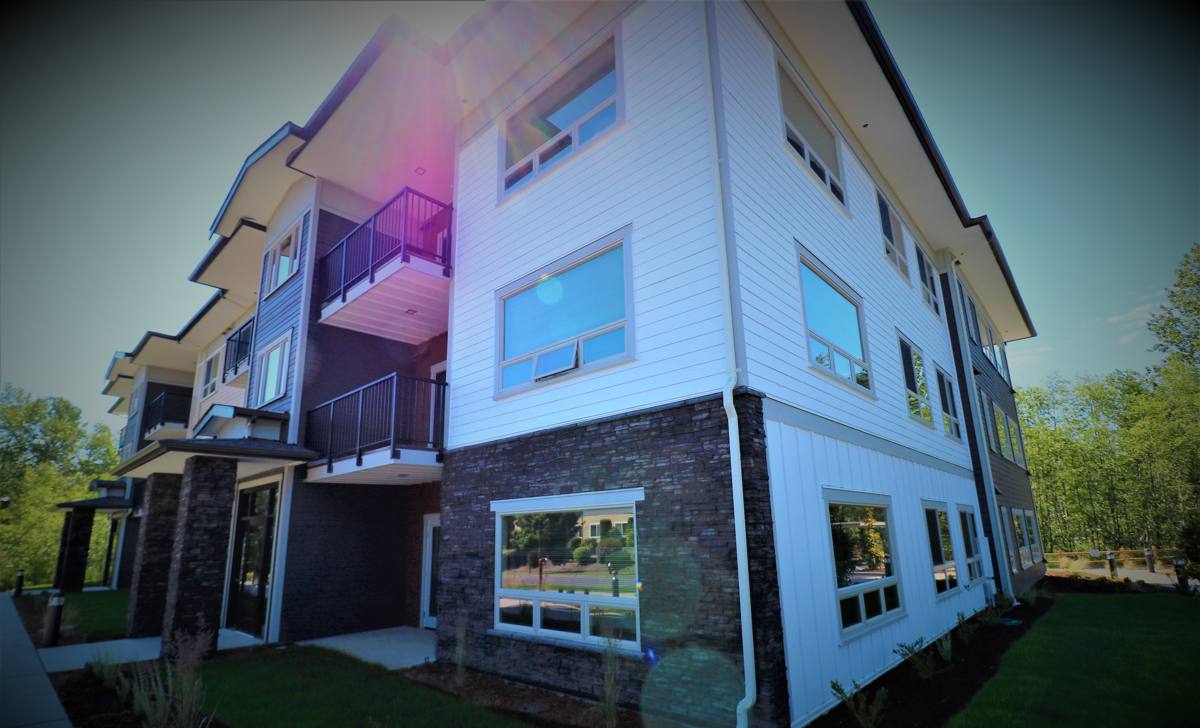
Signs Sumas Homes Show Before Siding Fails Completely
Siding failure rarely happens all at once. It shows up gradually, and catching it early is the difference between a straightforward replacement and a job that also has to deal with rotted sheathing underneath.
- Paint that peels, bubbles, or needs repainting every 3-4 years instead of holding for a decade
- Soft or spongy panels when pressed, especially near the bottom courses and around window trim
- Persistent moss or algae staining on north- and west-facing walls that pressure washing only knocks back temporarily
- Visible warping, cupping, or buckling in horizontal lap siding
- Gaps opening up at seams, corners, or where siding meets trim
- A musty smell in rooms along an exterior wall, which can point to moisture already inside the wall cavity
If you're seeing two or more of these on the same wall, it's worth having someone look at what's happening behind the siding, not just the surface.
Why We Only Install James Hardie Fiber Cement
We don't install vinyl, LP SmartSide, primed wood, cedar, or off-brand fiber cement products. That's a deliberate standard, not a lack of options, and it comes directly from what we see when we tear old siding off homes in this climate.
Vinyl expands and contracts with temperature swings and can warp or crack in a hard freeze, which Whatcom County still gets most winters. Engineered wood products like LP SmartSide use wood strand cores that are vulnerable at cut edges and fastener penetrations — if water gets in and isn't caught quickly, the core can swell and won't fully return to shape. Cedar and primed wood look great on day one but demand a maintenance schedule most homeowners don't have time for: recoating, caulking, and constant inspection for the rot that comes with sustained damp exposure.
James Hardie fiber cement is cement, sand, and cellulose fiber. It doesn't absorb water the way wood-based products do, it doesn't warp with humidity, and it's non-combustible, which matters more every wildfire season. Hardie also builds region-specific product lines engineered for different climate demands, which lets us match the product to what Sumas actually deals with rather than installing a one-size-fits-all panel.
Where Hardie Actually Holds Up Better Here
| Concern in Sumas Homes | Vinyl / Engineered Wood | James Hardie Fiber Cement |
|---|---|---|
| Sustained rain and damp shade | Wood-core products can swell at cut edges and fasteners | Fiber cement resists moisture absorption at the core |
| Moss and algae growth | Textured or wood-grain vinyl traps organic buildup in grooves | Smooth ColorPlus finish sheds growth and cleans easily |
| Winter temperature swings | Vinyl can become brittle and crack in a hard freeze | Dimensionally stable across the temperature range |
| Long-term paint/finish life | Field-applied paint typically needs recoating every few years | Factory ColorPlus finish is warrantied against fading and peeling |
| Fire exposure | Combustible (wood core) or heat-sensitive (vinyl) | Non-combustible material |
What a Correct Siding Replacement Actually Involves
The siding itself is only part of the job. Most of what determines whether a siding replacement lasts 30+ years or fails again in 8 happens in steps most homeowners never see.
Tear-Off and Inspection
Once the old siding is off, we look at the sheathing underneath — this is where a moisture-prone climate like this one leaves its real evidence. Soft, delaminating, or stained sheathing gets replaced before anything new goes up. Installing new siding over compromised sheathing just hides a problem that will come back.
Weather-Resistive Barrier and Flashing
A correctly installed water-resistive barrier, properly lapped and taped, plus correctly flashed windows, doors, and any roof-to-wall intersections, is what actually keeps water out of the wall assembly. Hardie siding is only as good as the drainage plane behind it — this step matters as much as the siding itself, and it's the step that gets rushed on low-bid jobs.
Rainscreen or Drainage Gap
Especially on shaded, moisture-prone walls, a small ventilated gap behind the siding lets any water that does get past the surface drain and dry out instead of sitting against the back of the panel. This is one of the details that separates an installation built for a wet climate from a generic one.
Installation to Manufacturer Spec
Correct fastener spacing, proper clearance from grade, decks, and roof lines, and factory-specified caulking and gaps are what Hardie's warranty is actually built on. Installed off-spec, even the best siding product will underperform — and the warranty may not apply.
Our Process for a Sumas Siding Replacement
- On-site assessment — we walk the exterior, check for moisture damage, and look at how sun and shade patterns affect each wall
- Written estimate — clear scope, product line, and pricing, with no pressure to decide on the spot
- Product selection — matching the right Hardie line and profile to the home and its exposure
- Tear-off and sheathing repair — replacing anything compromised before new material goes up
- Barrier, flashing, and drainage detailing — the unseen work that determines long-term performance
- Installation to spec — fastening, clearances, and joints done to manufacturer requirements
- Final walkthrough — reviewing the finished work with the homeowner before we consider the job done
What Drives the Cost of Siding Replacement
Every home is different, but the same handful of factors move the price up or down on most Sumas projects.
| Factor | Why It Matters |
|---|---|
| Sheathing condition | Rotted or delaminated sheathing found during tear-off adds repair scope |
| Home size and wall complexity | More corners, dormers, and trim detail means more labor and cut material |
| Siding profile and finish | Lap width, texture, and ColorPlus color selection affect material cost |
| Existing siding type | Removal of certain materials takes more time and disposal effort than others |
| Access and site conditions | Slopes, tight setbacks, and landscaping can affect staging and labor time |
We don't publish a flat price per square foot because these variables change too much from house to house — an honest number only comes from actually seeing the home.
Why It Matters to Hire a Crew That Already Works in Sumas
A siding crew that mostly works in drier climates can install a technically correct job on paper and still miss the details that matter here — drainage planes, flashing details around the moisture patterns specific to shaded, rain-heavy walls, and product selection suited to sustained dampness rather than occasional showers. A crew that regularly works Whatcom County homes has already seen what happens when those details are skipped, because we're often the ones tearing that work out and replacing it.
We're also familiar with the practical side of working in and around Sumas — permitting expectations, typical lot conditions, and the kind of scheduling that accounts for the area's rain patterns instead of fighting them.
Simple Ways to Protect New Siding Once It's Installed
- Keep gutters clean so water doesn't overflow and run down the siding face
- Trim back vegetation and tree limbs that keep walls shaded and damp
- Rinse moss- or algae-prone north and west walls periodically rather than letting buildup set in
- Keep an eye on caulking at trim, window, and door intersections and have it touched up if it cracks
- Address sprinkler heads or downspouts that spray directly onto siding
None of this is high-maintenance — it's the kind of basic upkeep that lets correctly installed Hardie siding go the distance in a climate like this one.
If your Sumas home is showing any of the warning signs above, or you're just ready to stop patching and repainting, we're happy to come take a look. Estimates are free, there's no pressure to commit on the spot, and you'll get a straight answer about what your siding actually needs.