 Blaine Siding
 Building New in Lynden Means Getting the Window Install Right the First Time
When a home is going up from the ground in Lynden, the windows aren't a retrofit problem you can fix later without tearing into finished walls — they're part of the structure itself. New-construction window installation happens during framing, before siding or exterior finish goes on, and it sets the water-management path for the entire building envelope. Get it right at this stage and the house stays dry for decades. Get it wrong and you're chasing leaks behind the siding five or ten years down the road, usually after the damage is already done.
We install new-construction windows on framing crews and with builders working the Lynden area regularly, alongside our core service territory around Blaine. It's a different job than swapping out an old window in an existing wall, and it calls for a different set of habits.
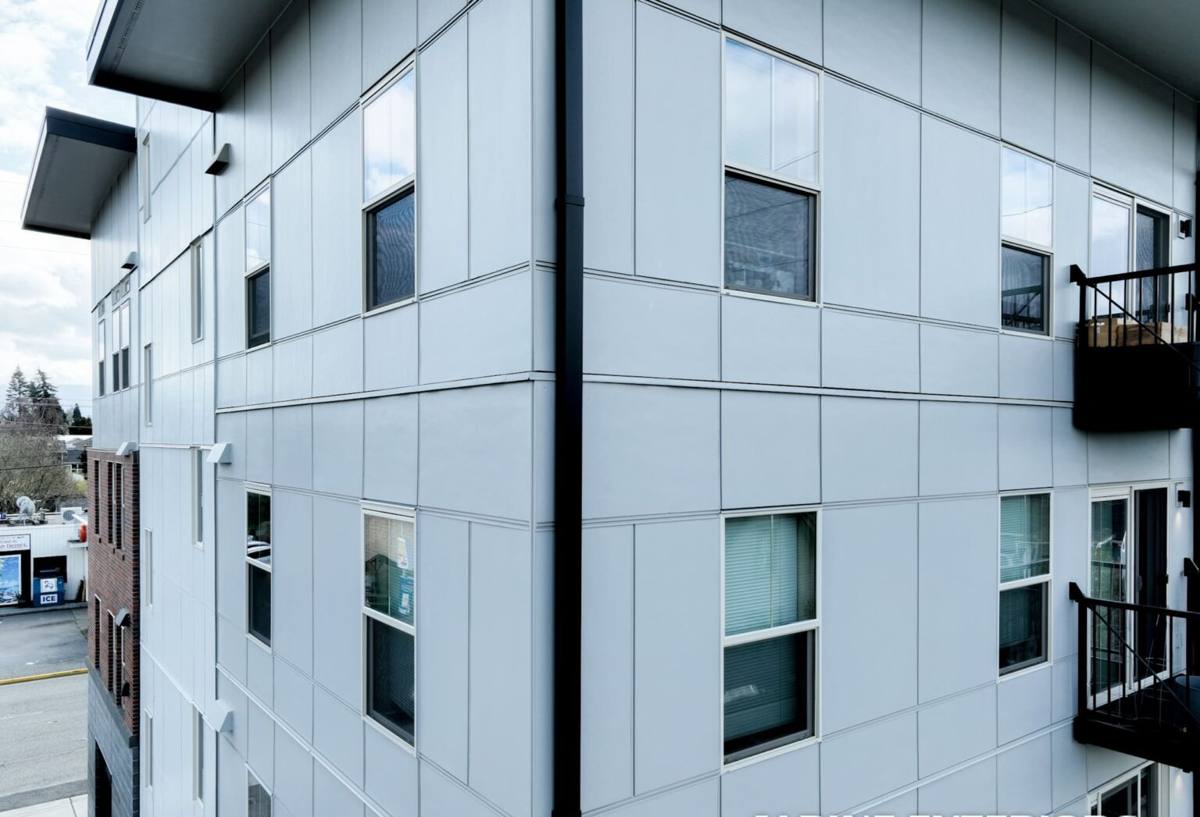
What "New-Construction" Windows Actually Are
New-construction windows — sometimes called flanged or nail-fin windows — have a flange around the perimeter of the frame that gets fastened directly to the wall sheathing before the weather-resistive barrier and siding go on. That flange is what ties the window into the rest of the wall's drainage plane. It's a fundamentally different install method than a pocket or "insert" replacement window, which gets set into an existing frame opening after the fact and relies on the old frame and trim for weatherproofing.
Because the flange gets integrated with the house wrap, flashing tape, and siding in a specific sequence, new-construction installation gives you the most reliable, longest-lasting seal against water intrusion — but only if every layer of that sequence is done correctly and in the right order. Skip a step or flash it out of sequence, and the window looks fine for years while water works its way in behind it.
What Whatcom County Weather Demands From a New Window Install
Lynden sits inland from the coast, but it's still squarely in Whatcom County's wet, wind-driven weather pattern — the same Pacific storms that bring salt-tinged air and driving rain off the Strait of Georgia reach well past Blaine and into the valley. Winters here mean long stretches of saturated ground, sideways rain during wind events, and a moss season that can run most of the year on north-facing and shaded walls. New construction gives you a one-time chance to build a wall assembly that handles all of that from day one.
Three things matter most for this region:
- Drainage, not just sealing. Caulk and sealant fail eventually. A properly lapped, shingle-style flashing detail keeps water moving down and out even after sealant ages.
- Wind-driven rain resistance. Storms here don't just drop rain straight down — wind pushes it sideways and up under trim and flanges. Fasteners, flange coverage, and tape adhesion all need to account for that.
- Moisture-tolerant materials at the sill. Sills sit at the bottom of the drainage path and take the most standing moisture over time. This is where cutting corners shows up first.
Moss and Organic Growth Around Openings
Constant dampness in this climate feeds moss and algae on shaded siding and window trim. It's mostly cosmetic, but moss holds moisture against surfaces longer than bare wood or fiber cement would sit wet on its own, which is one more reason the flashing and drainage details behind the trim need to be right — cosmetic growth on the surface shouldn't be masking a moisture problem underneath.
Flashing and Water Management: The Part That Actually Prevents Leaks
Most window leaks in new construction don't come from a bad window — they come from a flashing sequence that was rushed or done out of order. The correct sequence, from the bottom up, generally looks like this:
- Sill pan flashing set first, sloped slightly to drain outward, so any water that gets past the window has somewhere to go.
- Weather-resistive barrier (house wrap) cut and prepped around the rough opening with the bottom flap left free.
- Window set into the opening, plumb, level, and square, fastened through the nailing flange per the manufacturer's schedule.
- Side and head flashing tape applied in shingle fashion — sides first, then head — so every layer overlaps the one below it, never the reverse.
- House wrap flap folded down over the head flashing to complete the lap.
- Rough opening checked for square and proper shim/gap clearance before insulation and interior trim.
Any layer applied out of order creates a spot where water gets directed inward instead of outward. This is the single biggest factor in whether a new-construction window performs for thirty years or leaks in five, and it has nothing to do with the window brand.
Choosing Frame Material and Glass for a Lynden Build
Frame material and glass package matter for comfort and energy cost, but for new construction specifically, moisture behavior and installation tolerance matter just as much. Here's how the common options compare for this climate:
| Frame Material | Moisture Behavior | Maintenance | Typical Cost Position |
|---|---|---|---|
| Vinyl | Doesn't rot or corrode; performs well in wet climates | Low — occasional cleaning | Most economical |
| Fiberglass | Very stable, minimal expansion/contraction, excellent moisture resistance | Low | Mid to upper |
| Wood/wood-clad | Needs a fully intact exterior clad or finish to avoid moisture damage over time | Higher — finish upkeep on wood-frame interiors | Upper |
| Aluminum | Corrosion-resistant but conducts heat/cold, prone to condensation without thermal breaks | Low | Varies by grade |
For a new build in this climate, we generally steer homeowners toward vinyl or fiberglass frames because they hold up to sustained damp conditions with the least long-term maintenance. Wood-clad windows can look great and perform well too, as long as the clad exterior is fully intact — any breach in that cladding in a climate this wet becomes a maintenance issue faster than it would somewhere drier.
Glass Package
Double-pane, low-E glass with argon fill is the practical standard for new construction in this region — it balances energy performance with cost. For west- and south-facing openings that get more direct sun and temperature swing, a low-E coating tuned for solar heat gain control is worth discussing; for north-facing walls that stay shaded and damp most of the year, standard low-E is usually sufficient.
Our New-Construction Window Process
On a Lynden-area new build, our process typically runs like this:
- Plan review and rough-opening verification. We confirm window sizes and rough opening dimensions against the plan set before framing locks in, so there's no scramble later.
- Sill pan and flashing prep. Sill pans go in before the window does, sloped to drain.
- Window set and fastening. Windows are set plumb, level, square, and fastened per manufacturer spec — not just "close enough."
- Shingle-lap flashing. Tape and house wrap integration follow the correct bottom-to-top sequence every time.
- Walkthrough with the framer or builder. We confirm openings are ready for siding before that trade starts, so nobody covers up a flashing detail that needs a second look.
We coordinate directly with framing and siding crews so the sequencing stays intact — window flashing that's correct on its own but gets contradicted by how the siding or house wrap ties in around it defeats the purpose.
Why a Local Crew That Works Lynden Matters
New-construction window installation is sequence-dependent work that has to mesh with whatever framing and siding crew is also on site. A crew that regularly works Whatcom County builds already knows the county's inspection expectations, has a working relationship with local framers, and has seen how this specific climate treats an install over years, not just at final walkthrough. That familiarity shortens the back-and-forth on scheduling and reduces the chance of a flashing detail getting covered up before it's checked.
We also know this region's weather isn't gentle on shortcuts. A flashing detail that would pass in a drier climate can fail here within a few wet seasons. Working locally means we're not guessing at what holds up — we see the results on homes across Blaine and the surrounding area year after year.
Pre-Drywall Checklist for Lynden New Builds
Whether we're doing the install or you're vetting another crew, these are the things worth confirming before drywall closes up the wall:
- Sill pan flashing installed and sloped to drain outward, not flat or reverse-sloped
- Flashing tape applied bottom-to-top in proper shingle-lap order (sides before head)
- Window set plumb, level, and square — not just visually straight
- Fasteners installed per manufacturer's schedule, not just "enough to hold it"
- Shim space and perimeter gap properly insulated, not packed solid (which can bow the frame)
- House wrap integrated over the head flashing, completing the water-shedding lap
- Rough opening photos taken before siding covers the details, for your own records
Common Mistakes We See and Avoid
The most frequent issues we run into on new-construction jobs — whether inspecting other crews' work or catching them on our own sites before they become permanent — come down to a short list: flashing applied out of sequence, sealant used as a substitute for proper flashing rather than a backup to it, sill pans skipped entirely, and windows fastened before the opening was checked for square. None of these are visible once siding goes on, which is exactly why doing them right the first time matters more here than almost anywhere else in the build.
If you're planning a new build or framing phase in Lynden and want windows installed the way this climate actually requires, we're glad to walk the plans with you and put together a straightforward, no-pressure estimate — just fill out the form below.