 Blaine Siding
 Roof Repair for Grandview Homes
Grandview sits close enough to the water that its roofs take a different kind of beating than homes further inland. Between the salt air rolling off the strait, driving rain that comes in sideways during winter storms, and a moss season that can run eight months out of the year, roofs in this part of Blaine wear out on a different schedule than the manufacturer's warranty assumes. We repair roofs in Grandview regularly, and the patterns we see here are consistent enough that we can usually tell what's going on before we're even off the ladder.
This page covers what roof repair actually looks like for this specific area — the damage we find, how we diagnose it, what a proper repair involves, and what to expect if you call us.
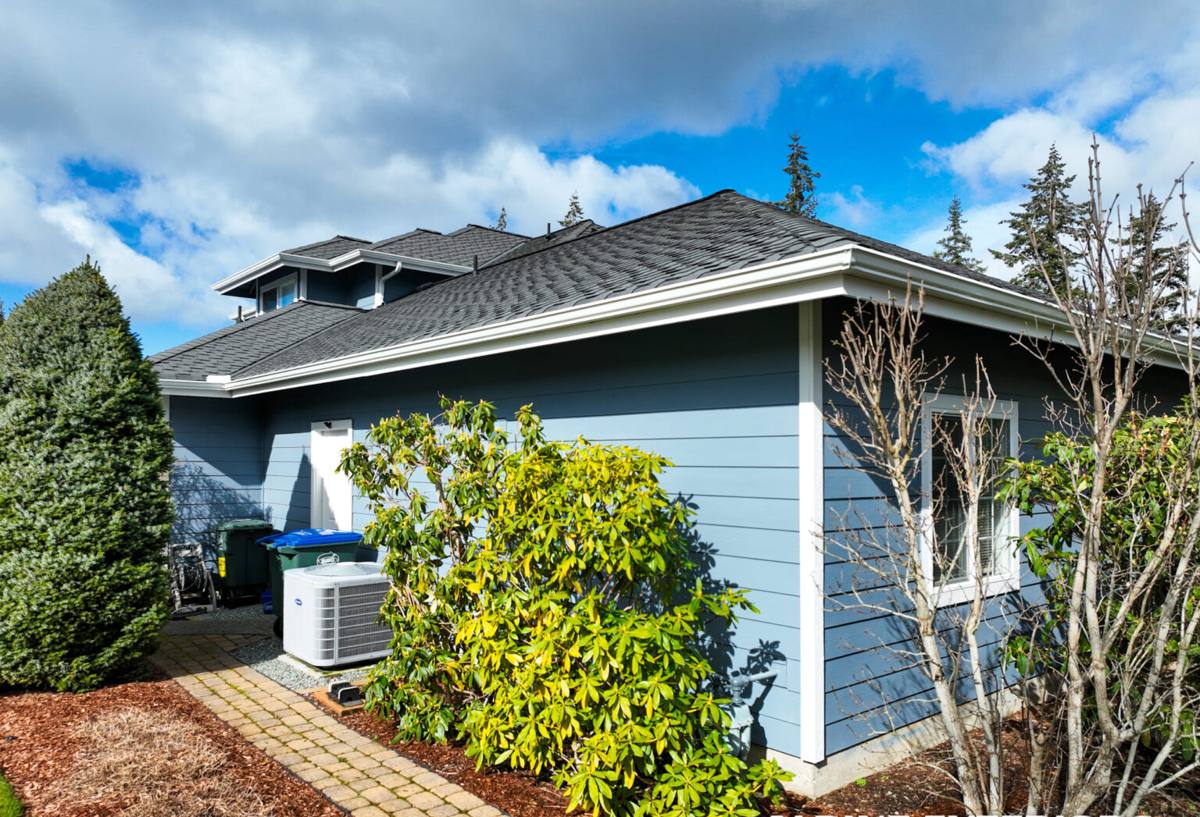
What Blaine's Climate Does to a Roof
Roof damage isn't random. In Grandview, it tends to follow the same few causes over and over:
Salt Air and Metal Fasteners
Homes within a few miles of the water deal with airborne salt that accelerates corrosion on exposed metal — roofing nails, flashing edges, vent caps, and screws on any metal roofing components. Corroded fasteners back out slightly over time, which is a common source of small leaks that show up years after installation with no obvious cause.
Driving Rain and Wind-Driven Water
Whatcom County storms often bring rain that isn't falling straight down — it's being pushed sideways by wind off the water. That matters because a roof can shed vertical rain just fine while still leaking under wind-driven conditions, because water is being forced up and under shingle edges, around flashing laps, and into any gap that a calm-weather rain would never find.
Moss and Prolonged Moisture
The long wet season here keeps roof surfaces damp for extended stretches, which is exactly what moss needs to take hold. Moss doesn't just sit on top of the roof — its rhizoids work into the granule surface of shingles and lift edges, and thick moss mats hold water against the roof deck long after a rain has passed. Left alone, moss growth shortens the life of a roof by years, not months.
Tree Cover and Debris
Areas with mature trees see more needle and leaf buildup in valleys and behind chimneys. Trapped debris holds moisture the same way moss does, and it's a common cause of localized rot in valley flashing that otherwise looks fine from the ground.
Signs a Grandview Roof Needs Repair
Most roof problems give some warning before they turn into an active leak. Homeowners in this area should watch for:
- Dark streaking or green/black growth on north-facing slopes or shaded sections
- Granules collecting in gutters or at the base of downspouts
- Curling, cupping, or lifted shingle edges, especially on slopes that catch prevailing wind
- Rust staining around vent pipes, chimneys, or metal flashing
- Soft or spongy spots underfoot in the attic, or daylight visible through the roof deck
- Water stains on interior ceilings that appear only during or after wind-driven rain
- Sagging in valleys or along the ridge line
- Missing, cracked, or displaced shingles after a windstorm
Any one of these on its own isn't necessarily an emergency, but ignoring several at once usually means the next heavy rain finds its way in.
How We Diagnose the Problem
A roof repair is only as good as the diagnosis behind it. Water rarely leaks in a straight line — it can travel along rafters or sheathing for several feet before it shows up as a ceiling stain, which is why chasing the visible symptom instead of the actual entry point is the most common way roof repairs fail to hold.
Our process on a repair call:
- Inspect the roof surface from the ground and, where safe, up close — looking at shingle condition, flashing, moss coverage, and fastener condition
- Check all penetrations: chimneys, vent pipes, skylights, and any place where two roof planes meet
- Trace interior water stains back toward their likely source, accounting for how water moves along framing
- Check attic ventilation and insulation for signs of trapped moisture or condensation, which can mimic a roof leak
- Identify whether the issue is isolated or a symptom of broader wear that a patch won't solve long-term
We tell you what we find in plain terms, including if a repair is the right call versus if the roof is old enough that a repair would just be a temporary fix ahead of a bigger expense.
What a Proper Repair Involves
Roof repair covers a range of work, and the right approach depends on what's actually failing:
Flashing Repair or Replacement
Flashing around chimneys, skylights, valleys, and wall intersections is where most leaks originate, not the shingle field itself. Corroded, improperly lapped, or dried-out sealant at these points needs to be corrected properly — with new flashing and correct shingle integration, not just a bead of caulk over the gap.
Shingle Replacement
Damaged, missing, or wind-lifted shingles get replaced with matching material, tied into the surrounding roof so the repair sheds water the way the rest of the roof does. Matching color and profile matters both for appearance and so the repaired section performs the same as its neighbors.
Moss Removal and Treatment
Where moss has caused damage, we remove it using methods that don't tear up the granule surface, treat the area to slow regrowth, and address any underlying moisture damage to the deck if it's gone that far.
Deck and Sheathing Repair
If water has been getting in long enough to soften the roof deck, that section needs to be cut out and replaced before new roofing goes back down. Patching over soft decking doesn't fix anything — it just hides the problem until it fails again.
Ventilation Correction
Sometimes what looks like a leak is actually condensation from poor attic airflow. Part of a thorough repair is making sure the attic is ventilating correctly so the same problem doesn't reappear in a different spot.
Repair vs. Replacement: How to Think About It
| Factor | Points Toward Repair | Points Toward Replacement |
|---|---|---|
| Roof age | Under 15 years, asphalt shingle | Approaching or past 20-25 years |
| Damage extent | Isolated to one area or component | Widespread across multiple slopes |
| Moss/algae condition | Surface growth, caught early | Heavy moss with granule loss underneath |
| Deck condition | Solid, no soft spots | Soft decking or visible rot found |
| Leak history | First occurrence, clear single cause | Recurring leaks in different spots |
| Shingle condition elsewhere | Rest of roof still flat and granulated | Widespread curling or granule loss |
We'll always tell you honestly which side of this table your roof falls on. A repair that's likely to need a follow-up repair in a year isn't a good use of your money, and we'll say so.
Why Local Experience with Grandview Roofs Matters
A crew that mainly works drier inland climates can misjudge a Whatcom County roof — treating moss as cosmetic when it's already undermined the shingle layer, or missing that wind-driven rain from the water side needs a different repair approach than a straightforward vertical-rain leak. Working in Blaine and the surrounding communities regularly means we're seeing the same salt exposure, the same storm patterns, and the same moss cycle on a lot of roofs, which shortens the guesswork on any given job.
It also means we're not far away if a repair needs a follow-up check after the next storm, or if a small issue we flagged during the first visit needs attention down the road.
What to Expect When You Call Us
- A straightforward inspection and honest assessment — no pressure to replace a roof that just needs a repair
- A clear explanation of what's causing the problem, not just what's visibly wrong
- A written scope of the repair before work starts
- Materials matched to your existing roof where possible
- Cleanup of the work area, including any moss or debris removed during the job
Roof repair costs in this area vary widely depending on what's actually needed — a single flashing repair is a very different job from a section of deck replacement — so we avoid quoting a number until we've actually seen the roof.
Get a Free Estimate
If you're seeing signs of a leak, moss buildup, or storm damage on a Grandview roof, it's worth having it looked at before the next heavy rain finds the gap. Fill out the form below for a free, no-pressure estimate — we'll take a look, tell you honestly what we find, and lay out your options.