 Blaine Siding
 Windows Built for a Waterfront Neighborhood, Not a Catalog
Semiahmoo sits right on the water at the northwest edge of Whatcom County, and that location shapes everything about how windows perform there. Homes on or near the bay take a different kind of weathering than houses even a few miles inland — more salt in the air, more wind-driven rain hitting the walls sideways instead of falling straight down, and long stretches of damp, low-light months that keep moss and algae established on anything that holds moisture. A window that's fine in a sheltered subdivision can start showing problems within a few years out here if it wasn't specified and installed with the coastal exposure in mind.
This page is about one job: custom window installation and replacement for Semiahmoo homes specifically. Not a general product overview — what actually matters when the house is exposed to salt air and marine weather, what a correct installation looks like in that setting, and what to expect when you hire a crew to do it right.
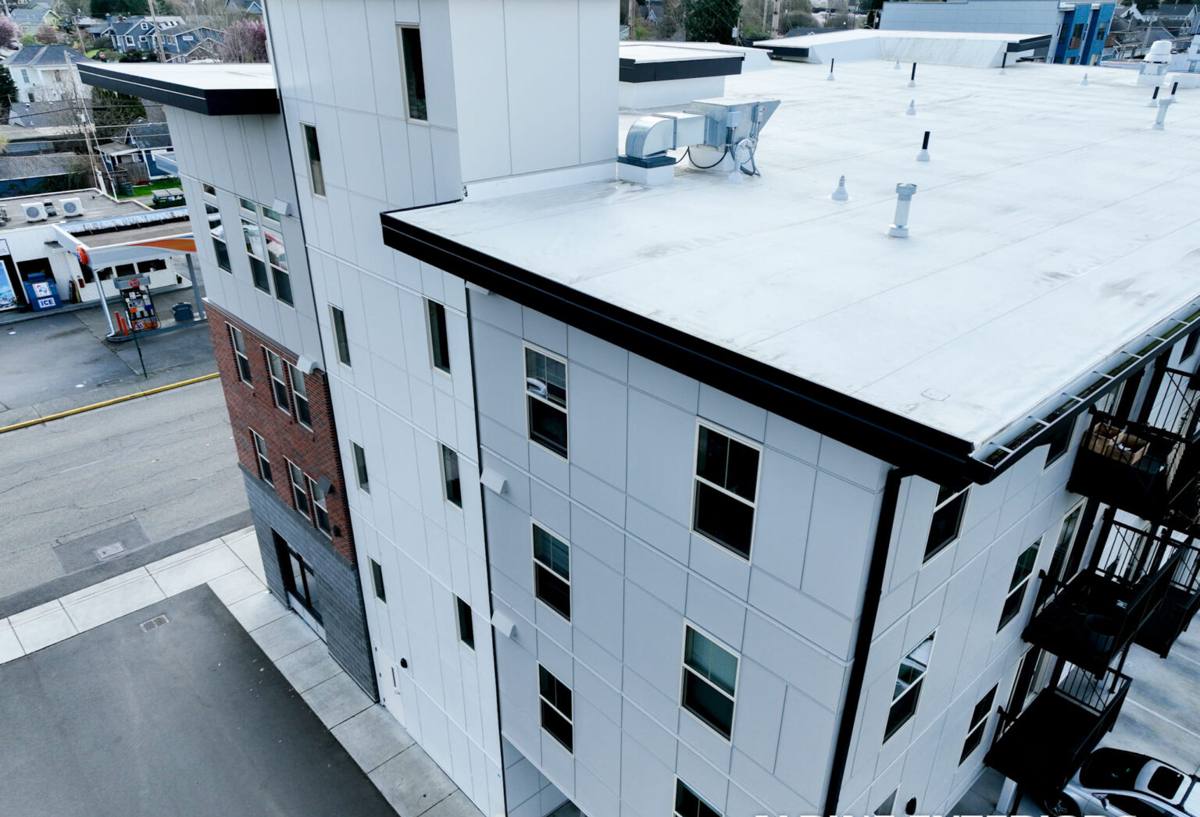
What Salt Air, Driving Rain, and Moss Actually Do to Windows
Salt air and hardware corrosion
Airborne salt is corrosive to exposed metal — hinges, locks, cranks, and screws on lower-grade window hardware can start pitting or seizing years before they would inland. It also degrades some finishes faster, especially on aluminum components and lower-quality vinyl cladding around hardware points. This is a durability issue more than a cosmetic one: hardware that binds or corrodes eventually compromises the seal.
Wind-driven rain and water intrusion
Rain that comes in mostly vertical is a very different load on a window than rain that's being pushed sideways by wind off the water. Wind-driven rain finds weak points ordinary rain never tests — gaps in flashing, under-sealed nailing flanges, sills without proper drainage. A window that's watertight in calm weather can still leak during a windstorm if it wasn't flashed for that specific load.
Moss, algae, and prolonged moisture
Whatcom County's long wet season keeps north-facing walls, sills, and anything shaded or slow to dry damp for extended stretches. That's exactly the environment moss and algae need. On windows, this shows up as staining on sills and frames, moisture trapped against wood trim, and — over time — accelerated rot in any wood components that aren't properly sealed or flashed to shed water.
Choosing the Right Window Material for Semiahmoo
Material choice matters more here than in a sheltered inland location, because you're weighing corrosion resistance, moisture behavior, and long-term maintenance against upfront cost. There's no single "best" answer for every house — it depends on your budget, your home's style, and how much upkeep you want to take on.
| Material | Salt Air / Moisture Behavior | Maintenance | Typical Fit |
|---|---|---|---|
| Vinyl | Won't rust or rot; performs well in coastal air | Low — occasional cleaning | Most homes, best value |
| Fiberglass | Very stable in moisture and temperature swings; strong corrosion resistance | Low | Higher-end replacements, larger openings |
| Wood-clad | Good if cladding and flashing are done correctly; interior wood still needs protection | Moderate to high | Homes wanting a wood interior look |
| Aluminum | Prone to corrosion in salt air unless marine-grade and well finished | Moderate | Specific architectural applications only |
For most Semiahmoo homes, we lean toward vinyl or fiberglass frames precisely because they don't rust, don't rot, and hold up to salt exposure with minimal upkeep. We're honest about the trade-offs on wood-clad and standard aluminum: they can work, but they demand more maintenance discipline in this climate, and we'll tell you that upfront rather than sell you something that will become a maintenance headache in five years.
Glass and Performance Features Worth Paying For Here
The frame handles structural durability; the glass package handles comfort, energy use, and condensation control — all of which matter in a marine climate with cool, damp winters.
- Low-E coatings reduce heat loss through the glass, which matters through Blaine's long heating season.
- Argon gas fill between panes improves insulation value over standard air-filled units, at modest added cost.
- Warm-edge spacers reduce the cold-edge effect that contributes to condensation forming on the inside of the glass near the frame — a common complaint in damp coastal climates.
- Tempered glass where required by code, particularly near doors, low sills, and wet areas.
- Dual or triple-pane construction — triple-pane adds cost and weight but can be worth it on exposed, wind-facing walls.
None of these are exotic upgrades — they're standard performance features we help you weigh against your budget, based on which walls of your house actually take the weather.
What a Correct Installation Involves
Most window failures we see aren't a bad window — they're a window that was installed without accounting for water management. In a wind-driven-rain environment like Semiahmoo, the installation details matter as much as the product itself.
Sill pans and drainage
A sloped sill pan under the window gives any water that gets past the exterior seal a path back out, instead of sitting against the framing. This is a standard best practice everywhere, but it's non-negotiable on a waterfront wall.
Flashing integration
The window's flashing has to integrate correctly with the house's weather-resistant barrier — head flashing above, side flashing lapped correctly, and everything sequenced so water sheds outward and down, never inward. Skipping or rushing this step is the single biggest cause of hidden leaks behind an otherwise fine-looking window.
Sealing and fastening
Proper sealant at the right joints — not everywhere, since over-sealing can trap moisture instead of letting it drain — plus fasteners and hardware rated for the exposure. This is where lower-grade hardware shows its weakness first in salt air.
Fit and insulation
Correct shimming and insulation around the frame prevent drafts and cold spots, which also reduces condensation risk on interior trim during Blaine's damp winters.
Our Process, Start to Finish
- On-site assessment. We look at each window's exposure — which walls face the water and prevailing wind, existing flashing and trim condition, and any signs of past moisture intrusion.
- Product recommendation. Based on that assessment, we recommend frame material and glass package suited to that specific wall, not a one-size answer for the whole house.
- Written estimate. Clear scope, product specs, and pricing before any work starts.
- Removal and prep. Careful removal of the old unit, inspection of the framing and sheathing underneath for hidden rot or moisture damage, and repair of anything we find before the new window goes in.
- Installation. Sill pan, flashing, and sealing done to the standard described above — not shortcuts to save an hour.
- Final walkthrough. We check operation, seals, and finish work with you before calling the job done.
What Affects the Cost
| Factor | Why It Matters |
|---|---|
| Frame material | Vinyl is typically the most budget-friendly; fiberglass and wood-clad cost more upfront |
| Window size and quantity | Larger openings and whole-house replacements have different economies than one or two windows |
| Glass package | Low-E, argon fill, and triple-pane options add cost but improve comfort and efficiency |
| Condition behind the old window | Hidden rot or moisture damage found during removal adds repair time before installation |
| Access and wall exposure | Waterfront-facing walls sometimes need extra flashing detail or scaffolding access |
| Custom shapes or sizes | Non-standard openings cost more than stock sizes |
We give you a written, itemized estimate so you can see exactly what's driving the price — no vague lump-sum numbers.
Living With Windows in a Salt-Air Climate
Even a well-installed window benefits from a little seasonal attention out here. A short annual routine goes a long way toward protecting your investment:
- Rinse sills and frames periodically to clear salt residue, especially after storms off the water
- Check and lightly lubricate hardware — locks, hinges, and cranks — to keep salt air from seizing moving parts
- Clear moss or algae buildup from sills and tracks before it holds moisture against the frame
- Inspect exterior caulking annually and re-seal if it's cracked or pulling away
- Watch for condensation patterns on interior glass — a sudden change can signal a failing seal
None of this is heavy maintenance, but skipping it in a coastal environment shortens the life of even a good window.
Why Local Experience in Semiahmoo Matters
A crew that's worked waterfront homes in this specific area already knows which walls take the worst of the wind and rain, how the moss season affects sills and trim, and what flashing details actually hold up here versus what merely passes inspection inland. That local pattern recognition shortens the learning curve on your project — we're not guessing at how your house will weather; we've seen how houses like it hold up over time in Blaine's marine climate.
If you're weighing a window replacement for a Semiahmoo property, we're happy to take a look and give you a straight, no-pressure estimate — what we'd recommend for your specific walls and why, with pricing you can actually plan around. Use the form below to get started.