 Blaine Siding
 Asphalt Shingle Roofing Built for Cherry Point's Coastline
Cherry Point sits right up against the Strait of Georgia, which means homes here take a different kind of beating than roofs even a few miles inland. Salt-laden air off the water, wind-driven rain that gets pushed sideways under poorly flashed edges, and a moss season that can run eight months out of the year all work against an asphalt shingle roof at the same time. A roof that would last two decades in a dry inland climate can start showing real wear in half that time out here if it wasn't installed with this specific environment in mind.
We work on homes throughout Blaine and Whatcom County, and Cherry Point properties get a specific set of considerations from us before we ever price a job: exposure direction, tree cover and moss risk, existing ventilation, and how the current roof has actually held up against the salt air. This page covers what that looks like in practice.
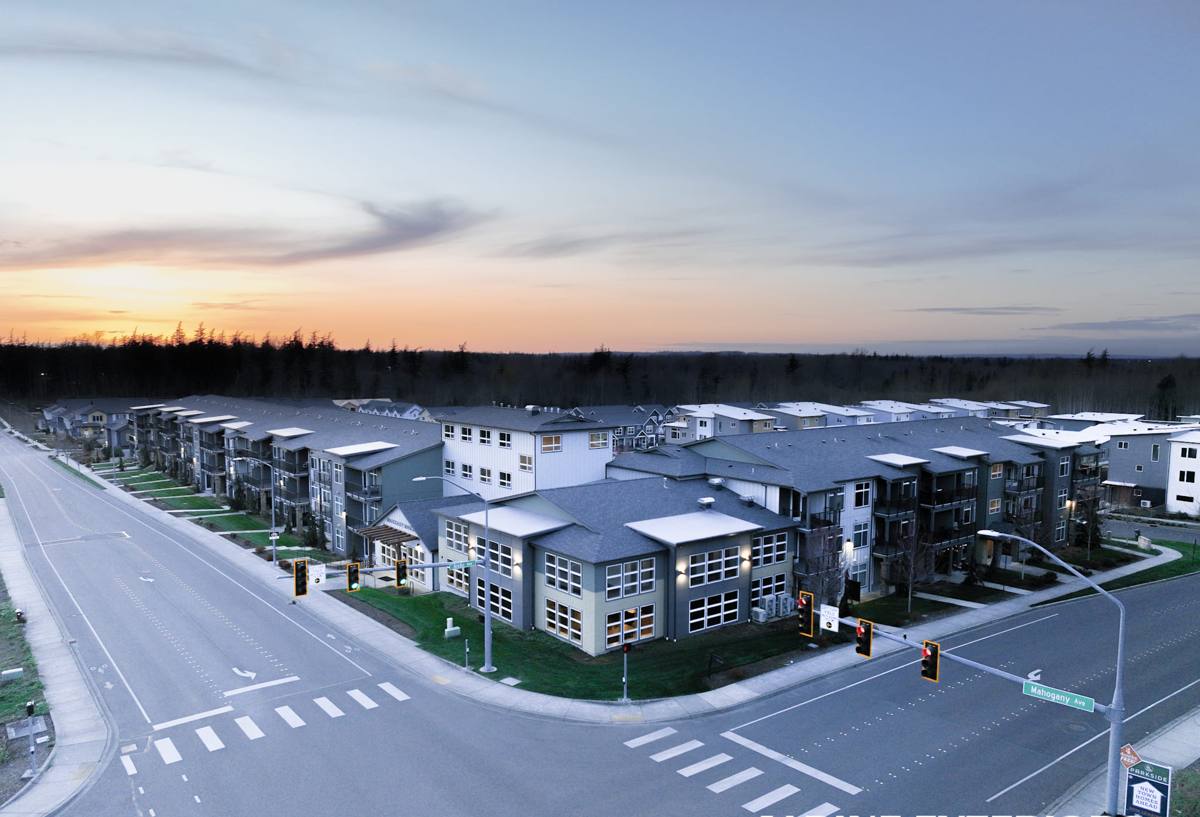
What Salt Air and Coastal Exposure Do to a Shingle Roof
Asphalt shingles themselves aren't especially vulnerable to salt corrosion the way bare metal is, but the metal components tied into a shingle roof system are. Flashing, drip edge, nail heads, vent housings, and gutter hardware all take the brunt of salt exposure over time. When those components corrode faster than the shingles themselves wear out, you end up with leaks at the flashing points long before the shingles are actually due for replacement.
This is why material selection matters more here than in a typical inland job. We pay close attention to:
- Flashing and drip edge material — corrosion-resistant metals hold up longer against salt-laden coastal air than standard galvanized steel
- Fastener quality — proper coated roofing nails resist salt corrosion better than lower-grade fasteners, and corroded nail heads are a common source of slow leaks
- Vent and pipe boot hardware — plastic components that get brittle from UV and salt exposure are a frequent failure point we look for on inspections
- Sealant choice — not all roofing sealants hold up the same way to constant moisture and salt cycling
Moss: The Slower, Sneakier Threat
Whatcom County's wet, mild climate is close to ideal moss-growing conditions, and Cherry Point's tree cover and marine air add to that. Moss doesn't just look bad — it holds moisture directly against the shingle surface, works its way under shingle tabs as it grows, and can lift edges enough that wind-driven rain gets underneath. Left unchecked over a few seasons, moss growth can shorten the effective life of an otherwise sound roof.
Signs Moss Has Already Become a Problem
- Visible green or dark growth concentrated on north-facing slopes or shaded sections
- Granule buildup collecting in gutters, which signals shingle surface breakdown underneath the moss
- Lifted or curled shingle edges near moss patches
- Dark streaking that spreads downhill from a moss colony as spores wash down the roof
The fix isn't just scraping moss off — aggressive pressure washing or scraping can do more damage to shingles than the moss itself. It's a combination of gentle removal, treatment, and addressing the moisture and shade conditions that let moss take hold in the first place, sometimes including targeted tree trimming or improved attic ventilation to reduce the roof deck temperature differential that helps moss thrive.
What a Correct Asphalt Shingle Install Looks Like Here
A shingle roof is a system, not just a layer of shingles nailed to plywood. On a Cherry Point home, we treat every layer of that system as something that has to perform against wind-driven rain and salt exposure specifically, not just against average Pacific Northwest weather.
The Layers That Actually Keep Water Out
- Deck inspection and repair — any soft, delaminated, or water-damaged sheathing gets replaced before anything else happens. Shingles are only as good as what they're nailed to.
- Ice and water shield at vulnerable points — valleys, eaves, and roof-to-wall transitions get self-adhering waterproof membrane, not just felt, because these are where wind-driven rain is most likely to force its way underneath.
- Synthetic underlayment across the field — a secondary water barrier that also gives the roof deck a chance to breathe compared to old-style felt.
- Corrosion-resistant flashing and drip edge — set at every roof-to-wall intersection, chimney, and eave, sealed correctly rather than just caulked over as an afterthought.
- Proper shingle nailing pattern and exposure — manufacturer nailing specs exist for wind resistance, and skipping or rushing this step is one of the most common causes of blown-off shingles in a coastal windstorm.
- Ridge and intake ventilation — balanced ventilation keeps the attic dry and temperature-regulated, which reduces both moisture buildup and the conditions that encourage moss.
Repair, Partial Replacement, or Full Tear-Off?
Not every problem roof needs a full replacement, and we'd rather tell a homeowner honestly that a roof has years left in it than sell a job that isn't needed yet. That said, coastal exposure changes the math a little compared to an inland roof of the same age.
| Situation | Likely Approach | Why |
|---|---|---|
| Isolated leak, flashing failure, roof otherwise sound | Targeted repair | Corroded flashing or a failed pipe boot can often be replaced without disturbing surrounding shingles |
| Moss damage limited to one or two slopes | Cleaning, treatment, possible section repair | Addresses the cause (moisture, shade) rather than just the symptom |
| Granule loss widespread, shingles curling across multiple slopes | Full tear-off and replacement | Patching a roof that's failing broadly rarely holds up, especially against driving coastal rain |
| Roof near or past manufacturer-rated lifespan with visible wear | Full replacement | Salt air exposure tends to accelerate wear on aging roofs faster than inland equivalents |
Choosing Shingles for a Cherry Point Home
Standard three-tab shingles are the lowest-cost option but generally carry the shortest wind and wear ratings, which matters more here than in a sheltered inland lot. Architectural (laminated) shingles cost more up front but typically carry stronger wind ratings and a heavier, more durable profile — worth the difference for most homes in this exposure. For homes with especially heavy moss history or persistent shade, algae-resistant shingle lines (using copper-infused granules) can reduce how fast moss and algae re-establish after cleaning, though they don't eliminate the need for periodic maintenance.
We'll walk through the realistic trade-offs for your specific roof rather than defaulting to whatever's easiest to sell — the right shingle depends on your roof's slope, shade exposure, and how long you plan to stay in the home.
Our Process for Cherry Point Roofing Jobs
- On-site inspection — we get on the roof (not just a drive-by look) and check the deck, flashing, ventilation, and moss/algae condition, not just shingle appearance from the ground
- Honest scope and written estimate — you get a clear breakdown of what's actually needed versus what's optional, in plain language
- Material selection conversation — we explain the coastal-specific reasoning behind flashing, fastener, and shingle choices instead of just listing a product name
- Scheduled install with weather awareness — Blaine's marine weather means we plan around forecast windows rather than pushing a tear-off into an incoming system
- Site cleanup and walk-through — magnetic sweep for nails, hauled debris, and a final walk-through so you know exactly what was done
Maintenance That Actually Extends Roof Life Here
A well-installed shingle roof in Cherry Point still needs periodic attention to get its full expected lifespan, mostly because of the moss and salt factors already covered above.
A Simple Seasonal Checklist
- Clear gutters and downspouts at least twice a year — clogged gutters back water up under the lowest shingle course
- Look for moss starting on shaded or north-facing slopes before it spreads
- Check attic ventilation isn't blocked by insulation, storage, or debris
- After any significant windstorm, do a visual check from the ground for lifted or missing shingles
- Have flashing and pipe boots inspected every few years, since these fail well before shingles typically do in salt air
Catching a small flashing or moss issue early is almost always cheaper than dealing with the water damage that shows up months after it's ignored.
Why Local Experience on This Coastline Matters
A roofing crew that mostly works inland jobs may not think twice about standard-grade flashing or skip the moss-prevention conversation entirely, because it simply isn't as relevant where they usually work. Working Cherry Point and the rest of Blaine regularly means we've seen how salt air and moss actually play out on real roofs here over time — which corrosion points fail first, which slopes hold moss the longest, and where wind-driven rain typically finds its way in. That local pattern recognition is part of what you're paying for when you hire a crew that already knows this stretch of Whatcom County, not just a general contractor working from a national playbook.
If you're dealing with an aging roof, visible moss, or just want an honest read on where your roof actually stands, we're happy to take a look. Reach out for a free, no-pressure estimate using the form below.