 Blaine Siding
 Window Installation in Birch Point: Built for What the Coast Throws at It
Birch Point sits close enough to the water that its homes take a different kind of weathering than houses even a few miles inland. Salt-laden air, wind-driven rain off the Strait, and a long, damp moss season put steady pressure on window frames, seals, and sills. A window that would hold up fine in a drier part of Whatcom County can start failing early out here if it wasn't chosen or installed with that exposure in mind. This page is about doing that job right — for this specific stretch of coastline, not as a generic add-on to a bigger service list.
Window installation sounds simple from the outside: pull the old unit, set the new one, caulk the edges. Done wrong, that's exactly how you end up with rot behind the trim two winters later. Done right, it's a sequence of small decisions — flashing details, fastener choice, sealant selection, frame material — that add up to a window that actually survives salt air and driving rain instead of just looking good on install day.
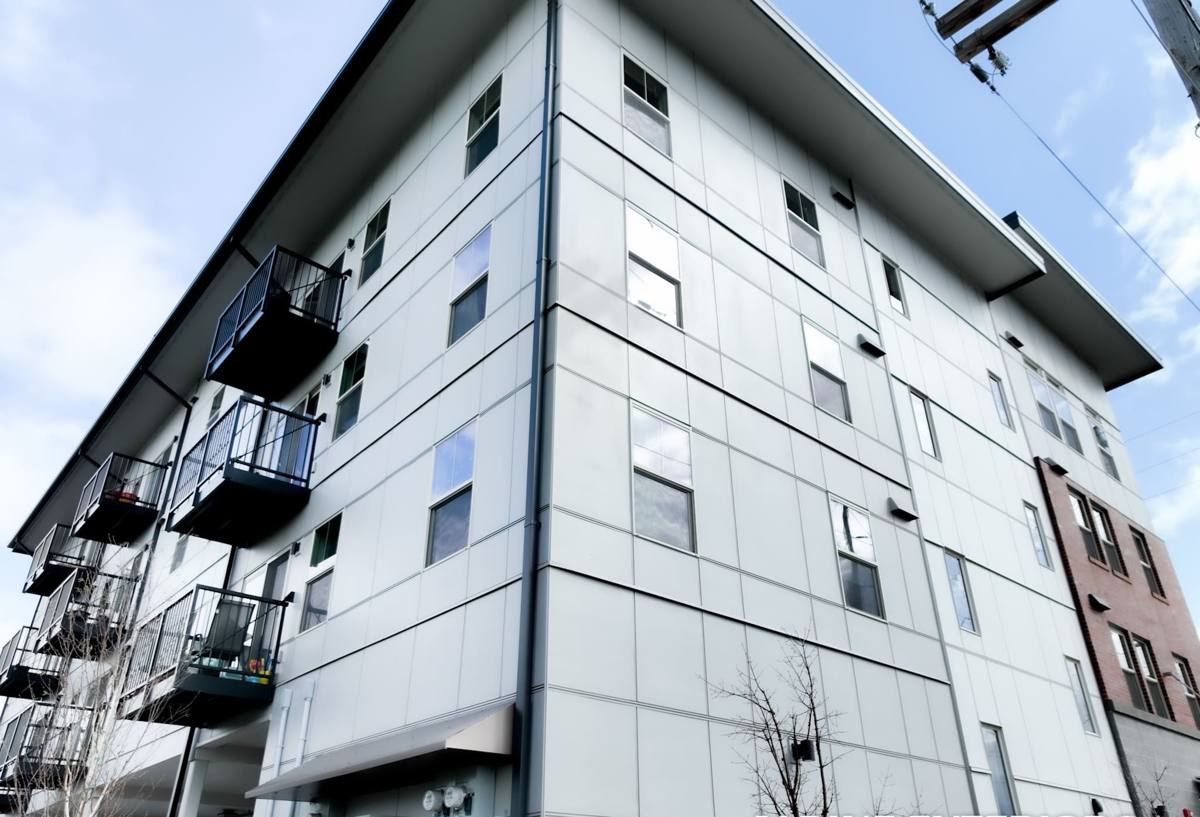
Why Birch Point Homes Wear Out Windows Faster
A few things specific to this location compound over time:
- Salt air corrosion — airborne salt accelerates corrosion on hardware, screws, and any exposed metal flashing that isn't properly rated or protected. Cheap fasteners can start showing rust streaks within a couple seasons.
- Wind-driven rain — rain here doesn't just fall, it gets pushed sideways into wall assemblies. Flashing and sealant details that would be adequate elsewhere in the county need to be more rigorous at Birch Point to keep water from finding its way behind the siding.
- Extended moss and moisture season — long stretches of damp, low-light weather keep wood trim and sills wet longer, which is exactly the condition wood rot and mildew need to take hold.
- Temperature swings between marine layer and clear days — repeated expansion and contraction stresses seals and glazing over the years, which is part of why failed seals (fogging between panes) show up sooner on coastal homes than inland ones.
None of this means Birch Point is a hard place to keep windows performing well — it just means the installation has to account for the exposure instead of treating it like any other job in Whatcom County.
What a Correct Window Installation Actually Involves
The window itself matters, but most of the long-term performance comes down to what happens around it. A quality installation in this area includes:
Removal and opening prep
Old windows come out carefully to avoid damaging the rough opening. Once it's exposed, we check the sheathing and framing for any hidden moisture damage — this is often the first real look anyone's had at that part of the wall in years, and on older coastal homes it's not unusual to find some degree of water intrusion that needs addressing before the new window goes in.
Flashing and weather barrier integration
This is the step that determines whether the window stays dry for the next twenty years or starts leaking in five. Flashing tape and pan flashing get integrated with the house's weather-resistive barrier in the correct shingle-lap order — sill flashing first, jamb flashing overlapping it, head flashing overlapping the jambs — so water is always directed outward and down, never into the wall cavity.
Setting the window level, plumb, and square
A window that's slightly out of square will bind, won't seal evenly, and puts uneven stress on the frame. Shimming and fastening correctly here also protects the manufacturer's warranty, which typically requires installation per their specifications.
Sealing and insulating
Low-expansion foam or backer rod and sealant around the frame perimeter, sized and applied correctly — not overfilled, not skipped. Exterior sealant beads need to be continuous, with no gaps where wind-driven rain can get a foothold.
Interior and exterior trim
Trim gets reinstalled or replaced with attention to caulking joints and, on the exterior, using materials suited to sustained damp exposure rather than trim that will need repainting or replacing within a couple of years.
Choosing the Right Window for a Birch Point Home
Frame material is one of the biggest decisions, and it matters more here than in drier inland areas. There's no single right answer for every home — it depends on your home's style, budget, and how much upkeep you want to take on.
| Frame Material | Coastal Performance | Maintenance | Typical Trade-Offs |
|---|---|---|---|
| Vinyl | Good — resists corrosion, handles moisture well | Low | Budget-friendly; fewer color/finish options than fiberglass |
| Fiberglass | Very good — dimensionally stable, resists warping in temperature swings | Low | Higher upfront cost than vinyl |
| Aluminum | Fair — needs marine-grade or coated hardware to resist salt corrosion | Moderate | Thin sightlines but more prone to condensation without thermal breaks |
| Wood | Requires the most protection from driving rain and damp | High | Best traditional appearance; needs regular refinishing near the coast |
| Wood-clad (exterior clad, wood interior) | Good if cladding and flashing details are correct | Low to moderate | Combines interior warmth of wood with exterior durability |
For most Birch Point homes, we steer clients toward vinyl or fiberglass for straightforward performance with minimal upkeep, and reserve wood or wood-clad recommendations for homes where the architectural character calls for it and the owner is prepared for the added maintenance that comes with sustained coastal moisture exposure. This is a professional judgment call about long-term maintenance burden, not a knock on any manufacturer — every material has a place, the question is whether it fits this specific exposure and this specific homeowner's tolerance for upkeep.
Our Process, From Estimate to Final Inspection
- On-site assessment — we look at each window opening individually, not just count units. Sun exposure, wind exposure, and existing condition all vary window to window, even on the same house.
- Written estimate — clear scope, materials, and pricing before any work starts. No surprise change orders for things we could have caught during the walkthrough.
- Scheduling around weather — coastal installs are timed to avoid opening up a wall during a driving-rain stretch. We'd rather shift a day or two than compromise the install.
- Removal, inspection, and prep — as described above, including flagging any hidden rot or moisture damage before we proceed, with photos and an honest conversation if we find something.
- Installation — flashing, setting, sealing, and trim, done in the correct order every time, not shortcuts to save an hour.
- Final check and cleanup — operation test on every window (open, close, lock), a visual seal check, and site cleanup before we call it done.
Signs Your Birch Point Home Might Need New Windows
- Fogging or a permanent haze between the panes — the seal has failed and the insulating gas is gone
- Visible gaps, soft spots, or discoloration in the wood trim or sill around the frame
- Windows that are hard to open, close, or lock, or that don't sit flush anymore
- A noticeable draft near the frame even with the window fully closed
- Condensation forming on the interior glass regularly, especially in cooler months
- Visible corrosion or rust streaking on hardware or metal flashing
- Paint or finish that's failing faster on window trim than on the rest of the siding
- Rooms near windows that feel noticeably colder or noisier than the rest of the house
Any one of these on its own isn't necessarily an emergency, but a few of them together — especially on the water-facing side of a Birch Point home — usually means the window and its surrounding assembly are past the point where caulk and weatherstripping will fix the problem.
Cost Factors Homeowners Should Understand
Every home is different, so we don't quote by phone — but these are the main variables that move a window installation estimate up or down:
| Factor | Why It Matters |
|---|---|
| Frame material chosen | Vinyl, fiberglass, aluminum, and wood carry different material and labor costs |
| Number and size of openings | Larger windows and more units naturally scale total cost |
| Hidden rot or moisture damage | Discovered during opening prep — addressing it properly adds time and material, but skipping it just moves the problem down the road |
| New construction vs. replacement (retrofit) | Retrofitting into an existing opening is typically less invasive than a full frame-out replacement |
| Access and site conditions | Second-story or hard-to-reach windows take more time and equipment |
| Trim and finish work | Matching existing trim profiles or upgrading exterior trim materials affects labor and material cost |
We'd rather walk your home and give you real numbers than throw out a broad range that doesn't mean much either way. Broadly speaking, straightforward retrofit installs cost less per window than full frame-out replacements, and that gap widens when hidden repair work is involved.
Why Hire a Crew That Already Works Birch Point
Window installation isn't a one-size-fits-all job, and a crew that mostly works drier, inland areas may not default to the flashing and sealant details that matter most here. Working regularly in and around Blaine and the Whatcom County coastline means we're used to:
- Building in extra margin on flashing overlap and sealant coverage for wind-driven rain
- Specifying corrosion-resistant fasteners and hardware as standard, not an upsell
- Recognizing early-stage moss and moisture damage around openings before it becomes structural
- Scheduling around the marine weather patterns that affect this stretch of coast
That's the practical value of local experience — it's not a marketing line, it's fewer callbacks and windows that are still performing well a decade from now instead of five years from now.
After the Install: Keeping Your Windows Performing
A correctly installed window still benefits from basic upkeep in a salt-air environment. Rinse frames and hardware periodically to clear accumulated salt residue, especially on the ocean-facing side of the house. Check exterior caulk lines once a year for cracking or separation, and keep an eye on trim paint or finish so small failures get caught before moisture gets behind them. None of this is heavy maintenance — it's the kind of five-minute check that keeps a good installation good for its full lifespan.
If you're weighing replacement windows for a Birch Point home, or just want an honest read on whether your current ones are still doing their job, we're glad to come take a look. The estimate is free, there's no pressure attached to it, and you'll get a straight answer either way — just fill out the form below to get started.