 Blaine Siding
 Building a Deck That Actually Holds Up in Birch Bay
Birch Bay sits right on the water, which is exactly why decks here age differently than decks ten miles inland. Salt-laden air corrodes hardware faster, wind-driven rain finds its way into every gap and seam, and the low winter sun combined with near-constant moisture keeps wood and composite surfaces damp for weeks at a time. A deck built to a generic spec sheet might look fine the first summer and start showing problems — soft boards, rust streaks, lifting fasteners, black-green growth in the shade — by the third winter.
We build decks in Birch Bay and around Blaine regularly, and the difference between a deck that lasts and one that doesn't almost always comes down to choices made before the first board goes down: material selection, fastener grade, framing details, and drainage. This page covers what actually matters for a Birch Bay deck project, from planning through the finished structure.
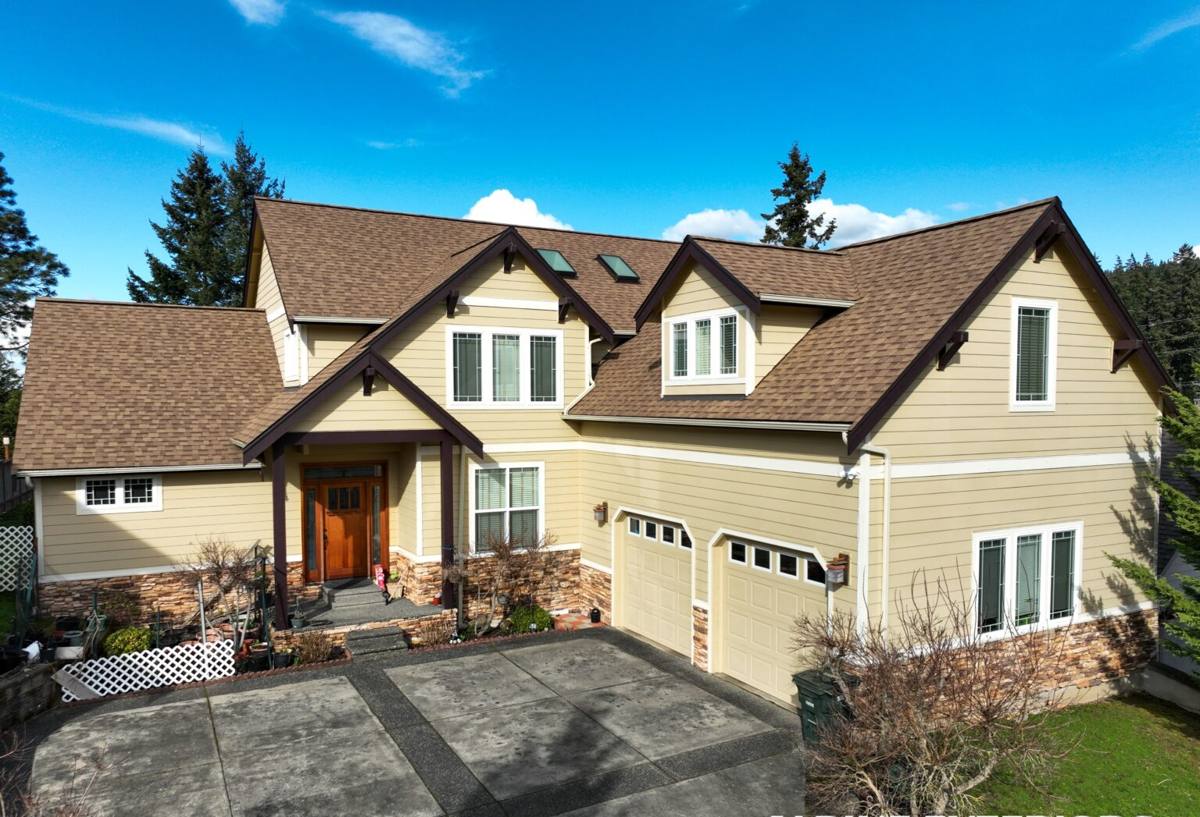
Why Coastal Whatcom County Is Harder on Decks
Three conditions define the challenge for any outdoor structure near Birch Bay:
- Salt air corrosion — airborne salt accelerates rust on fasteners, brackets, and connectors, especially on the water-facing side of a property.
- Driving rain — Pacific storms push rain sideways as much as down, which means ledger connections, flashing, and board gaps take on more moisture than a typical inland deck sees.
- A long moss and algae season — mild temperatures and persistent damp shade give moss, lichen, and algae a long window to establish, particularly on north-facing decks or ones shaded by trees or the house itself.
None of these are exotic problems — they're just constant, low-grade stressors that a deck either handles by design or accumulates damage from year after year.
Decking Material: What Actually Performs Here
Comparing Common Options
There's no single "best" decking material — the right call depends on budget, how much upkeep you want to do, and how exposed the deck is to wind and salt spray. Here's how the common choices stack up for a Birch Bay property specifically:
| Material | Salt Air / Moisture Behavior | Moss & Algae Resistance | Maintenance |
|---|---|---|---|
| Pressure-treated wood | Prone to cupping and checking if not sealed regularly | Needs regular cleaning; porous surface holds moss spores | Annual cleaning and re-sealing recommended |
| Cedar | Naturally moisture-resistant but still needs finish upkeep near the water | Better than PT pine but still requires cleaning | Periodic staining/sealing to maintain color and protection |
| Composite decking | Doesn't absorb water or rot; fastener corrosion is the main concern | Grows algae/moss on the surface like anything else outdoors, but doesn't degrade from it | Occasional wash-down; no sealing or staining |
| PVC decking | Fully moisture-resistant, no rot risk | Smooth surface sheds moss more easily than wood-grain composites | Lowest maintenance of the group |
We're honest with clients about trade-offs rather than pushing one product line. Composite and PVC cost more up front but remove the recurring maintenance burden that coastal wood decks carry. Wood costs less initially and can look great, but it asks more of the homeowner in terms of yearly cleaning and refinishing — something worth being clear-eyed about before you commit to a material for a property that gets this much moisture.
Framing and Structural Wood
Whatever decking surface you choose, the substructure underneath should always be a treated lumber rated for ground contact or better, since Birch Bay's humidity keeps framing damp longer than a drier inland lot. We also pay attention to joist spacing and blocking under any board pattern that isn't a straight run — diagonal or picture-frame layouts need tighter support to prevent flex over time.
Fasteners and Hardware: The Detail Most Decks Get Wrong
Salt air is hardest on metal, and a lot of deck failures near the water start with corroding hardware rather than failing wood. Standard galvanized fasteners can start showing rust streaks within a couple of seasons this close to the bay. For Birch Bay builds we specify stainless steel or high-grade coated fasteners and structural connectors rated for coastal exposure, particularly on:
- Ledger board bolts and lag screws (the connection to the house — the single most safety-critical joint on any deck)
- Joist hangers and structural brackets
- Visible surface screws, which show rust streaks and staining first if under-specified
- Railing post hardware, which takes direct wind and rain exposure
Paying a little more for the right fastener grade up front is far cheaper than replacing rust-stained boards or re-securing a loose railing five years in.
Drainage and Flashing: Where Driving Rain Actually Gets In
Decks rarely fail because rain hits the top surface — they fail because rain gets underneath, behind, or into a connection point and can't dry out. For a Birch Bay deck, that means:
Ledger flashing where the deck attaches to the house needs to be installed correctly, layered so water sheds outward rather than tracking behind the siding — this is one of the most common sources of hidden rot on older decks we're asked to repair or rebuild.
Board spacing should allow water to drain through rather than pool, especially important given how much rain this area gets in fall and winter.
Post bases should sit above grade on proper post bases rather than buried in soil or concrete, which traps moisture against the wood.
Design Choices That Make Sense for Birch Bay Properties
Wind and Exposure
Many Birch Bay lots are close enough to the water to catch real wind, which affects railing design, furniture placement, and sometimes whether a partial windscreen or strategically placed privacy panel makes the deck more usable year-round rather than just in calm weather.
Shade, Moss, and Layout
North-facing decks or ones shaded by mature trees hold moisture longer and grow moss faster. Where possible, we factor sun exposure into layout and material choice — a smoother, less porous surface in a shaded corner will stay cleaner longer than a deep wood-grain texture in the same spot.
Elevation and Views
A lot of Birch Bay properties are built for a water view, which often means elevated decks with more substantial railing and support requirements. Taller structures also see more wind load, which factors into post sizing and bracing.
Permits and Code in Blaine and Whatcom County
Most custom deck projects in this area require a building permit, and requirements can differ depending on whether the property is inside Blaine city limits or in unincorporated Whatcom County — including setback rules, height limits, and railing/guard specifications for elevated decks. We handle the permit process as part of the build so homeowners aren't left figuring out jurisdiction-specific requirements on their own.
How We Approach a Birch Bay Deck Project
- On-site assessment — we look at sun exposure, wind exposure, drainage patterns, and the condition of the ledger area against the house before recommending anything.
- Material and design discussion — we walk through the trade-offs above so you're choosing based on your budget and how much maintenance you actually want to do, not a sales pitch.
- Permit handling — we prepare and submit what's required for Blaine or Whatcom County, as applicable.
- Build with coastal-grade hardware — stainless or coated fasteners, proper flashing, correct post bases, as standard practice, not an upcharge option.
- Final walkthrough — we go over basic maintenance expectations for your specific material choice so there are no surprises in year two or three.
What to Ask Before Hiring a Deck Contractor in Birch Bay
Not every contractor who builds decks inland treats a coastal build differently, and that gap shows up years later. Before hiring, it's worth asking:
- What fastener and hardware grade do you use for ledger connections and brackets?
- How do you flash the ledger board where it meets the house?
- Do you have experience building specifically in Birch Bay or other waterfront Whatcom County areas?
- What's the expected maintenance schedule for the decking material you're recommending?
- Who handles the Blaine or Whatcom County permit, and is that included?
- What's the warranty structure on materials versus labor?
A contractor who answers these clearly and specifically — rather than in generalities — is one who's actually built for this environment before.
Why Local Experience in Birch Bay Matters
A deck built to a generic inland spec will often look identical to a properly built coastal deck on the day it's finished. The difference shows up over the following winters — in fastener condition, ledger integrity, and how much moss and algae maintenance a homeowner ends up doing. Because we work regularly in Birch Bay and around Blaine, we've seen firsthand what fails here and build accordingly from the start, rather than treating it as an afterthought.
If you're planning a new deck or replacing one that's showing its age, we're happy to walk your property, talk through material options honestly, and put together a straightforward, no-pressure estimate. Use the form below to get started.