 Blaine Siding
 Asphalt Shingle Roofing Built for Bellingham's Marine Climate
Bellingham sits right on the water in Whatcom County, and that location shapes everything about how a roof ages here. Salt-laden air blows in off the Salish Sea, driving rain comes in sideways during fall and winter storms, and the shaded, damp conditions common in this part of the county keep moss and algae growing on roofs nearly year-round. A shingle roof that would last thirty years in a dry inland climate can wear out noticeably faster here if it wasn't installed with these conditions in mind. We install and repair asphalt shingle roofs for homes throughout the Bellingham area, and the details below reflect what we've learned working on roofs in this exact climate, not a generic install checklist pulled from a manufacturer's brochure.
Salt Air and Granule Loss
Airborne salt doesn't just affect metal fasteners and flashing, though it does accelerate corrosion there too. Over time it also contributes to granule loss on asphalt shingles, especially on roof faces that catch the prevailing wind off the water. Once granules wear away, the asphalt mat underneath is exposed to UV light and moisture, and that's when a shingle's remaining lifespan starts dropping fast. Homes closer to the water tend to show this wear pattern earlier than homes a few miles inland, which is one reason we look at a home's exposure, not just its age, when estimating how much roof life is left.
Driving Rain and Wind-Driven Moisture
Storms coming off the water regularly push rain sideways instead of straight down, which means water finds its way under shingle edges, around flashing, and into any gap in the underlayment that a calmer climate might never test. A roof that's only built to shed water moving straight down isn't built for Bellingham. Every lap, seam, and flashing detail has to account for wind-driven rain, not just gravity.
The Long Moss Season
Between the rainfall totals and the number of shaded, tree-covered lots around Bellingham, moss and algae have a long growing season here, often close to year-round on north-facing slopes and roofs under tree cover. Moss holds moisture against the shingle surface, works its way under tabs as it grows, and can lift shingles enough to let water in. Left unmanaged, it shortens roof life significantly and is one of the most common reasons we get called out to inspect a roof that's only ten or twelve years old but already showing damage.
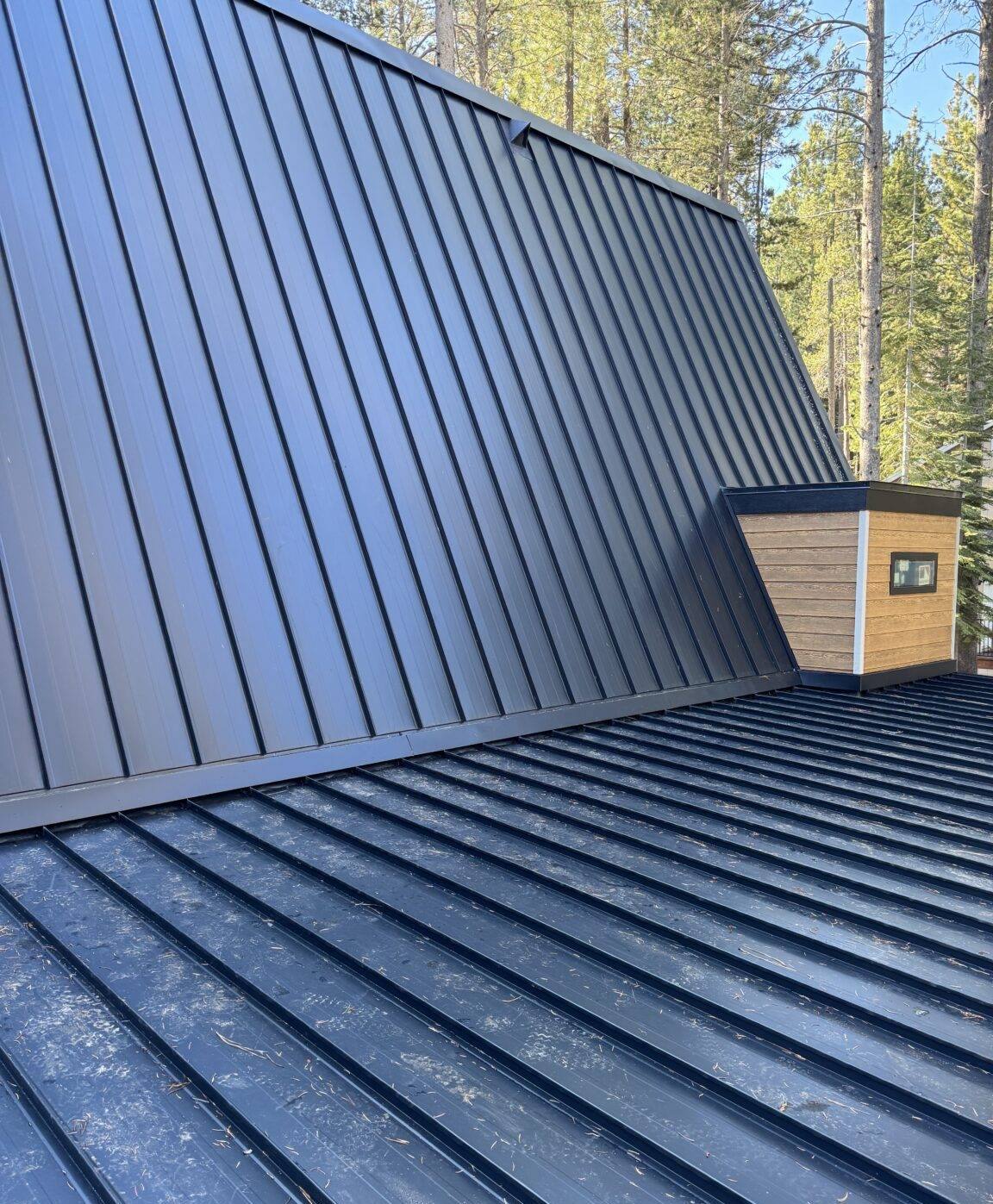
What a Correctly Installed Shingle Roof Includes Here
A shingle roof is a system, not just a layer of shingles nailed to plywood. In this climate, every layer of that system matters more than it would somewhere drier.
Underlayment and Water Barriers
We use synthetic underlayment rather than old-style felt, because it holds up better to the moisture exposure a roof deck sees during a multi-day tear-off in Whatcom County weather. At eaves, valleys, and other vulnerable transitions, self-adhered ice-and-water membrane adds a second layer of protection against wind-driven rain and the occasional hard freeze, even though sustained ice damming isn't a major concern this close to the water.
Ventilation
Balanced intake and exhaust ventilation keeps the attic dry and close to outdoor temperature. Without it, moisture from daily living gets trapped under the roof deck, which encourages rot and makes moss and algae growth on the underside of the deck more likely, not just on the visible shingle surface. Ventilation is also part of most shingle manufacturers' warranty requirements, so skipping it can quietly void coverage the homeowner assumes they have.
Flashing and Penetrations
Chimneys, skylights, plumbing vents, and valleys are where most leaks actually start, not in the open field of shingles. Correct step flashing, counterflashing, and pipe boots, properly lapped with the underlayment and shingles, matter more to long-term watertightness than the shingle brand chosen.
Fastening and Wind Rating
Manufacturer nailing patterns exist for a reason, and in a windy coastal area they're not optional. Correct nail placement and count are what the shingle's published wind rating is actually based on, so a rushed or incorrect nailing job undercuts the wind resistance you're paying for, regardless of the shingle's quality.
Signs a Bellingham Roof Needs Repair or Replacement
Because moss, salt exposure, and wind-driven rain all cause damage that isn't always obvious from the ground, it helps to know what to actually look for:
- Granules collecting in gutters or at the base of downspouts
- Dark streaking or green-black growth across the roof surface, especially on shaded slopes
- Shingle edges that are curling, cupping, or lifting
- Moss visibly growing under shingle tabs rather than just on the surface
- Soft or spongy-feeling spots when walked on
- Daylight visible through the roof deck from inside the attic
- Missing or torn shingles after a windstorm
- Water stains on ceilings or interior walls near exterior corners
Any one of these on its own isn't necessarily an emergency, but two or three together usually mean it's time for a professional look before a small problem becomes a full deck replacement.
Choosing the Right Shingle for Coastal Whatcom County
Not every asphalt shingle is built the same way, and the differences matter more here than in a mild, dry climate. The comparison below reflects general product categories, not specific brand claims.
| Shingle Type | Typical Wind Rating | Algae Resistance | Typical Lifespan Here | Best Fit |
|---|---|---|---|---|
| Standard 3-tab | Lower end of the range | Minimal unless treated | Shorter, especially near the water | Budget-conscious projects, secondary structures |
| Architectural / laminate | Mid to upper range | Available with algae-resistant granules | Longer, better overall value | Most Bellingham homes |
| Impact-rated (Class 4) | Upper range | Available with algae-resistant granules | Longer, with added impact durability | Exposed sites, homeowners prioritizing durability |
For most homes in this area, we recommend an architectural shingle with algae-resistant, copper- or zinc-infused granules. That granule treatment slows algae and moss regrowth on the shingle surface itself, which matters more here than in almost any climate factor other than wind exposure. It doesn't eliminate the need for maintenance, but it buys real time between cleanings.
Our Asphalt Shingle Roofing Process
The process is straightforward, but the sequence matters, and skipping steps is where most problems start.
- Inspection and estimate. We look at the current roof, the attic, and any visible signs of moisture or moss damage, then walk through options and honest pricing before any work begins.
- Tear-off and deck check. Old shingles come off down to the deck, and we inspect the plywood or planking underneath for soft spots or rot that need to be addressed before new material goes on.
- Underlayment and flashing. Synthetic underlayment, ice-and-water membrane at vulnerable areas, drip edge, and new flashing at every penetration and valley.
- Ventilation check. We confirm intake and exhaust are balanced, correcting or adding ventilation where the existing setup falls short.
- Shingle installation. Installed to manufacturer nailing specifications for the wind rating the product is rated for, not a shortcut pattern.
- Cleanup and final walkthrough. Magnetic sweep for nails, debris hauled off, and a walkthrough so you know exactly what was done and what to expect going forward.
Repair or Full Replacement? How We Help You Decide
Not every roof problem in Bellingham means a full replacement, and we won't tell you it does. The decision usually comes down to a few honest factors: how much of the roof's expected lifespan is left, how widespread the damage is versus isolated to one area, whether the decking underneath is still sound, and what condition the flashing and ventilation are in. A roof with isolated storm damage and a solid deck is often a straightforward repair. A roof showing granule loss across most slopes, moss under multiple tab lines, and soft decking in more than one spot is usually past the point where repair makes financial sense. We'll tell you which situation you're in and why, rather than defaulting to whichever option costs more.
Keeping Moss and Algae From Coming Back
Even a well-installed roof needs some upkeep in this climate. A few habits go a long way toward protecting the investment:
- Keep gutters and valleys clear so water doesn't sit against shingle edges
- Trim back overhanging branches to reduce shade and debris buildup on the roof
- Have moss treated or gently removed before it works under shingle tabs, rather than after
- Avoid pressure washing, which strips protective granules and shortens shingle life
- Schedule a periodic inspection rather than waiting for a visible leak
Zinc or copper strips installed near the ridge can also help slow moss regrowth over time, using rainwater runoff to carry trace metals down the roof face. It's not a substitute for occasional cleaning, but it meaningfully extends the time between treatments.
Why Hire a Crew That Already Works Bellingham
A roofing crew that mainly works drier, inland climates will make different assumptions than one that works this coastline regularly. We know which slopes in this area tend to hold moss longest, which exposures take the worst of the wind-driven rain, and how local building department expectations apply to a reroof or repair in Whatcom County. That familiarity shows up in small decisions, like where we add extra ice-and-water membrane or how we detail a valley, that a crew unfamiliar with this climate might not think to make. It also means we're not learning on your roof.
If you're seeing granule buildup in the gutters, moss creeping under the shingle tabs, or you're just not sure how much life your current roof has left, we're happy to take a look. Reach out for a free, no-pressure estimate using the form below, and we'll give you a straight answer about what your roof actually needs.