 Blaine Siding
 Window Replacement for Lynden Homes
Lynden sits inland from Blaine and the coast, but it doesn't escape Whatcom County's marine-influenced weather. Driving rain, long stretches of overcast humidity, and a moss season that can run most of the year all put steady pressure on a home's windows. Add in air that carries salt and moisture off the coast on windier days, and you have a climate that's genuinely tough on window seals, frames, and the flashing details around them. Windows here don't fail because of one big storm — they fail slowly, from years of moisture finding small gaps and never fully drying out.
This page is about replacing windows correctly for a Lynden home specifically: what the climate demands, what a proper install actually involves, and why the details matter more here than they would in a drier part of the state.
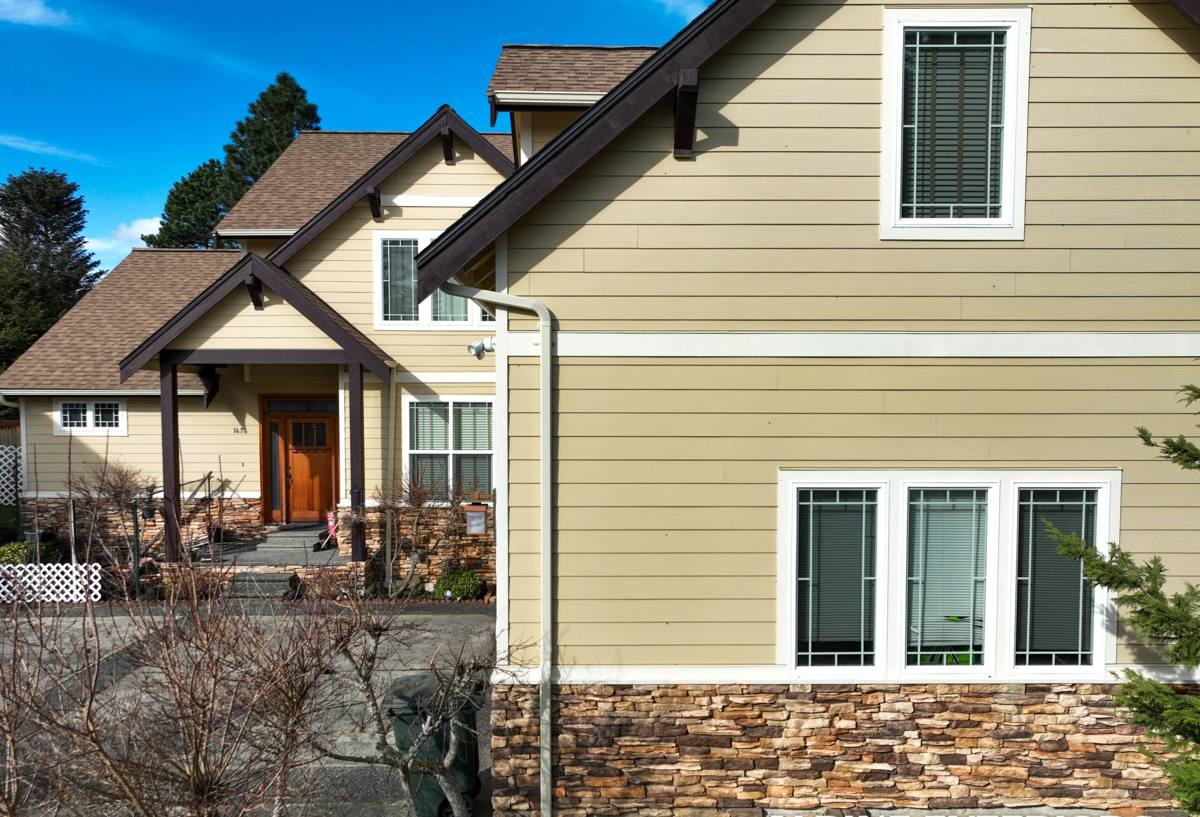
How Whatcom County's Climate Wears Down Windows
A window is a system — glass, frame, sealant, flashing, and the connection to the wall around it. In a dry climate, a mediocre installation might last for years before problems show up. In Lynden, weak points get exposed much faster.
- Constant moisture cycling. Frequent rain followed by damp, humid air means window components rarely get a true chance to dry out, which accelerates wood rot and seal breakdown.
- Wind-driven rain. Storms coming off the Pacific don't just fall straight down — wind pushes rain sideways into window edges, which is exactly where poor flashing or caulking fails first.
- Moss and organic growth. Moss and algae hold moisture against window sills and trim longer than the surrounding siding, which is one reason sills and lower frames often show rot before the rest of the window.
- Condensation-friendly temperatures. Cool, humid air makes older or poorly sealed windows prone to interior condensation, which over time can damage sills, trim, and nearby drywall.
None of this means Lynden is a uniquely harsh place to own a home — it just means the margin for error on window work is smaller than it is elsewhere.
Signs a Lynden Home Needs Window Replacement
Homeowners usually notice window problems long before they understand the cause. Common signs we see on Whatcom County homes include:
- Fogging or a permanent haze between panes on double-pane windows — a sign the seal has failed and the gas fill or air gap is compromised
- Soft, discolored, or spongy wood at the sill or lower frame corners
- Visible gaps, drafts, or a noticeable temperature difference near the window even when it's closed
- Windows that are difficult to open, close, or lock — often a sign the frame has swollen or shifted
- Peeling paint or bubbling finish concentrated around the window, which usually points to trapped moisture underneath
- Rising heating bills without a clear explanation, especially in rooms with older or original windows
Any one of these on its own isn't necessarily an emergency. Several of them together, especially combined with visible rot, usually means the window and possibly some of the surrounding wall framing needs attention.
What a Correct Window Replacement Job Involves
Swapping the glass unit itself is the easy part. The work that actually determines how long a window lasts in this climate happens around it.
Removing the Old Window Properly
Before a new window goes in, the opening needs to be inspected — not just the window itself, but the framing, sheathing, and any existing flashing behind it. This is the point where hidden water damage, if any exists, gets found. Skipping this step and simply dropping a new window into a compromised opening just seals the problem behind a new frame.
Flashing and Moisture Management
Correct flashing directs any water that gets behind the window's exterior trim back out, rather than letting it pool against the framing. This includes sill pan flashing at the bottom of the opening, proper overlap at the sides and top, and integration with the home's weather-resistive barrier. In a climate with as much driving rain as Whatcom County gets, this step is not optional — it's the single biggest factor in whether a window installation holds up over time.
Air Sealing and Insulation
The gap between the window frame and the rough opening needs to be sealed and insulated correctly — not overpacked with expanding foam, which can bow the frame, and not left with gaps that allow drafts and moisture in. This detail affects both comfort and long-term durability.
Exterior Trim and Finish
The final exterior seal — caulking, trim, and paint or finish — is what homeowners see, but it only works if everything underneath it was done correctly. A clean caulk line over a bad flashing job looks fine for a season or two and then fails.
Full-Frame Replacement vs. Insert Replacement
Not every window needs to come out down to the studs. The right approach depends on the condition of the existing frame and the surrounding wall.
| Approach | Best For | What's Involved | Trade-offs |
|---|---|---|---|
| Insert (pocket) replacement | Sound frames with no rot or moisture damage | New window unit fits into the existing frame; less disruption to interior and exterior trim | Faster and less invasive, but any hidden rot or old flashing problems stay in place |
| Full-frame replacement | Frames with rot, water damage, or outdated flashing | Old frame removed entirely; opening inspected, re-flashed, and rebuilt from the studs out | More labor and cost, but the only way to fully correct moisture problems at the source |
We don't default to the cheaper option just because it's less work. If the frame shows signs of moisture damage, an insert replacement just hides the problem behind a new window rather than fixing it — and in this climate, that problem doesn't go away on its own.
Choosing Frame Materials for This Climate
Material choice matters more in a wet, marine-influenced climate than it does in drier regions. Here's how the common options compare for Whatcom County conditions.
| Material | Moisture Performance | Maintenance | Notes |
|---|---|---|---|
| Vinyl | Does not rot or corrode; performs well in damp climates | Low — occasional cleaning | Most common choice for cost and durability balance |
| Fiberglass | Very stable in moisture and temperature swings | Low | Higher upfront cost; strong long-term option for exposed elevations |
| Wood / wood-clad | Attractive but vulnerable to moisture if finish isn't maintained | High — requires regular inspection and refinishing | We recommend this only where the homeowner is committed to upkeep, or on protected elevations |
| Aluminum | Prone to condensation and thermal transfer in cold, damp weather | Moderate | Generally not our recommendation for primary living-area windows in this climate |
We're not tied to one manufacturer, and we'll talk through options with you honestly rather than pushing whatever has the best margin. For most Lynden homes, vinyl or fiberglass strikes the right balance of moisture resistance and low maintenance, but the right call depends on your home's exposure, style, and budget.
Energy Efficiency and Comfort
Beyond keeping water out, a good window replacement should noticeably improve comfort. In a climate with cool, damp winters, a few specs matter more than others:
- U-factor: Measures how well the window resists heat loss — lower is better for our winters.
- Condensation resistance rating: A higher rating means less interior fogging and dripping on cold, humid days, which also means less moisture exposure for your sills and trim.
- Double vs. triple pane: Double-pane windows with a good low-E coating are sufficient for most homes here. Triple-pane adds cost and weight and is worth considering mainly for north-facing rooms, homes near busier roads, or homeowners specifically prioritizing energy performance.
We'll help you weigh these against your budget rather than upselling the highest-spec option by default.
Our Process
- On-site assessment. We look at each window's condition, the surrounding trim and siding, and check for any signs of hidden moisture damage before quoting anything.
- Straightforward proposal. You get a clear breakdown of what's being replaced, which method (insert or full-frame) applies to each window, and why.
- Install day. Old windows come out, openings get inspected and properly flashed, new units go in, and everything is sealed and finished correctly — not just caulked over.
- Cleanup and walkthrough. We walk you through the finished work, operation of the new windows, and what to expect going forward.
Because we work on siding as well as windows, we pay close attention to how the window flashing ties into the surrounding wall assembly — a detail that's easy to get wrong when window and siding work are handled by separate crews who never talk to each other.
Why a Crew That Works Lynden Regularly Makes a Difference
Window replacement isn't complicated in theory, but doing it correctly in a climate like this takes judgment that only comes from repetition — knowing which elevations of a Whatcom County home take the worst weather, recognizing early rot before it spreads, and understanding how local building patterns and older construction methods around Lynden and the surrounding county tend to be built. A crew that installs windows here regularly isn't guessing at flashing details or material choices — they've already seen what holds up and what doesn't in this specific climate.
Maintenance Checklist for New Windows in a Wet Climate
- Inspect exterior caulk lines once a year, especially after winter storms
- Clear moss or debris buildup from sills and tracks before it holds moisture against the frame
- Check that weep holes (drainage points on the exterior frame) stay clear
- Watch for condensation between panes, which signals a failed seal even on newer windows
- Keep gutters and downspouts clear so runoff isn't draining directly onto window trim
If your Lynden home has windows showing any of the signs above, or you're just planning ahead, we're happy to take a look and give you an honest read on what's needed. The estimate is free, there's no pressure, and you'll get a straight answer about whether you're looking at a simple replacement or something more involved.