 Blaine Siding
 Roofing Sandy Point Homes the Right Way
Sandy Point sits close enough to the water that every roof out here does double duty: it has to shed the driving rain that comes off the Strait through the fall and winter, and it has to survive daily exposure to salt-laden marine air the other eleven months. Add in the tree cover that shades a lot of lots in this part of Whatcom County, and you get a third problem most inland homes never deal with — moss and algae that take hold fast and don't let go. An asphalt shingle roof that would perform fine in a dry inland subdivision can wear out years early here if it isn't specified and installed with these three factors in mind.
We work on homes in Sandy Point regularly, alongside the rest of the Blaine area, and this page covers what we've learned about doing asphalt shingle roofing correctly for this specific stretch of coastline — not generic roofing advice, but what actually holds up here.
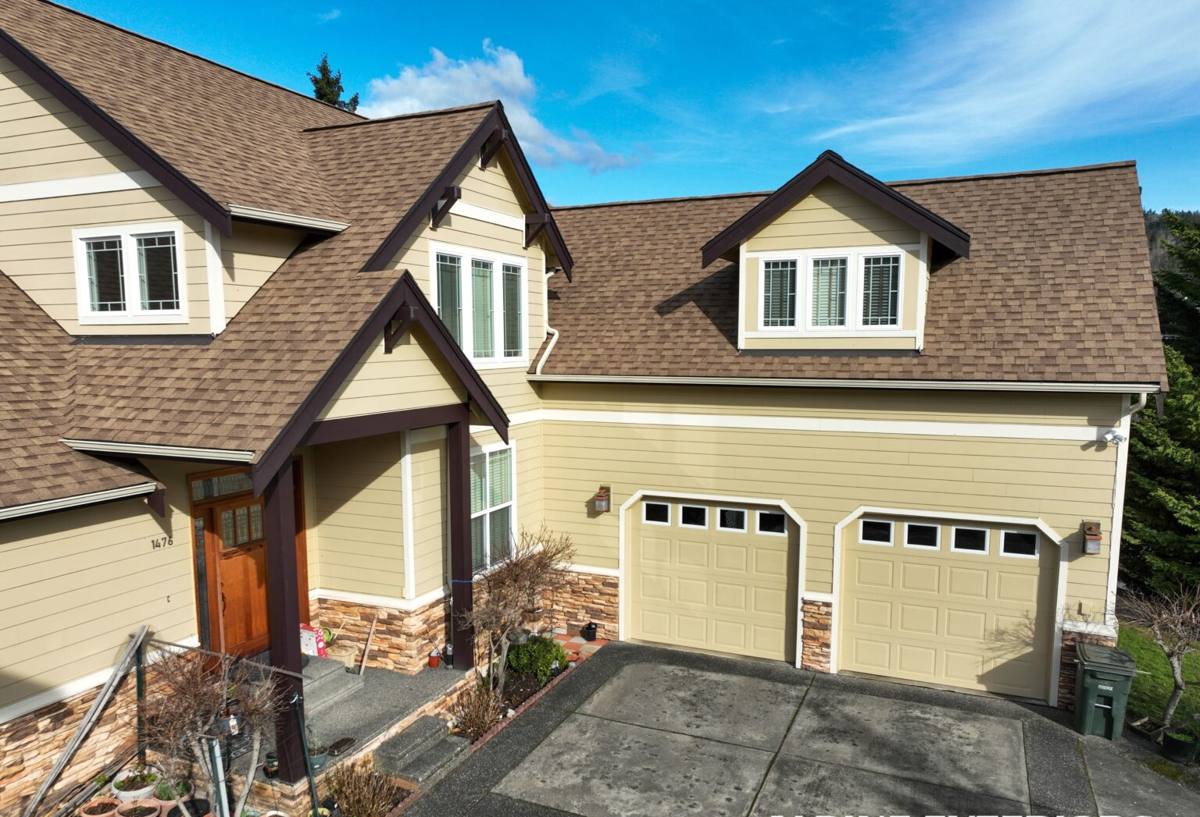
What Sandy Point's Climate Does to a Roof
Salt Air and Metal Fatigue
Salt in the air accelerates corrosion on anything metal — nails, flashing, drip edge, vent stacks, and the fasteners holding your shingles down. Standard electro-galvanized fasteners can start showing rust streaks on a shingle roof within a handful of years this close to the water. That corrosion isn't just cosmetic; once a fastener weakens, the shingle above it loses its grip, and that's how you get lifted tabs and leaks that show up long before the shingles themselves are worn out.
Wind-Driven Rain
Storms coming off the water don't just drop rain straight down — they push it sideways, under tabs and up against flashing that would stay dry in a calmer inland location. This matters most at the places a roof is already weakest: valleys, chimney flashing, and the edges around dormers and skylights. A shingle roof that's fine in a light rain can still leak in a Sandy Point windstorm if those details weren't sealed with the exposure in mind.
Moss and Algae Season
Whatcom County's damp, mild winters and the shade from mature trees on many Sandy Point lots create ideal conditions for moss and black algae streaking. Moss doesn't just look bad — its root structure lifts shingle edges and holds moisture against the roof deck, which is exactly what shortens a roof's life. North-facing slopes and anything under tree cover are the first places we check on an inspection out here.
What a Correct Job Actually Involves
A shingle roof is a system, not a single product. In a coastal, tree-shaded location like Sandy Point, every layer of that system needs to be chosen for this environment, not the cheapest option that would pass anywhere.
- Fasteners and flashing: stainless steel or heavy-gauge coated fasteners and flashing instead of standard galvanized, to resist salt corrosion over the life of the roof
- Underlayment: a synthetic underlayment rated for high wind and moisture exposure, not builder-grade felt
- Ice and water shield: self-adhering membrane at eaves, valleys, and around every roof penetration — the spots where wind-driven rain finds its way in
- Shingle wind rating: a product rated for the higher wind speeds this area sees during winter storms, with the manufacturer's recommended fastening pattern followed exactly
- Algae-resistant granules: shingles with copper or zinc-infused granules that actively resist algae growth, particularly on shaded slopes
- Ventilation: balanced intake and exhaust so moisture doesn't get trapped in the attic, feeding rot and mold from the inside while moss works on the outside
Our Process on a Sandy Point Roof
1. Inspection and Deck Check
We start by walking the roof and checking the decking underneath, not just the shingles. On homes near the water, we pay particular attention to any soft spots around valleys, chimneys, and eaves — the places moisture accumulates first. If the deck has any rot or delamination from long-term moisture exposure, it gets replaced before anything else happens; shingles are only as good as what they're nailed to.
2. Tear-Off and Prep
Full tear-off to bare decking on every job — no roofing over old shingles. That's the only way to actually inspect the deck and catch problems before they're covered up again for another 20 years.
3. Underlayment and Water-Shedding Details
Ice and water membrane goes down first at every vulnerable point — eaves, valleys, penetrations, and low-slope transitions — followed by synthetic underlayment across the rest of the deck. This is the layer that actually keeps a home dry during a sideways rainstorm, even if a shingle ever gets damaged or lifted.
4. Flashing
New flashing at every chimney, wall intersection, and roof penetration, using corrosion-resistant material sized correctly for the job. Reused or undersized flashing is one of the most common causes of the "mystery leak" call we get on older coastal homes.
5. Shingle Installation
Shingles go down following the manufacturer's exact nailing pattern and nail count, upgraded where needed for coastal wind exposure. We don't cut corners on nail count to save time — it's the difference between a roof that sheds a storm and one that loses tabs in it.
6. Ventilation and Ridge Detail
We check and correct attic ventilation as part of every re-roof, adding or adjusting ridge and soffit venting so the attic can breathe. Poor ventilation is a quiet cause of premature shingle failure and one that's easy to fix while the roof is already open.
7. Final Walkthrough
Cleanup, magnetic sweep for stray fasteners, and a walkthrough so you know exactly what was done and what to watch for going forward.
Comparing Shingle Options for a Sandy Point Home
| Shingle Type | Typical Lifespan Here | Best For | Cost Factor |
|---|---|---|---|
| Standard 3-tab | 15–20 years, often less near the water | Budget-driven projects, secondary structures | Lowest upfront cost |
| Architectural (laminate) | 20–30 years with proper ventilation | Most Sandy Point homes — better wind rating and thicker profile | Moderate |
| Algae-resistant architectural | 20–30 years, better appearance retention on shaded slopes | Homes with tree cover or a north-facing roof plane | Small premium over standard architectural |
| Impact/high-wind rated premium | 25–30+ years | Full waterfront exposure or homeowners prioritizing longevity | Highest upfront cost, often longer warranty |
For most Sandy Point homes, an algae-resistant architectural shingle is the practical middle ground — it costs noticeably less than premium impact-rated products but resists the moss and streaking problems that are almost guaranteed here over a standard shingle's lifespan.
Signs Your Roof Needs Attention
- Granules collecting in gutters or at the base of downspouts
- Dark streaking or visible moss patches, especially on shaded or north-facing slopes
- Curling, cupping, or lifted shingle edges
- Rust staining around nail heads or flashing
- Daylight visible through the attic decking, or damp insulation
- Missing or damaged shingles after a windstorm
- Sagging along a ridge or valley line
Why Local Experience Matters for This Job
A roofing crew that mainly works drier, inland areas doesn't always think to upgrade fasteners for salt exposure, or to spec algae-resistant shingles on a shaded slope, because those aren't problems they deal with every day. Working Sandy Point and the rest of the Blaine area regularly means we already know which slopes are going to hold moss, which details need extra attention against wind-driven rain, and which materials are worth the small upgrade in cost versus the ones that aren't.
Many shoreline and gated communities in this part of Whatcom County also have architectural review guidelines or an association that weighs in on exterior changes, including roofing color and material. If Sandy Point's community has requirements like that, we can work within them — it's worth checking before material selection so there are no surprises partway through the project.
Maintenance That Actually Extends Roof Life Here
A correctly installed asphalt shingle roof in Sandy Point still benefits from a little seasonal attention, given the moss and salt exposure:
- Keep gutters clear so water isn't backing up under the eaves during heavy rain
- Trim back overhanging branches to reduce shade and debris buildup on the roof surface
- Have moss physically removed rather than power-washed off, which can strip granules and shorten shingle life
- Schedule a visual inspection after any major windstorm
- Address small flashing or fastener issues promptly, before they become deck-level problems
Warranty and What It Actually Covers
Shingle manufacturers typically offer a materials warranty, and we back our workmanship separately — the two aren't the same thing, and it's worth understanding the difference before you sign anything. A materials warranty covers defects in the shingle itself; it generally won't cover a leak caused by an installation shortcut like an under-nailed shingle or reused flashing. That's why the installation details above matter as much as the shingle brand you choose — the best shingle on the market still fails early if it isn't installed to spec for this environment.
Get a Straight Answer for Your Roof
If you're seeing granule loss, moss, or a roof that's simply reaching the age where it's worth a second opinion, we're glad to take a look and give you an honest read on where things stand — no pressure, no upsell on work you don't need. Request a free estimate using the form below, and we'll walk your roof and talk through what actually makes sense for your Sandy Point home.