 Blaine Siding
 Siding Replacement Built for the Peace Arch Climate
Homes near the Peace Arch area of Blaine sit right where Whatcom County's marine climate is at its most aggressive. This close to the water and the international border, siding takes a combined hit from salt-laden air, wind-driven rain, and a moss season that can run eight months or longer. A siding replacement here isn't just a cosmetic upgrade — it's a chance to correct water management and material choices that weren't built for this specific exposure. This page covers what Peace Arch homes actually need from a siding replacement, what a correct installation involves, and why we install only one product system on every home we work on.
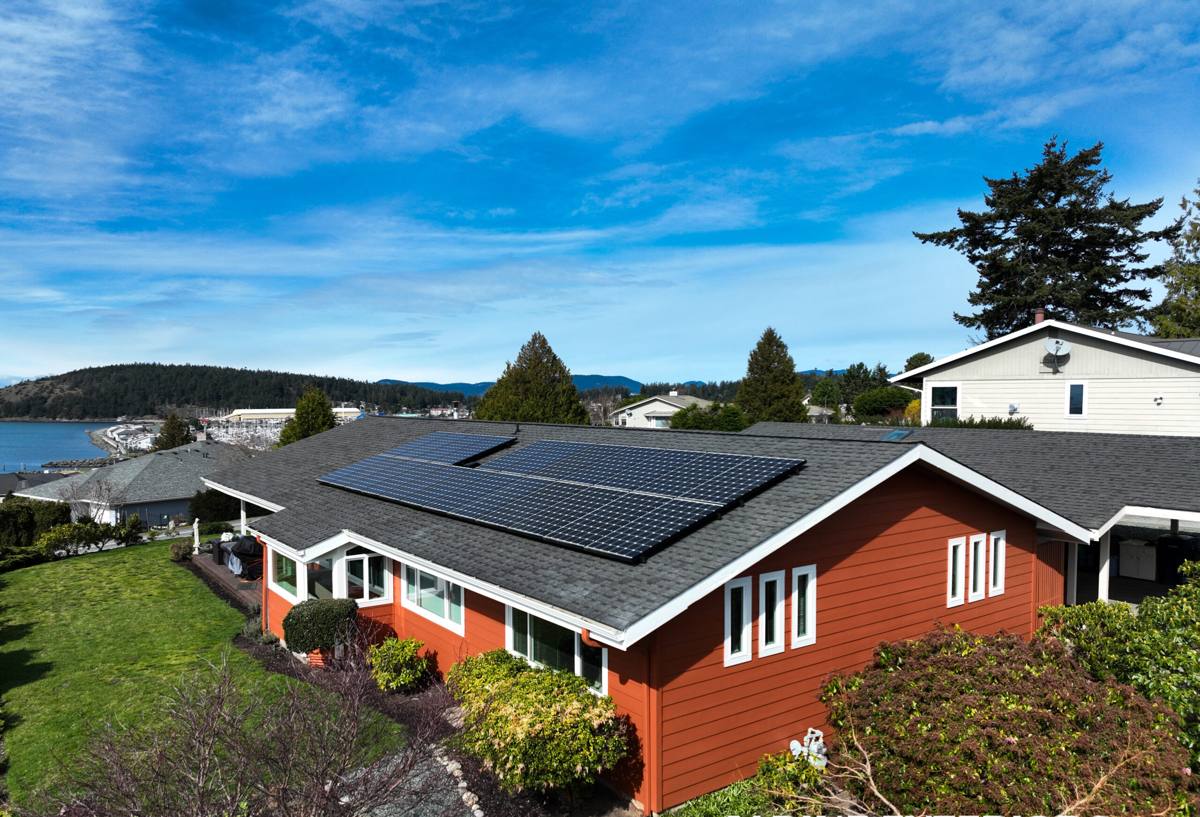
What Makes Peace Arch Tough on Exterior Siding
Salt Air and Corrosion
Proximity to saltwater accelerates corrosion of fasteners, flashing, and any metal trim that isn't rated for coastal exposure. Siding systems that rely on unprotected steel fasteners or thin aluminum trim tend to show rust streaks and pitting years before they would inland. This is one reason fastener selection and flashing material matter as much as the siding panel itself.
Driving Rain and Wind-Driven Moisture
Storms moving in off the water don't just drop rain straight down — wind pushes it sideways, forcing water into laps, seams, and butt joints that would stay dry in a calmer climate. Siding that isn't installed with the right overlaps, gaps, and drainage plane behind it will eventually let that moisture reach the sheathing, and once that happens, the damage is happening where you can't see it.
The Long Moss Season
Shade, moisture, and mild temperatures give moss and algae a long growing window in this part of Whatcom County. Moss holds water against a surface far longer than open air would, which is hard on any siding material that isn't dimensionally stable or that absorbs moisture readily. Left unchecked, it also traps organic debris in siding laps, which accelerates wear at exactly the joints that are already the hardest to keep watertight.
Signs Your Peace Arch Home Needs Siding Replacement
Not every siding problem calls for full replacement, but certain signs point to a system that's failed rather than a spot repair that will hold.
- Soft or spongy spots when you press on the siding, especially near the bottom courses and around windows
- Persistent moss or dark staining that comes back within weeks of cleaning
- Visible cupping, warping, or delamination of boards or panels
- Paint that's failing evenly across large areas rather than in one or two spots
- Gaps opening up at butt joints, corners, or trim where caulk keeps failing
- Rust streaking from fasteners or trim, or corroded flashing at window heads
- Interior signs — musty smell, peeling interior paint, or soft drywall near exterior walls
One or two of these can sometimes be addressed locally. Several at once, especially combined with visible sheathing damage during a closer inspection, usually means the whole wall assembly needs to come off and be rebuilt correctly.
What a Correct Siding Replacement Job Actually Involves
Inspecting What's Behind the Old Siding
Tear-off is where the real information shows up. Once the old siding is off, we check the sheathing for soft spots, check the water-resistive barrier for gaps or improper laps, and confirm that window and door flashing was actually installed correctly the first time. Any compromised sheathing gets replaced before new siding goes on — covering damaged sheathing with new siding just hides the problem for a few more years.
Flashing and Water Management Details
In a climate that pushes rain sideways, flashing details make or break how long a siding job lasts. That means correctly lapped house wrap, properly integrated flashing at every window and door, kick-out flashing where rooflines meet walls, and a drainage gap that lets any moisture that does get behind the siding find its way back out instead of sitting against the sheathing.
Fastening and Clearances
Siding needs to be fastened according to the manufacturer's specification for wind exposure and substrate — not just nailed on wherever it's fast. It also needs proper clearance from grade, decks, roof lines, and other siding-to-trim intersections so water has somewhere to go instead of wicking up into the bottom of the boards. These details are invisible once the job is finished, but they're the difference between siding that lasts twenty-plus years and siding that fails in five.
Why We Install Only James Hardie Fiber Cement
We standardized on James Hardie fiber cement siding and don't install vinyl, LP SmartSide, or other fiber cement brands. That's a deliberate decision, not a sales preference. Fiber cement is non-combustible, which matters in a region where wildfire smoke and ember exposure are an increasing part of the conversation around home protection. It's dimensionally stable, so it doesn't cup, warp, or swell the way wood-based or engineered wood products can when they take on moisture repeatedly — which is exactly what happens in a climate with this much rain and this long a moss season.
James Hardie also builds region-specific product lines engineered for different climate zones. For a marine environment like Blaine's, that means an HZ5 formulation designed to resist moisture damage in wetter, more humid conditions, rather than a generic all-climate product. The factory-applied ColorPlus finish is baked on and warranted separately from the substrate, which means the color coat is engineered to hold up against UV and moisture cycling rather than relying on field-applied paint that starts breaking down the moment it's exposed to salt air and driving rain. The backing warranty is transferable to a future homeowner, which matters if you plan to sell the house down the road.
None of this means other products are worthless — vinyl and engineered wood sidings have their place and their price point. But once we saw the specific way this coastal climate wears down maintenance-heavy materials, we made a standard: every home we side gets James Hardie fiber cement, installed to the manufacturer's specification, every time.
Our Siding Replacement Process for Peace Arch Homeowners
- On-site assessment. We walk the exterior, check for soft spots and moisture signs, and look at the specific exposure your home has to prevailing wind and rain direction.
- Written estimate. You get a clear scope of work — what's being removed, what's being repaired underneath, and exactly which Hardie product and color you're getting.
- Tear-off and sheathing inspection. Old siding comes off, sheathing gets inspected board by board, and any compromised material is flagged and replaced before we move forward.
- Water-resistive barrier and flashing. New house wrap goes on correctly lapped, with flashing integrated at every penetration, window, and door.
- Hardie installation to spec. Panels or planks go on with the correct fastener schedule, joint treatment, and clearances for this climate.
- Final walkthrough. We go over the finished job with you, including caulking, trim details, and touch-up paint where needed.
What Siding Replacement Costs and What Drives the Price
Every home is different, but the same handful of factors drive cost up or down on most Peace Arch siding replacement projects.
| Factor | Why It Matters |
|---|---|
| Extent of sheathing damage found at tear-off | Hidden rot or soft sheathing has to be replaced before new siding goes on, which adds material and labor |
| Home size and wall complexity | More corners, gables, and dormers mean more cutting, flashing, and labor time |
| Siding profile chosen | Lap siding, panel siding, and shingle-style Hardie products carry different material and install costs |
| Trim and accessory scope | Replacing trim, fascia, or soffits alongside siding adds cost but avoids mismatched materials later |
| Access and site conditions | Steep grades, tight lot lines, or limited equipment access can affect labor time |
We won't quote a number without seeing the home, but we'll always explain what's driving the price on your specific estimate — no vague allowances.
Why Hiring a Crew That Already Works Peace Arch Matters
A contractor who regularly works in the Blaine area already understands the exposure this part of Whatcom County deals with — the salt air, the wind direction storms typically come from, and how long moss actually takes to become a real problem here versus somewhere drier. That translates into practical decisions on your job: which side of the house needs the most attention to flashing, where moss is likely to come back if trim details aren't tight, and how to sequence a tear-off around this area's weather patterns instead of guessing. Local experience doesn't replace following manufacturer specification — it means the crew already knows where that specification matters most on a home like yours.
If your siding is showing wear, or you're just not sure whether what you're seeing is cosmetic or structural, we're happy to take a look. Reach out for a free, no-pressure estimate using the form below — we'll walk the exterior, answer your questions honestly, and give you a clear picture of what your home actually needs.