 Blaine Siding
 Building a Deck That Belongs in Blaine Harbor
Blaine Harbor sits right where the Strait of Georgia meets Semiahmoo Bay, which means homes here take on a steady diet of salt-laden air, wind-driven rain, and long stretches of gray, damp weather that keep every outdoor surface wet far longer than it would be even a few miles inland. A deck built for a dry-climate spec sheet doesn't hold up here. A deck built with this specific stretch of Whatcom County shoreline in mind does. That's the difference we aim for on every composite decking project in this neighborhood.
This page covers what composite decking actually needs to survive Blaine Harbor's climate, what a correctly built deck involves from the ground up, and how we approach the job when we're working this specific area.
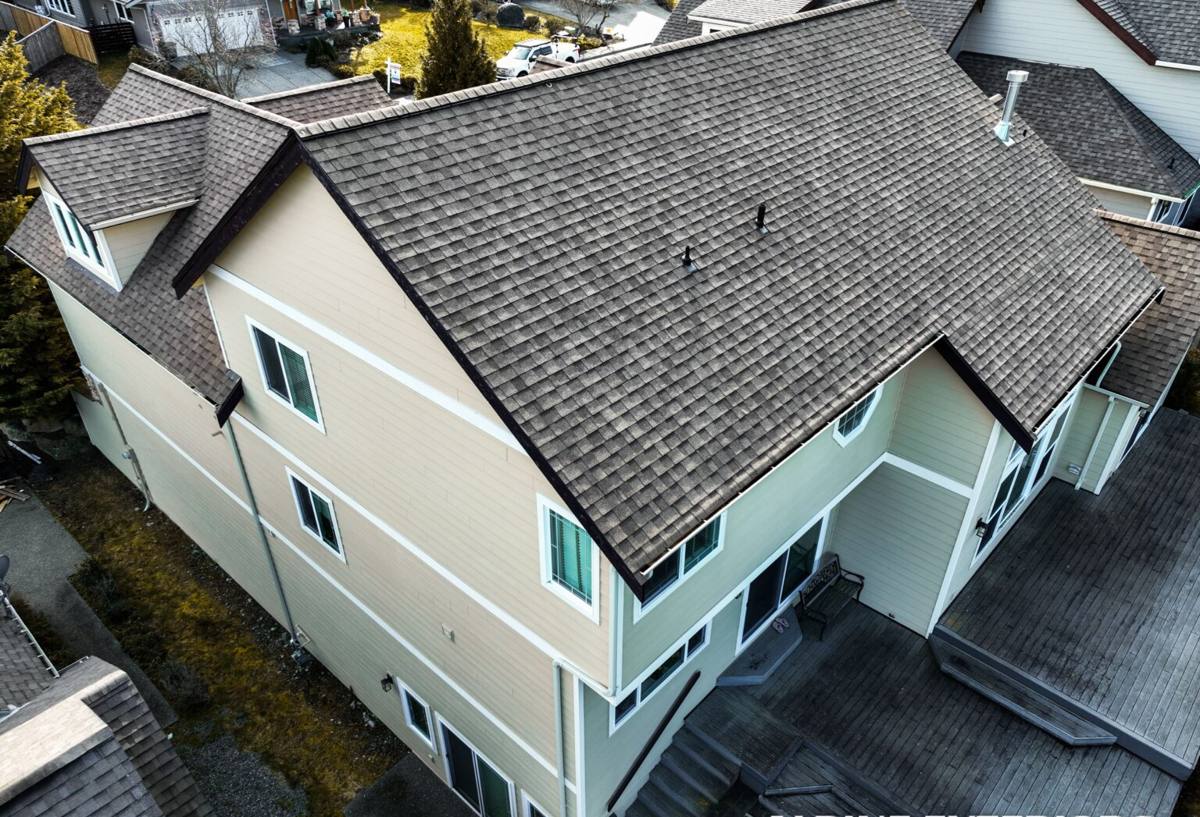
What Blaine Harbor's Climate Actually Does to a Deck
Salt Air
Proximity to the harbor means airborne salt settles on every exposed surface — decking, railings, and especially metal fasteners and hardware. Salt accelerates corrosion on anything that isn't rated for it, and it can dull or discolor finishes over time. This is one of the biggest reasons hardware selection matters as much as the decking material itself in this location.
Driving Rain
Storms coming off the Strait don't just fall straight down — they drive sideways into siding, railings, and stair stringers. That means water finds its way into joints, fastener heads, and end cuts that would stay dry in a calmer climate. Drainage and proper board spacing aren't optional details here; they're what keeps a deck from trapping moisture against the structure underneath.
The Long Moss Season
Whatcom County's wet season stretches long, and shaded or north-facing decks in Blaine Harbor can stay damp for weeks at a time. That's exactly the environment moss and algae need to take hold. Once moss establishes itself on a deck surface, it holds moisture against the boards, can make the surface slippery, and is genuinely difficult to remove without damaging some materials.
Why Composite Makes Sense for This Location
Wood decking can absolutely be done well, but it demands a level of ongoing sealing and inspection that a lot of homeowners don't have time for — and in a climate this wet, gaps in that maintenance show up fast as splitting, cupping, or rot at fastener holes. Composite decking, particularly capped composite, gives Blaine Harbor homeowners a surface that doesn't absorb water into the board core, doesn't need annual staining, and resists the freeze-thaw cycling and moisture swings that are common along this shoreline.
That doesn't mean composite is maintenance-free — nothing exposed to this climate is — but it shifts the maintenance burden from "protect the material from rot" to "keep the surface clean," which is a much more manageable job for most homeowners.
What a Correct Composite Deck Installation Involves
The Substructure Comes First
The decking boards get most of the attention, but the framing underneath is what determines whether the deck lasts. On a marine-climate project like this, that means pressure-treated joists rated for ground or wet contact where applicable, joist tape or flashing tape on top of every joist to keep moisture from wicking into the wood through fastener penetrations, and a ledger board connection that's properly flashed against the house so water can't get behind the siding.
Ventilation and Drainage Underneath
A deck that sits low to grade or over a patio needs a clear path for airflow and water to escape. We check joist spacing, sub-deck clearance, and grading so water doesn't pool under the structure — standing moisture under a deck is one of the most common causes of hidden rot in framing, even when the surface boards themselves are holding up fine.
Fastener and Hardware Selection
Given the salt air, we use fasteners and structural hardware rated for coastal or corrosive environments rather than standard-grade hardware. Hidden fastener clip systems are also a good fit for composite boards in this climate, since they eliminate exposed screw heads on the deck surface — fewer entry points for water, and no rust streaking down the boards over time.
Board Spacing and Expansion Gaps
Composite boards expand and contract with temperature and moisture more than some homeowners expect. Getting the gapping right at butt joints, picture-frame borders, and against the house is what prevents buckling later. This is a detail that's easy to get wrong if a crew doesn't install composite regularly.
Choosing the Right Composite Board for Blaine Harbor
Capped vs. Uncapped
Capped composite boards have a protective polymer shell around the wood-plastic core, which shields the board from moisture absorption and staining. In a climate with this much sustained dampness and moss pressure, we generally recommend capped boards — the added upfront cost is offset by significantly less long-term maintenance and better resistance to mold and mildew staining on the surface.
Color and Grain Considerations
Darker board colors show water spotting and pollen/algae staining less than very light colors, but they also absorb more heat on sunny days. Blaine doesn't get extreme summer heat compared to inland climates, so this is less of a concern here than in hotter regions — but it's still worth factoring in in for a south- or west-facing deck. Lighter, multi-tonal boards tend to hide the day-to-day grime of a marine environment better than solid, flat colors.
Surface Texture
A textured, wood-grain embossed surface provides better slip resistance than a smooth finish, which matters on a deck that's wet as often as one in Blaine Harbor is. It's a small spec detail, but it directly affects safety, especially on stairs.
Composite vs. Other Decking Materials in This Climate
| Material | Moisture Resistance | Maintenance | Typical Lifespan Here |
|---|---|---|---|
| Pressure-treated wood | Absorbs water; needs sealing to resist it | Annual cleaning and re-sealing/staining | 10-15 years with consistent upkeep |
| Cedar | Naturally moisture-resistant but still absorbs water over time | Regular sealing; more prone to graying and moss without it | 15-20 years with consistent upkeep |
| Uncapped composite | Better than wood, but core can still take on moisture at cut ends | Periodic cleaning; watch cut ends and fastener holes | 20-25 years |
| Capped composite | Shell resists moisture absorption and staining | Routine surface cleaning only | 25-30+ years |
These are general industry ranges, not guarantees — actual lifespan depends on installation quality, board orientation, sun/shade exposure, and how consistently the deck is cleaned.
How We Approach a Blaine Harbor Composite Deck Project
1. On-Site Assessment
We look at sun and shade exposure, wind direction, proximity to the water, existing structure (if this is a re-deck), and drainage around the footprint. A shaded, north-facing deck near the harbor gets different board and airflow recommendations than a sun-exposed one on the same street.
2. Structural Check
If we're building over an existing structure or footings, we verify the framing is sound before any new decking goes down. Covering up compromised framing with new boards just hides a problem instead of solving it — we won't do that.
3. Framing and Flashing
Ledger flashing, joist protection tape, and corrosion-resistant hardware go in before a single deck board is placed. This is the stage that determines how the deck performs in ten or twenty years, even though it's invisible once the job is done.
4. Installation
Boards go down with correct spacing, hidden fasteners where specified, and attention to how each run meets railings, stairs, and the house. We check for square, level, and consistent gapping throughout.
5. Walkthrough and Cleanup
We walk the finished deck with the homeowner, cover basic care for the specific board chosen, and clean the site before we leave.
Living With a Composite Deck in a Marine, Moss-Prone Climate
Composite decking doesn't rot, but it isn't immune to the environment — surface grime, pollen, and organic buildup from a long wet season will show up on any deck material eventually. Staying ahead of it is straightforward:
- Sweep debris (leaves, needles, pollen) off the deck regularly, especially in fall — trapped organic matter is what feeds moss and mildew growth
- Rinse the deck surface periodically with a hose to clear salt residue and grime before it builds up
- Clean with a soft-bristle brush and a cleaner labeled safe for composite decking — avoid pressure washing at close range, which can damage the cap layer or drive water into board seams
- Keep gutters and downspouts near the deck clear so runoff isn't dumping extra water onto the surface or framing below
- Check fastener heads, railing hardware, and stair connections once or twice a year for early rust or corrosion, particularly on homes closest to the water
- Trim back overhanging vegetation to let more sun and airflow reach shaded sections prone to moss
What to Avoid
Avoid bleach-based cleaners on composite boards unless the manufacturer specifically approves them, since some formulations can affect the cap finish over time. Avoid letting standing water sit in low spots — if you notice pooling after a rain, it's worth having the deck's slope and drainage checked rather than assuming it will drain on its own.
Why Hiring a Crew That Already Works Blaine Harbor Matters
Composite decking installation isn't complicated in theory, but the details that make it last through a Whatcom County winter — flashing choices, hardware grade, gapping tolerances, drainage planning — are exactly the details that get skipped by crews that don't build in this climate regularly. A contractor who works Blaine Harbor knows which sides of a lot catch the worst wind-driven rain, how shaded lots hold moisture longer into spring, and what corrosion actually looks like on hardware a few years into salt air exposure. That local pattern recognition is what separates a deck that looks good at handoff from one that still looks good in year fifteen.
We also handle the parts homeowners don't want to think about — coordinating with the City of Blaine on permitting where required, sequencing the work around our wet-season weather windows, and building in the drainage and ventilation details that keep problems from developing underneath a deck that otherwise looks fine on top.
Get a Straightforward Estimate
If you're planning a new composite deck or replacing an aging one in Blaine Harbor, we're happy to come take a look, walk the site with you, and give you a clear, no-pressure estimate based on what your specific lot and exposure actually need. Fill out the form below to get started.