 Blaine Siding
 Birch Point Sits Right Where Weather Meets Wood (and Vinyl, and Everything Else)
Birch Point is one of the more exposed residential pockets in the Blaine area — close enough to the water that homes take the full brunt of what comes off the Salish Sea. That means wind-driven rain hitting walls at an angle instead of falling straight down, salt-laden air that never fully lets up, and a wet season that runs long even by Whatcom County standards. Siding here doesn't get to be an afterthought. It's the single biggest factor in whether a home stays dry, looks good, and avoids expensive repairs ten or fifteen years down the road.
We install siding across Blaine and the surrounding county, and Birch Point projects get planned differently than a job a few miles inland. The product choice, the installation details, and the maintenance expectations all shift when a house is sitting in a marine exposure zone. This page walks through what that actually means for a siding installation project on your home.
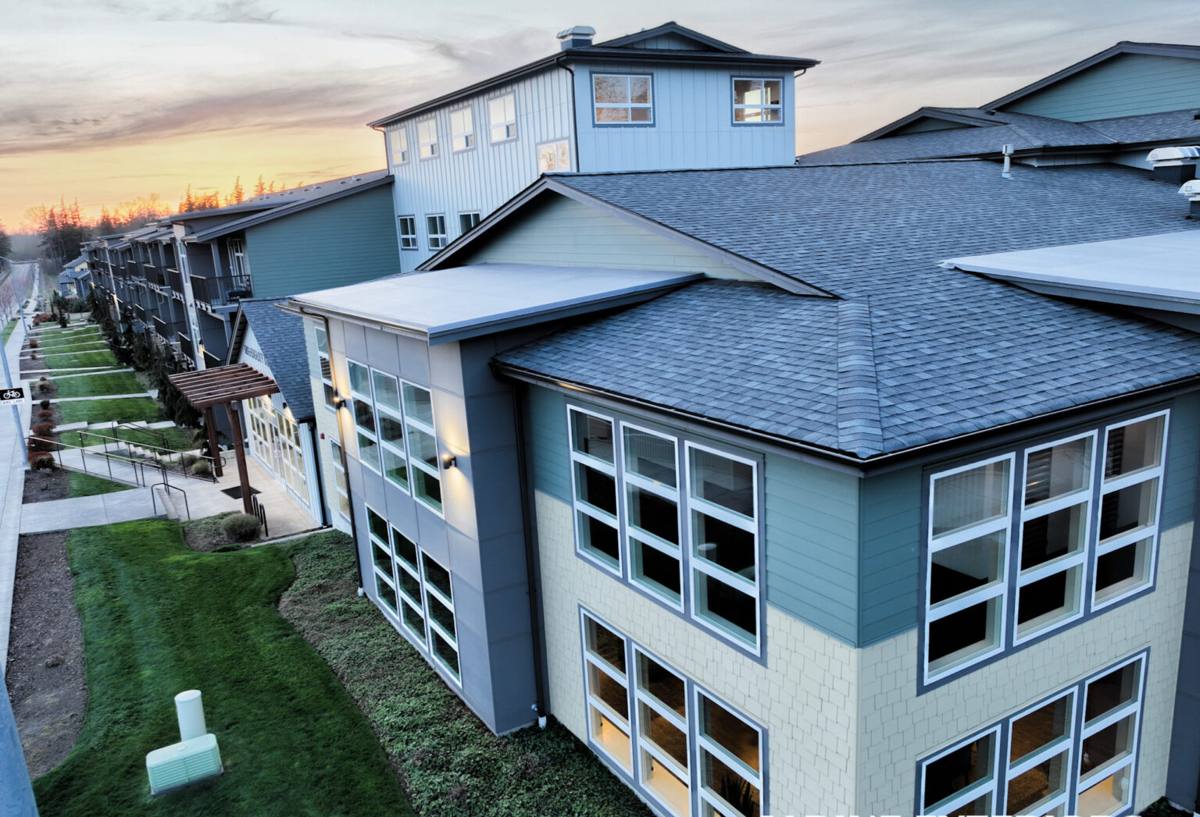
The Three Things Working Against Your Siding Year-Round
Salt Air
Airborne salt is corrosive and it doesn't take a direct ocean view to be affected by it — homes set back from the water still see salt-laden moisture carried in on the wind. Over years, that salt accelerates corrosion of exposed metal fasteners and trim, and it degrades certain paint and coating systems faster than a standard exterior paint job is built to handle. Siding material and finish both matter more here than in a drier, inland part of the county.
Driving Rain
Blaine gets plenty of rain, but the issue at Birch Point isn't just volume — it's angle and force. Wind off the water pushes rain sideways into wall assemblies, which puts real pressure on every seam, joint, and penetration in the siding system. A house that would stay dry with a mediocre installation somewhere sheltered can develop moisture problems here within a few seasons if the water management details weren't done right.
A Long Moss Season
Western Washington's damp, mild climate keeps moss and algae actively growing for a large part of the year, and the constant moisture load near the water only extends that window. Moss holds water against a surface far longer than open air would, which is exactly the condition that rots wood trim, degrades cheap coatings, and creates the black streaking homeowners hate. Siding that can shed moisture and resist organic growth without constant homeowner intervention is worth far more here than it would be in a drier climate.
What "Correct" Siding Installation Actually Involves
Siding failures are rarely about the siding material itself failing outright — they're almost always about installation details that were rushed or skipped. In a marine exposure area, the margin for error is smaller. A correct installation includes:
- A drainage plane (weather-resistive barrier) installed and lapped correctly, with every seam sealed or taped per manufacturer spec
- A rainscreen gap behind the siding so any moisture that gets past the cladding can drain and dry instead of sitting against the wall sheathing
- Properly flashed windows, doors, and every penetration — hose bibs, vents, light fixtures — before a single piece of siding goes up
- Correct fastener type, spacing, and placement per the manufacturer's engineering, not just "close enough"
- Factory-finished panels installed with the manufacturer's specified gaps and clearances, especially at grade and at trim intersections
- Caulking and sealant used only where the manufacturer calls for it — over-caulking traps moisture just as badly as under-caulking lets it in
None of this is exotic. It's basic building science that's been well understood for decades. The problem is that it takes longer to do correctly, and it's invisible once the siding is up — which is exactly why it gets skipped on jobs where speed is prioritized over the wall assembly's long-term performance.
Why We Install Only James Hardie Fiber Cement
We made a deliberate decision as a company to install James Hardie fiber cement siding exclusively. We don't install vinyl, LP SmartSide, primed wood, cedar, or other fiber cement brands. That's not a marketing position — it's a standard we hold because of what we've seen happen to siding systems in exactly this kind of coastal, high-moisture climate.
James Hardie's fiber cement is non-combustible, dimensionally stable in wet-dry cycling, and available in HZ5 and HZ10 formulations engineered specifically for different climate zones — HZ10 is built for the wetter, harsher conditions found in the Pacific Northwest. The factory-applied ColorPlus finish is baked on under controlled conditions and backed by its own finish warranty, which matters in an environment where field-applied paint takes a beating from salt air and constant moisture. The product also carries a strong transferable limited warranty, which protects the investment if the home changes hands.
That doesn't mean other products are without merit. Vinyl is inexpensive and low-maintenance in mild climates; engineered wood products have a warmer, more traditional look; cedar has real aesthetic appeal for the right buyer. But in a driving-rain, salt-air, moss-heavy environment like Birch Point, we've standardized on the one product system that consistently holds up to spec without asking the homeowner to fight the climate every year.
How Siding Options Compare in This Climate
| Factor | James Hardie Fiber Cement | Vinyl | Engineered Wood / Cedar |
|---|---|---|---|
| Moisture behavior | Dimensionally stable, resists swelling and warping | Doesn't absorb water, but can warp or buckle from heat and impact | Absorbs moisture; requires intact coating to resist rot |
| Salt air resistance | Factory finish holds up well; material doesn't corrode | Can chalk and fade faster under UV and salt exposure | Coatings degrade faster; more frequent recoating needed |
| Moss / algae resistance | Smooth factory finish sheds growth better than porous surfaces | Fair, but seams and laps can trap debris | More porous surface, prone to moss and mildew staining |
| Fire resistance | Non-combustible | Combustible, can melt or deform near heat sources | Combustible |
| Maintenance | Occasional wash, repaint only if desired decades out | Low, but limited repair options if damaged | Regular recoating/staining required to prevent rot |
| Typical lifespan when installed to spec | Decades, with strong transferable warranty | Long, but performance can decline with UV/impact damage | Shorter without diligent upkeep |
Our Process for a Birch Point Project
Every siding installation starts with an honest look at what's actually happening on your walls, not a generic bid.
1. Assessment
We walk the exterior, check for existing moisture damage, evaluate the current wall assembly, and look specifically at exposure — which walls take the worst of the wind-driven rain and salt air, since that changes detailing decisions in specific spots.
2. Tear-Off and Prep
Old siding and trim come off, and we inspect sheathing underneath for rot or damage before anything new goes on. This is the point where hidden moisture problems get found and fixed — covering them up would just repeat the failure.
3. Water Management Layer
Weather-resistive barrier and rainscreen system installed with attention to every seam, lap, and penetration, since this layer is what actually protects the house if wind-driven rain gets past the cladding.
4. James Hardie Installation
Panels, lap siding, or trim installed to manufacturer spec — correct fastener spacing, correct clearances at grade and trim, correct joint treatment.
5. Final Inspection
We walk the finished job against the manufacturer's installation checklist before calling it done, not just a visual once-over.
Keeping Siding Healthy in a Marine, Moss-Prone Climate
Even the right product needs a little seasonal attention in this environment. A short annual routine goes a long way:
- Rinse siding once or twice a year to clear salt residue and organic buildup before it sets in
- Trim back vegetation and tree cover that keeps siding shaded and damp longer than it needs to be
- Check caulking at trim joints and penetrations annually — sealant is the first thing to wear in this climate
- Keep gutters and downspouts clear so water isn't sheeting down walls it shouldn't be
- Watch for any dark streaking or soft spots early — they're far cheaper to address as small repairs than as full sections
Why a Crew That Already Works Birch Point Matters
Siding installation isn't one-size-fits-all across Whatcom County. A crew that treats every job the same way, regardless of exposure, will make the same generic installation choices whether the house is tucked inland or sitting exposed near the water. A crew that's done work in and around Birch Point already knows to plan for wind-driven rain angles, to size up salt exposure before choosing fastener and trim details, and to expect the moss season to run longer than it would just a few miles away. That local pattern recognition is what separates a siding job that looks fine on installation day from one that's still performing correctly a decade later.
If you're weighing a siding project for a home in the Birch Point area, we're happy to walk the exterior with you, talk through what your specific exposure calls for, and give you a straightforward, no-pressure estimate — use the form below to get started.