 Blaine Siding
 Building New on the Semiahmoo Spit Means Building for the Weather Off the Water
Semiahmoo sits right on the water, a narrow spit reaching out into Semiahmoo Bay with Drayton Harbor on one side and open water on the other. If you're framing a new home or a major addition out there, the windows are one of the few building components that have to perform against salt air, driving rain, and wind coming straight off the bay from day one — not after a few years of settling in. We install new-construction windows for homes in and around Blaine, and Semiahmoo's exposure is different enough from a typical inland Whatcom County lot that it changes how we approach the install.
This page covers what new-construction window installation actually involves, what Semiahmoo's climate asks of the window and the flashing around it, and how our process works for builders and homeowners in that area.
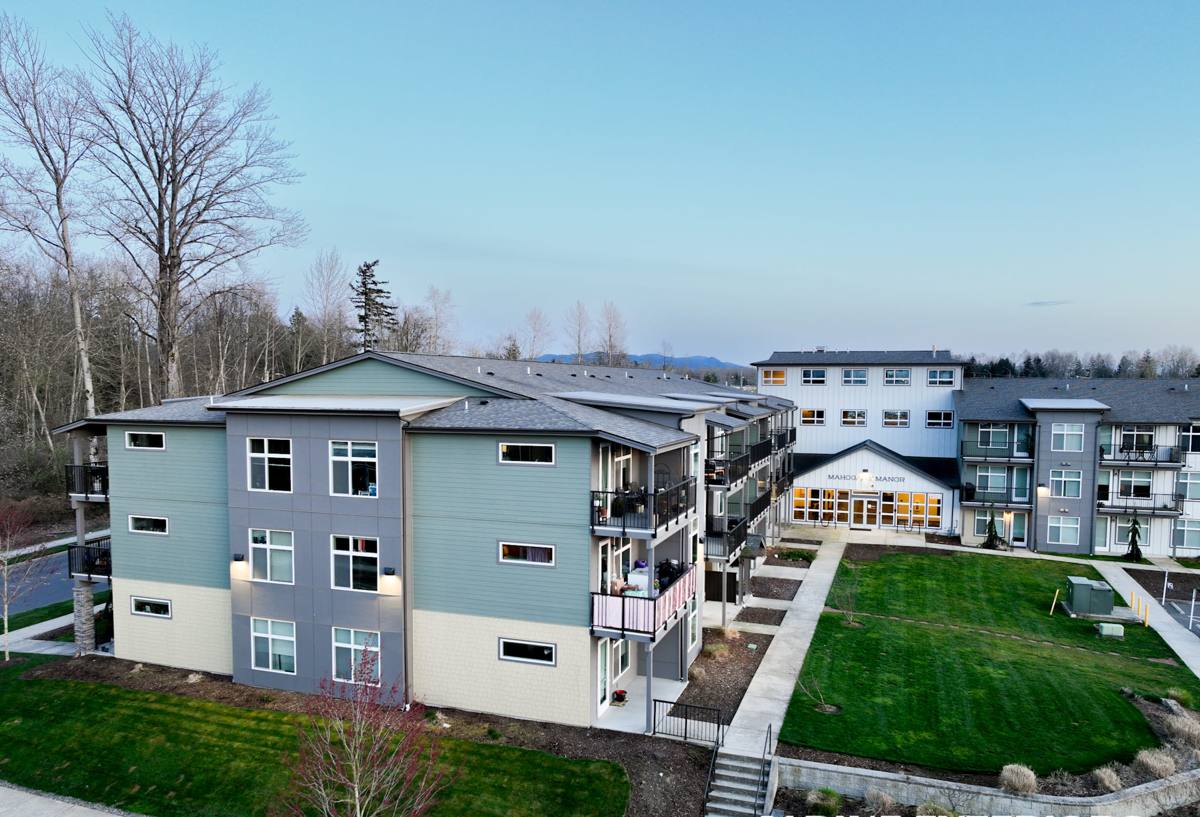
New-Construction vs. Replacement Windows — Why the Distinction Matters
"New-construction" isn't a marketing label — it describes a specific window type and installation method used when a wall is open to the studs, either in new-build framing or a full remodel down to the sheathing. New-construction windows have a nailing flange (also called a nail fin) around the perimeter that gets integrated directly into the wall's weather-resistive barrier and flashing system before siding goes on. That's different from a replacement or retrofit window, which is sized to fit into an existing finished wall opening without disturbing the siding.
Why This Matters for a Waterfront Build
On a standard inland lot, a slightly imperfect flashing detail might go unnoticed for years. On a spit exposed to wind-driven rain off the bay, water finds any gap in the drainage plane quickly — often within a single wet season. New-construction installs give us access to the full wall assembly, which means the flashing, the weather-resistive barrier laps, and the sill pan can all be built correctly the first time, rather than worked around after the fact.
What Semiahmoo's Climate Actually Demands from a Window Install
Salt Air and Corrosion
Homes close to Semiahmoo Bay and Drayton Harbor are exposed to salt-laden air more consistently than homes further inland in Whatcom County. Over time, salt air accelerates corrosion on unprotected fasteners, hardware, and certain metal flashing types. This is a material-selection issue as much as an installation one — we pay attention to fastener coatings and flashing metals on waterfront jobs specifically because of this exposure.
Wind-Driven Rain
Open water means wind, and wind turns ordinary rain into wind-driven rain that gets pushed sideways and upward against a wall — including under trim and behind poorly lapped flashing. A window flange that's taped or flashed with the laps running the wrong direction, or a sill pan that doesn't slope water back out, will leak on a site like this far sooner than it would on a sheltered lot.
The Long Wet, Mossy Season
Whatcom County's wet season runs long, and constant dampness plus shade encourages moss and algae growth on siding, trim, and window sills. Moss holding moisture against a sill or trim board keeps wood wet for extended periods, which is what actually causes rot — the moss itself is more a symptom of a damp microclimate than the root cause. Detailing the window and trim so water sheds cleanly, rather than pooling or wicking, matters more here than it does in a drier part of the state.
What a Correct New-Construction Window Install Involves
A window is only as good as the opening it's set into. On a Semiahmoo build, we treat every opening as a small drainage system, not just a hole for the unit to sit in.
- Sill pan flashing installed at the base of the rough opening, sloped so any water that gets past the window drains back outside the wall, not into the framing.
- Weather-resistive barrier integration with correct shingle-lap sequencing — each layer overlaps the one below it so water is always directed outward and down.
- Window flange taped or flashed on the sides and top using materials compatible with both the WRB and the window manufacturer's requirements (mixing incompatible tapes and housewraps is a common source of adhesion failure).
- Corrosion-appropriate fasteners for the flange and trim, given the salt-air exposure near the water.
- Shimming and squaring the unit in the opening before fastening, so the sash operates correctly and weatherstripping seals evenly for the life of the window.
- Insulation and air-sealing around the frame gap with a low-expansion foam or backer rod rated for window installation, avoiding both drafts and frame bowing from over-filled foam.
- Interior and exterior trim set with a gap or sealant joint that allows for seasonal movement without cracking or trapping water.
Window Materials for a Bay-Facing Home
Material choice is a real trade-off decision, not a one-size answer, and it matters more on an exposed waterfront lot than it does further inland.
| Material | How It Handles This Climate | Maintenance |
|---|---|---|
| Vinyl | Good moisture resistance, no corrosion risk; performs reliably in salt air. Can expand/contract more with temperature swings. | Low — occasional cleaning, no painting |
| Fiberglass | Very stable dimensionally, strong resistance to moisture and salt exposure; holds paint well if a custom color is wanted. | Low to moderate |
| Wood-clad (exterior clad) | Warm interior look, but the exterior cladding and any exposed fasteners need attention in salt air; sill details are critical to keep wood dry. | Higher — cladding and sealant joints need periodic inspection |
| Aluminum | Strong and slim sightlines, but bare aluminum is more prone to corrosion near salt water unless properly finished/anodized. | Moderate — finish quality matters a lot here |
We don't push one brand or material as the only right answer — we'll walk through what fits the home's design, the budget, and the fact that it's sitting near open salt water, and let the trade-offs guide the decision rather than a sales pitch.
What Drives the Cost on a New-Construction Job
Pricing for new-construction window installation is genuinely project-specific, but a few factors move the number more than others.
| Cost Factor | Why It Matters |
|---|---|
| Window size and count | Larger units and more openings mean more material and labor hours, straightforward but often the biggest line item. |
| Material and glazing package | Vinyl, fiberglass, and wood-clad carry different price points; upgraded glazing (impact-rated, higher-performance low-E) adds cost. |
| Flashing and detailing complexity | Waterfront exposure often calls for more careful flashing work and sometimes additional flashing materials — worth the cost given what's at stake. |
| Wall height and access | Second-story or hard-to-access openings on multi-story waterfront homes take more setup time. |
| Coordination with the builder's schedule | Window install has to land at the right point in the framing sequence — scheduling flexibility affects overall project cost. |
We'll give a written, itemized estimate before any work starts — no vague allowances, so you know exactly what you're paying for and why.
How We Work on Semiahmoo New Builds
Because most of Semiahmoo is new construction or major remodel work, we coordinate closely with builders and general contractors rather than working in isolation.
- Plan review: we look at the window schedule and rough opening sizes before the walls are even framed, catching sizing or spec issues early.
- Site visit and framing check: we confirm rough openings are square, correctly sized, and ready before the windows arrive.
- Install: sill pans, WRB integration, flashing, and window setting, following manufacturer instructions to keep warranty coverage intact.
- Inspection and sign-off: every opening gets checked for square, level, proper operation, and weathertight flashing before we call it done.
- Coordination with siding: we hand off clean, properly flashed openings so the siding crew — us or otherwise — isn't fighting a bad install later.
Why a Crew That Already Works This Area Matters
Semiahmoo isn't a typical Blaine lot — it's a narrow, water-exposed spit where the wind direction, salt exposure, and drainage challenges are more pronounced than a few miles inland. A crew that's already worked this specific stretch of Whatcom County knows to size up fastener corrosion resistance without being asked, to expect wind-driven rain from a particular direction, and not to treat a waterfront sill detail the same as an inland one. That local pattern-recognition is the difference between a window that's technically installed and one that's actually built for where it sits.
We're a Blaine-based crew, and Semiahmoo is part of our regular service area — not a special trip.
Ready to Talk Through Your Project?
If you're framing a new home or addition near Semiahmoo, we're happy to look at your window schedule and rough openings and walk you through material options, flashing details, and a straightforward cost estimate — no pressure, no obligation. Fill out the form below to get started.