 Blaine Siding
 Why Semiahmoo Homes Need a Metal Roof Built for the Coast
Semiahmoo sits right on the water, and that changes what a roof has to deal with year after year. Homes here take on salt-laden air off the bay, wind-driven rain that comes in sideways during winter storms, and long stretches of shade and dampness that keep moss thriving most of the year. A roofing product that performs fine ten miles inland can struggle here. Metal roofing, installed correctly, is one of the few systems that holds up to all three of those pressures at once — but "installed correctly" is doing a lot of work in that sentence. A metal roof is only as good as its flashing details, fastener choices, and underlayment, and on a waterfront property those details matter more than they do almost anywhere else in Whatcom County.
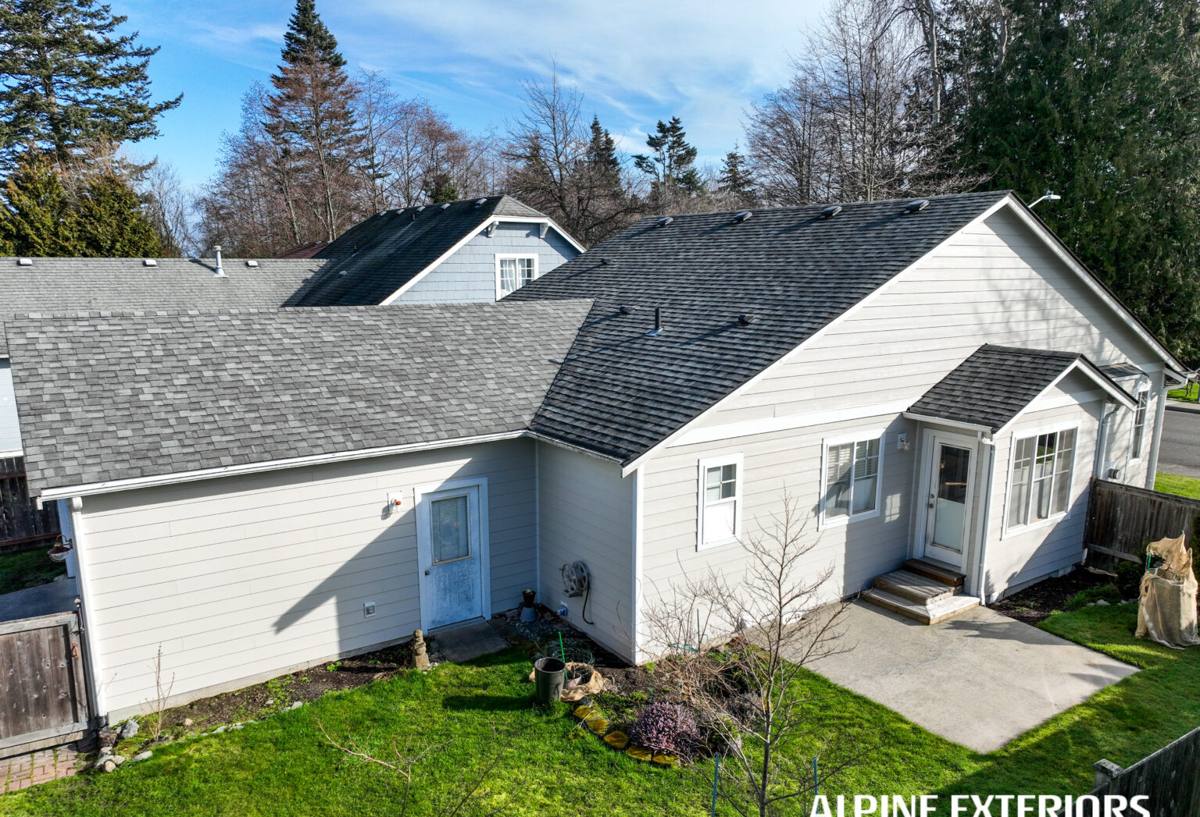
What Semiahmoo's Climate Actually Does to a Roof
Salt Air and Corrosion
Proximity to Semiahmoo Bay means airborne salt is a constant, low-level presence on this peninsula. It settles on exposed metal, on fasteners, on flashing, and over years it will find any weak point in a coating or any spot where dissimilar metals were allowed to touch. This is the single biggest reason a generic roofing spec doesn't belong on a Semiahmoo home — the coating system and hardware need to be chosen with salt exposure in mind from day one, not treated as an afterthought.
Driving Rain and Wind
Storms off the water tend to push rain horizontally, not straight down. That means water gets tested at every seam, every penetration, and every edge detail on a roof — places a calm-weather roof might never have to defend. Roofing systems and flashing methods that rely on gravity alone to shed water are more likely to leak here than in a sheltered inland yard.
Moss, Shade, and Standing Moisture
Whatcom County's wet season runs long, and many Semiahmoo lots carry mature trees and coastal fog that keep roof surfaces damp well after a storm has passed. That combination is exactly what moss needs to take hold. On asphalt shingles, moss roots into the granules and lifts them over time. Metal doesn't give moss the same foothold, but a poorly designed metal roof — one with flat panel runs, weak ventilation, or debris-catching details — can still hold enough moisture to grow moss in the seams and at the eaves.
Why Metal Roofing Performs Well in This Environment
Metal roofing isn't the right choice for every home or every budget, but for a property exposed to salt air and heavy rain, it offers real advantages when it's specified correctly:
- Steep, continuous panel runs shed wind-driven rain faster than a roof surface interrupted by shingle tabs and exposed edges.
- A hard, sealed panel surface gives moss far less to grip onto compared to a granulated shingle surface.
- Quality coatings are formulated specifically to resist coastal corrosion, not just general weathering.
- Panel systems shrug off wind uplift better than shingles when they're fastened and sealed to spec.
- A properly installed metal roof has a long service life, which matters on a property where reroofing means dealing with scaffolding, marine-grade fasteners, and coastal access logistics all over again.
None of that happens automatically just because the roof is metal. The wrong panel gauge, the wrong fastener metal, or a skipped underlayment step can undercut every one of those advantages.
Choosing the Right Metal Roofing System for a Waterfront Property
Not all metal roofing is built the same way, and the differences matter more on a salt-exposed lot than on a typical inland roof. Here's how the common systems compare for a Semiahmoo application:
| System | How It Sheds Water | Coastal Durability | Best Fit |
|---|---|---|---|
| Standing seam (concealed fastener) | Raised interlocking seams, no exposed screw holes | Strongest option for salt air and driving rain | Full waterfront exposure, long-term ownership |
| Exposed-fastener panel | Screws through the panel face into the deck | Fastener seals need regular inspection near the water | Budget-conscious projects, outbuildings, less exposed roof faces |
| Metal shingle or shake panel | Interlocking shingle-style panels | Good moss and rain resistance, more seams than standing seam | Homeowners who want a traditional look with metal performance |
For the most exposed roof faces on a Semiahmoo home — generally the sides taking the brunt of wind off the bay — we lean toward standing seam because it has no exposed fastener heads for salt and water to work on over time. On less exposed slopes, or where budget is a bigger factor, a well-installed exposed-fastener or metal shingle system can still be the right call.
Coatings and Fasteners Matter as Much as the Panel
Two roofs using the same panel profile can perform very differently based on the coating system and hardware behind them. In a salt-air environment, we pay close attention to:
- Substrate and coating — a coating rated for coastal or marine exposure, not just a standard residential finish.
- Fastener metal — hardware compatible with the panel metal so you don't get galvanic corrosion where two dissimilar metals meet.
- Sealant quality — sealants that stay flexible through freeze-thaw cycles and repeated wetting, rather than hardening and cracking within a few seasons.
What a Correct Metal Roof Installation Involves
A metal roof is a system, not just a layer of panels. On a Semiahmoo home, we treat every one of these steps as non-negotiable:
Deck and Underlayment
We check the roof deck for soft spots or moisture damage before anything goes on top of it — a common issue on older coastal homes where a prior roof let water in slowly over years. A high-temperature, water-resistant synthetic underlayment goes down as the roof's real waterproofing layer, with self-adhered membrane at eaves, valleys, and any area prone to wind-driven water intrusion.
Flashing and Penetrations
Chimneys, vents, and wall-to-roof transitions are where most roof leaks actually start, regardless of the roofing material. We flash these with formed metal detailing designed to shed water even when it's being pushed sideways by wind, not just relying on caulk or sealant as the primary defense.
Ventilation
Trapped moisture under a metal roof causes condensation problems that have nothing to do with rain getting in from outside. Balanced intake and exhaust ventilation keeps the underside of the deck dry, which matters even more in a climate where the air itself carries a lot of moisture for much of the year.
Panel Fastening and Seaming
Panels are run, seamed, and fastened to the manufacturer's spec for wind exposure at this location — panel spacing and clip fastening that's adequate for a sheltered inland lot is not automatically adequate for a peninsula exposed to bay winds.
Our Process for Semiahmoo Metal Roofing Projects
Every roof is different, but our approach on Semiahmoo and the surrounding Blaine waterfront doesn't change:
- On-site inspection of the existing roof, deck condition, and the specific exposure your home faces (wind direction, tree cover, proximity to the water).
- A written estimate that spells out the panel system, coating, fastener type, and underlayment being used — no vague "metal roof" line item.
- Deck repair or replacement where needed, done before any new roofing goes down.
- Underlayment and flashing installed to handle wind-driven rain, not just standard drainage.
- Panel installation with attention to fastening pattern, seam sealing, and clean penetration details.
- Final walkthrough so you know what was installed and what, if anything, needs periodic attention.
Here's a quick checklist worth asking any contractor bidding a metal roof for a Semiahmoo property:
- Is the panel coating rated for coastal or marine salt exposure?
- What fastener metal is being used, and is it compatible with the panel material?
- Is self-adhered membrane being used at eaves, valleys, and penetrations, or just standard felt?
- How is the roof being ventilated?
- What's the plan for the specific wind exposure on your lot, not just a generic install?
Maintenance: Keeping a Metal Roof Performing Long-Term
Metal roofing is low-maintenance compared to shingles, but "low-maintenance" isn't "no-maintenance" in a salt-air climate. We recommend a periodic visual check of fastener heads and sealant joints on exposed-fastener systems, and keeping gutters and valleys clear of needles and debris so water isn't sitting against a seam longer than it needs to. Rinsing accumulated salt residue off the roof surface during dry stretches can also extend the life of a coating, particularly on the roof faces that catch the most wind off the bay. None of this is heavy work, but skipping it is how a well-installed roof loses years off its service life.
Why Hiring a Crew That Already Works Semiahmoo Matters
A lot of roofing problems on this stretch of coast aren't caused by bad materials — they're caused by a spec that was written for a different climate. A crew that regularly works Semiahmoo and the Blaine waterfront already knows which roof faces take the worst of the weather, which fastener and coating combinations hold up here, and which corner-cutting details tend to fail first in salt air and driving rain. That local experience shows up in the estimate, in the flashing details, and in how the roof performs five and ten years down the road — not just on installation day.
If you're weighing a metal roof for a Semiahmoo home, we're happy to take a look and walk you through what your specific roof and exposure actually call for. Reach out below for a free, no-pressure estimate — there's no obligation, and no pressure to decide on the spot.