 Blaine Siding
 Siding That Has to Work Harder in Sandy Point
Sandy Point sits about as close to the water as a Whatcom County neighborhood gets, and that proximity changes what a house needs from its exterior. Homes here don't just deal with rain — they deal with salt-laden air moving off the water, wind-driven moisture that gets pushed sideways into wall assemblies, and a moss season that can stretch for most of the year on north-facing walls and anything shaded by trees. Siding that would hold up fine twenty miles inland can start showing problems in Sandy Point years earlier.
We install James Hardie fiber cement siding exclusively, and Sandy Point is a good example of why. This is a page about that one product, in this one neighborhood, and what it actually takes to get it right here.
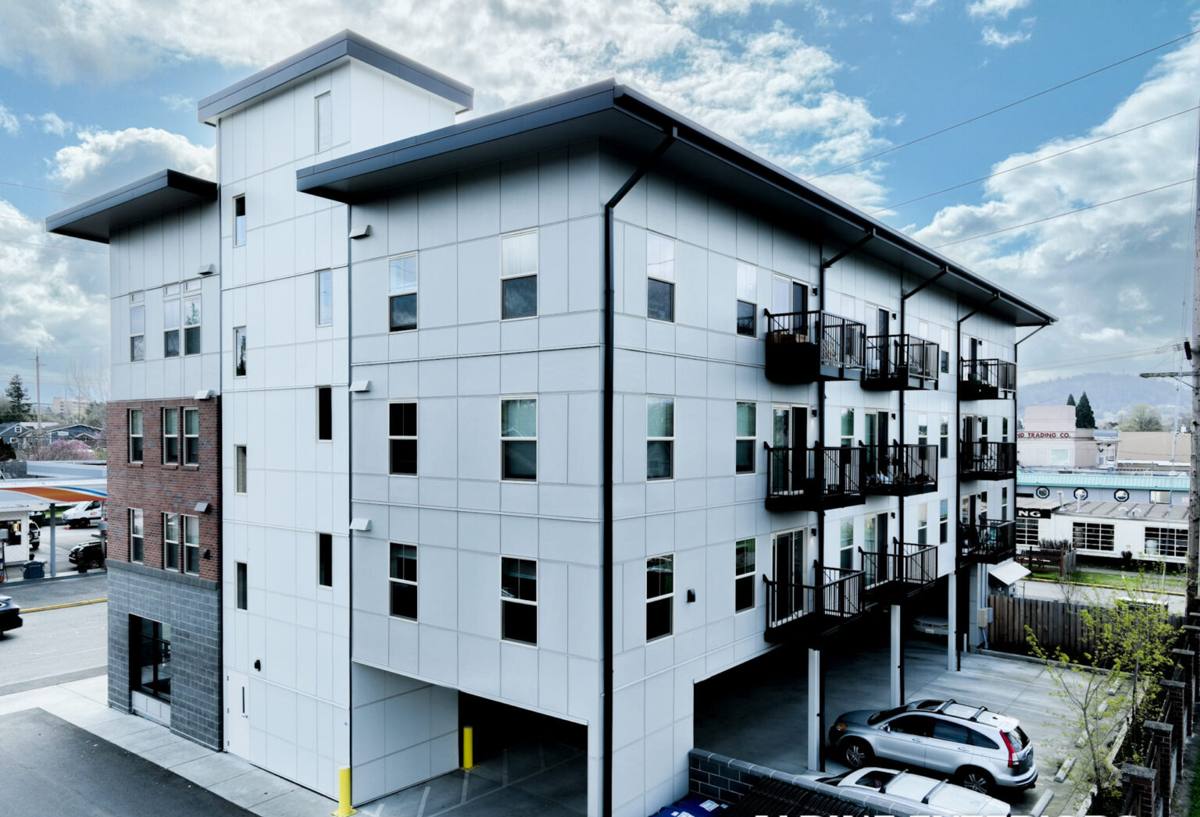
What Salt Air and Driving Rain Do to Siding
Coastal exposure attacks siding in a few specific ways, and it's worth understanding them before you decide what to put on your walls:
- Salt-laden air accelerates corrosion of exposed metal fasteners, flashing, and trim connectors, and it degrades some paint and coating systems faster than inland exposure would.
- Wind-driven rain doesn't just run down a wall — in a storm it gets pushed at an angle into seams, laps, and penetrations, which is exactly where poor installation shows up first.
- Sustained dampness from onshore weather keeps wall surfaces wet longer between dry-outs, which matters a lot for any siding material that can absorb moisture or swell.
- Moss and algae growth thrives in the shaded, damp microclimate common on north- and west-facing walls near the water, and organic growth that's left to sit can hold moisture against the siding surface.
None of this is unique to Sandy Point — it's coastal Pacific Northwest exposure in general — but Sandy Point gets it in a more concentrated form than most of Blaine because of how close and how open it sits to the water.
Why We Standardized on James Hardie
James Hardie fiber cement is a cement, sand, and cellulose fiber composite. It doesn't absorb and swell with moisture the way wood-based siding products can, and it's non-combustible, which matters more every year in Washington. Hardie's HZ5 product line is specifically engineered for climates with sustained moisture exposure and freeze-thaw cycling — the same conditions Sandy Point sees most winters.
Just as important is the factory finish. Hardie's ColorPlus coating is baked on in a controlled factory environment, which gives it more consistent coverage and better long-term color retention than field-applied paint, especially in a salt-air environment where coatings take more abuse. The finish comes with its own warranty coverage separate from the substrate warranty, and Hardie's product warranties are transferable to a new owner if you sell the house — worth mentioning if resale is ever on your radar.
We don't install LP SmartSide, vinyl, Cemplank, Allura, primed spruce, or cedar. Each of those has legitimate uses somewhere, but for a coastal Whatcom County exterior, we settled on Hardie as the product we're willing to put our name behind and warranty our work against.
How Hardie Compares to Alternatives in This Climate
| Factor | James Hardie Fiber Cement | Wood-Based Siding (cedar, engineered wood) | Vinyl |
|---|---|---|---|
| Moisture absorption | Does not swell or rot from moisture | Can absorb moisture at cut edges and swell over time | Doesn't absorb moisture, but seams can trap it behind the panel |
| Salt air / coastal durability | Engineered for sustained coastal exposure (HZ5) | Finish and substrate both degrade faster near salt air | Can become brittle with UV and temperature swings |
| Fire resistance | Non-combustible | Combustible | Combustible, can deform under heat |
| Finish longevity | Factory-baked ColorPlus finish | Field-applied paint or stain, needs recoating | Color is through-body but can fade and chalk |
| Moss/algae resistance | Surface doesn't feed organic growth the way wood does | Organic material can support moss and algae growth directly | Resists growth but traps moisture at seams if installed poorly |
What Correct Installation Looks Like Near the Water
Fiber cement siding is only as good as the assembly behind it, and in a wind-driven-rain environment like Sandy Point, the details behind the siding matter more than the siding itself.
Weather-Resistive Barrier and Drainage
A correctly installed Hardie assembly includes a weather-resistive barrier behind the siding and a drainage gap that lets any incidental moisture that does get past the cladding drain and dry out instead of sitting against the sheathing. Skipping or shortcutting this layer is one of the most common ways a fiber cement job fails early — not because of the siding material, but because of what's missing behind it.
Flashing and Fastening
Every window head, door top, and horizontal trim transition needs flashing detailed to shed water outward, not just caulked and hoped for. In salt air, fastener corrosion is a real concern — we use fasteners rated for the exposure, and we follow Hardie's fastening specifications for both pattern and pull-through, since under-driven or over-driven fasteners are a common cause of premature cracking at the nail line.
Caulking and Joints
Hardie panel and lap siding both require joints to be caulked with a high-quality, paintable sealant rated for exterior use — and any joint gets primed and caulked before it's exposed to weather, not after the fact. Butt joints in a driving-rain environment are one of the first places a rushed installation shows its age.
Clearance and Grading
Hardie's installation instructions call for minimum clearance between the bottom of the siding and grade, roofing, decks, and other horizontal surfaces. That clearance keeps splash-back moisture and standing water away from the cut edge of the panel, which is the most vulnerable point on any fiber cement installation if it's not sealed and maintained.
Our Process for a Sandy Point Job
- On-site assessment. We look at wall orientation relative to the water and prevailing wind, existing moisture damage, current siding condition, and any trim, flashing, or drainage issues before we quote anything.
- Tear-off and sheathing check. Removing the old siding lets us actually inspect the sheathing for rot or moisture damage instead of guessing — this step catches problems that would otherwise get sealed behind new siding.
- Weather barrier and drainage plane installation. This is the layer that does the real work in a coastal climate, and it goes in before a single piece of Hardie touches the wall.
- Flashing at every penetration. Windows, doors, vents, hose bibs, light fixtures — anything that breaks the plane of the wall gets flashed correctly.
- Hardie installation to manufacturer spec. Fastener pattern, clearances, and joint treatment follow Hardie's published installation guidelines, not shortcuts.
- Final caulking, trim, and walkthrough. We finish joints and trim, then walk the exterior with you before we call the job done.
Maintenance in a Moss-Prone Environment
Hardie siding is low-maintenance compared to wood, but "low-maintenance" isn't "no-maintenance," especially on shaded, north-facing walls near the water where moss and algae get a head start.
- Rinse siding periodically with a garden hose to clear salt residue, pollen, and organic buildup — a pressure washer isn't necessary and can force water into joints if used carelessly.
- Keep gutters clear so overflow isn't running down the wall face during storms.
- Trim back vegetation and tree limbs that keep a wall section shaded and damp longer than the rest of the house.
- Inspect caulked joints every year or two and recaulk anywhere the sealant has cracked or pulled away.
- Watch for moss starting on trim, fascia, or siding laps and address it early rather than letting it establish.
Why Local Installation Experience Matters
Sandy Point's exposure isn't identical to inland Blaine, and it's not identical to a sheltered lot a few miles away either. A crew that has already worked this stretch of coastline knows which walls take the worst of the wind-driven rain, where flashing tends to get shortcut on older homes, and how much clearance actually holds up against this specific moss season rather than a textbook average. That local pattern recognition is part of what you're paying for when you hire a contractor who already works this neighborhood, not just this county.
Get an Honest Look at Your Home
If your siding is showing moss staining, cracked caulk lines, or soft spots near grade, or you're planning ahead for a full re-side, we're happy to take a look and give you a straight assessment of what your house actually needs. Reach out for a free, no-pressure estimate using the form below.