 Blaine Siding
 Roofing Built for Nooksack's Climate, Not Just the National Average
Nooksack sits inland from the Salish Sea, but the same weather system that soaks Blaine and the rest of Whatcom County reaches it too — long wet winters, a wind-driven rain pattern that comes off the water, and a moss season that can run eight or nine months out of the year. A roof that's rated for "the Pacific Northwest" in a manufacturer's brochure and a roof that's actually installed correctly for this specific stretch of Washington are two different things. The difference shows up five, ten, and fifteen years later — as a roof that's still tight, or one that's rotting from the inside out under shingles that still look fine from the driveway.
When we install a new roof in Nooksack, we're not guessing at what the weather will do. We're accounting for salt-laden air that corrodes cheap fasteners and flashing, driving rain that finds every gap in poorly lapped underlayment, and moss growth that holds moisture against the roof deck long after a storm has passed. A new roof installation here has to be built to shed water fast, breathe properly, and resist the slow biological attack that moss and lichen bring with them.
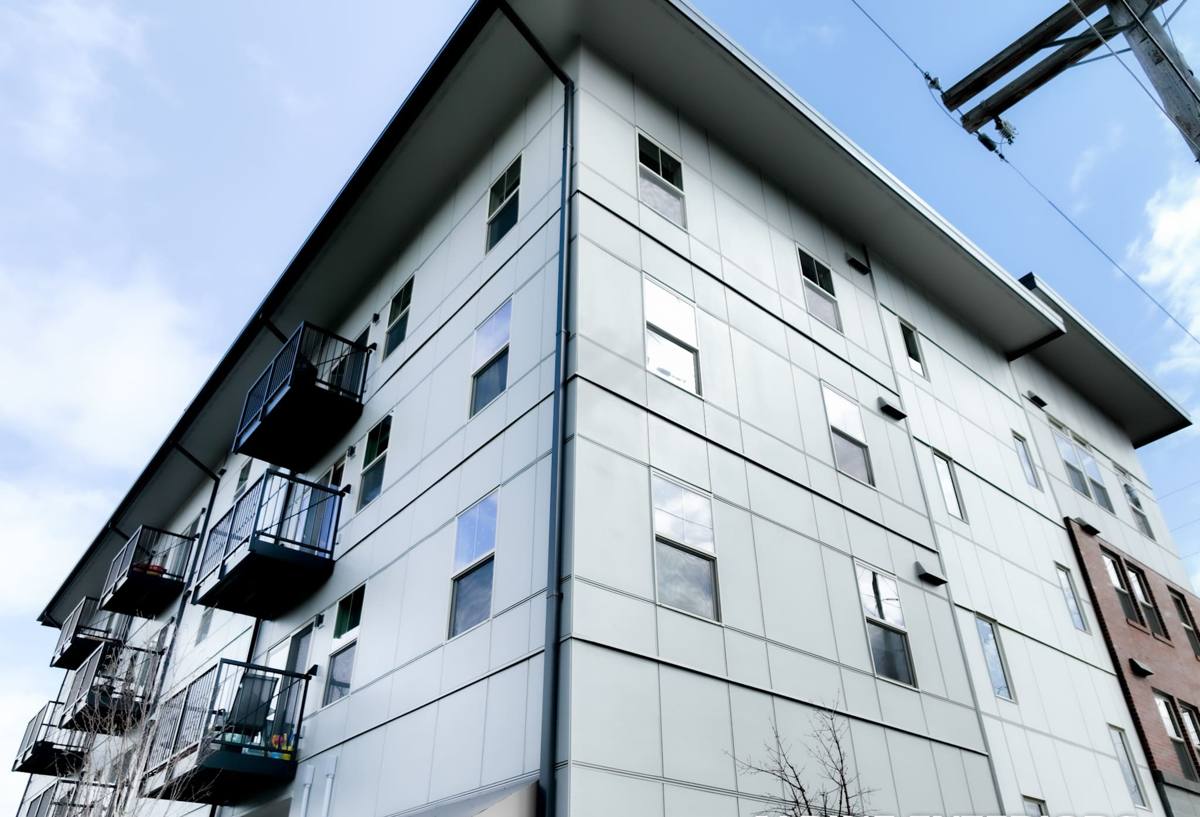
What Local Homes Are Up Against
Three regional factors do most of the damage to roofs in this part of Whatcom County, and any new roof we install is designed around all three:
Salt Air
Even well inland from Semiahmoo Bay and the Strait of Georgia, moisture carried on marine air accelerates corrosion on exposed metal — nails, flashing, vents, and fasteners. Roofs built with standard-grade hardware start showing rust streaks and weakened fastener heads years before a roof built with corrosion-resistant materials.
Driving Rain
This isn't gentle, straight-down drizzle. Storms here often push rain sideways under wind, which means water gets tested against every seam, valley, and penetration on a roof — not just the open field of shingles. Underlayment quality and flashing detail work matter more here than in drier climates where a roof rarely faces wind-driven water.
Moss
Shade from surrounding trees, consistent moisture, and mild temperatures make this an ideal environment for moss and moss-adjacent growth on roofing. Left unchecked, moss holds water against shingles and roof decking, lifts shingle edges, and shortens the life of even a well-installed roof. A new roof installation should include moss-resistant material choices and design details that reduce how much moss can take hold in the first place.
What a Correct New Roof Installation Actually Involves
A new roof is more than swapping old shingles for new ones. The materials that never show from the ground are usually what determine whether a roof lasts 12 years or 30. On every install, the fundamentals we don't cut corners on include:
- Tear-off and deck inspection — old roofing removed down to the deck, with any rotted, delaminated, or soft sheathing identified and replaced before anything new goes on.
- Ice-and-water shield in vulnerable areas — eaves, valleys, and roof-to-wall transitions get a self-adhering waterproof membrane, not just felt paper, since these are the spots where wind-driven rain and ice dams cause the most damage.
- Synthetic underlayment across the field — a water-resistant barrier that outperforms old-style felt and holds up better through a wet installation window.
- Corrosion-resistant flashing and fasteners — chosen specifically because of the salt content in the regional air, not generic hardware pulled off a standard supply list.
- Balanced ventilation — intake at the eaves and exhaust at the ridge, sized correctly for the attic volume, so moisture from inside the home doesn't get trapped against the new roof deck.
- Proper valley, pipe boot, and penetration details — the places every roof leak actually starts, done to manufacturer spec rather than shortcut.
Skipping any one of these doesn't usually cause an immediate problem — it causes a problem in year six or seven, after the workmanship warranty has expired and the homeowner has forgotten who installed the roof.
Our Installation Process
1. On-Site Assessment
We walk the roof and the attic, not just the roof. Attic ventilation, insulation contact with the deck, and any signs of past leaks tell us as much as the shingles themselves about what the new roof needs to correct.
2. Straightforward Estimate
We explain material options, what's actually needed for this specific roof, and what it will cost — in plain terms, without pressure to upgrade to something the house doesn't need.
3. Tear-Off and Deck Repair
Old roofing comes off completely. Any damaged decking is replaced before new underlayment goes down — we don't install new roofing over compromised sheathing.
4. Underlayment, Flashing, and Ventilation
This is where the roof's real durability gets built. Waterproof membrane at vulnerable areas, correctly lapped underlayment across the field, corrosion-resistant flashing at every valley and penetration, and ventilation sized for the home.
5. Roofing Material Installation
Installed to manufacturer specification for nail placement, exposure, and sealing — the details that determine whether the material warranty is actually valid if something goes wrong later.
6. Final Walkthrough and Cleanup
We walk the finished roof with the homeowner, clear the site of debris and stray fasteners, and go over care and maintenance specific to the material installed.
Choosing the Right Material for a Nooksack Roof
There's no single "best" roofing material — there's the right material for a given roof's slope, sun exposure, tree cover, and budget. Here's how the common options compare for a climate like this one:
| Material | Moss/Moisture Resistance | Typical Lifespan | Maintenance |
|---|---|---|---|
| Architectural asphalt shingles | Good, especially with algae-resistant granules | 25–30 years | Periodic moss removal, gutter clearing |
| Standard 3-tab asphalt shingles | Fair — more prone to moss holding moisture at lower profile | 15–20 years | More frequent moss/debris removal |
| Metal roofing | Excellent — moss struggles to gain a foothold on a smooth, sloped metal surface | 40–50+ years | Low; occasional inspection of fasteners and seams |
| Composite/synthetic shakes | Good, engineered to resist moisture absorption | 30–50 years | Low to moderate |
We're candid about the trade-offs of each. Architectural asphalt remains the most common choice locally because it balances upfront cost, appearance, and durability well. Metal carries a higher installation cost but pays that back in longevity and near-zero moss issues for homes with heavy tree cover. Whatever the material, correct installation matters more to long-term performance than which product line it came from.
Ventilation and Moisture Control: The Part Nobody Sees
A significant share of "premature roof failure" calls we look at in this area trace back to poor attic ventilation, not bad shingles. When warm, moist air from inside a home gets trapped against a cool roof deck — common in our wet, mild-temperature climate — it condenses, saturates the sheathing, and rots the deck from underneath while the shingles on top still look fine. Combined with moss holding surface moisture on the outside, an under-ventilated roof gets attacked from both directions at once.
Every new roof installation includes a ventilation check as a baseline, not an upsell. If intake or exhaust venting is inadequate for the attic space, we address it as part of the install — it's far cheaper to correct during a re-roof than to diagnose after the deck has already rotted.
Signs a Nooksack Roof Needs Replacing, Not Just Repairing
- Shingles that are curling, cupping, or losing granules in large patches rather than isolated spots
- Moss or dark streaking that keeps returning within months of cleaning
- Soft or spongy spots underfoot when walking the roof
- Daylight visible through the attic roof deck, or damp insulation after rain
- Roof age at or past 20–25 years for asphalt shingles, regardless of visible condition
- Repeated leaks in different spots rather than one recurring source
- Flashing that's visibly rusted or pulling away at valleys and chimneys
One or two of these can often be handled with a targeted repair. Several at once usually means the roofing system as a whole has reached the end of its useful life, and repair costs start competing with replacement cost anyway.
Timeline, Permits, and What to Expect
Most single-family roof replacements in this area take one to three days of active work, weather permitting — Whatcom County's wet stretches mean we plan installs around forecast windows rather than pushing through active rain, which compromises underlayment and deck protection. Local permitting requirements apply to full roof replacements; we handle that paperwork as part of the job rather than leaving it to the homeowner. Expect some noise and a work crew on-site for the duration, with the property cleared of old material and debris at the end of each day.
Why It Matters to Hire a Crew That Already Works in This Area
A roofing crew that works Nooksack and the surrounding Whatcom County communities regularly knows the local permitting process, has already seen how the salt air, rain patterns, and moss pressure specific to this stretch of Washington affect different materials over time, and isn't learning the region on your project. That familiarity shows up in the details — which flashing hardware holds up, how much ventilation a given attic actually needs, which material choices make sense for a shaded, moisture-heavy lot versus an open, sun-exposed one. It's the difference between a roof installed to a generic spec sheet and one installed for the conditions it will actually face for the next few decades.
If you're weighing a repair against a full replacement, or just want an honest read on where your current roof stands, we're happy to take a look. Reach out for a free, no-pressure estimate using the form below — we'll tell you straight what your roof actually needs.