 Blaine Siding
 Building New in Nooksack? Get the Windows Right the First Time
When a home is going up from the framing stage, the windows only get one real shot at being installed correctly. Once the weather-resistive barrier is lapped, the siding is on, and the interior trim is finished, fixing a bad flashing detail means tearing into finished work. For homes going up in the Nooksack area of Whatcom County, that first-shot installation has to account for a climate that is genuinely harder on windows than a lot of installers give it credit for: salty air moving in off the water, rain that comes in sideways as much as it falls straight down, and long stretches of shaded, low-sun months that keep exterior surfaces damp far longer than homeowners expect.
This page covers what new-construction window installation actually involves for a home in this area, what correct work looks like versus a fast, code-minimum job, and why the installer you choose during framing matters as much as the window brand you pick.
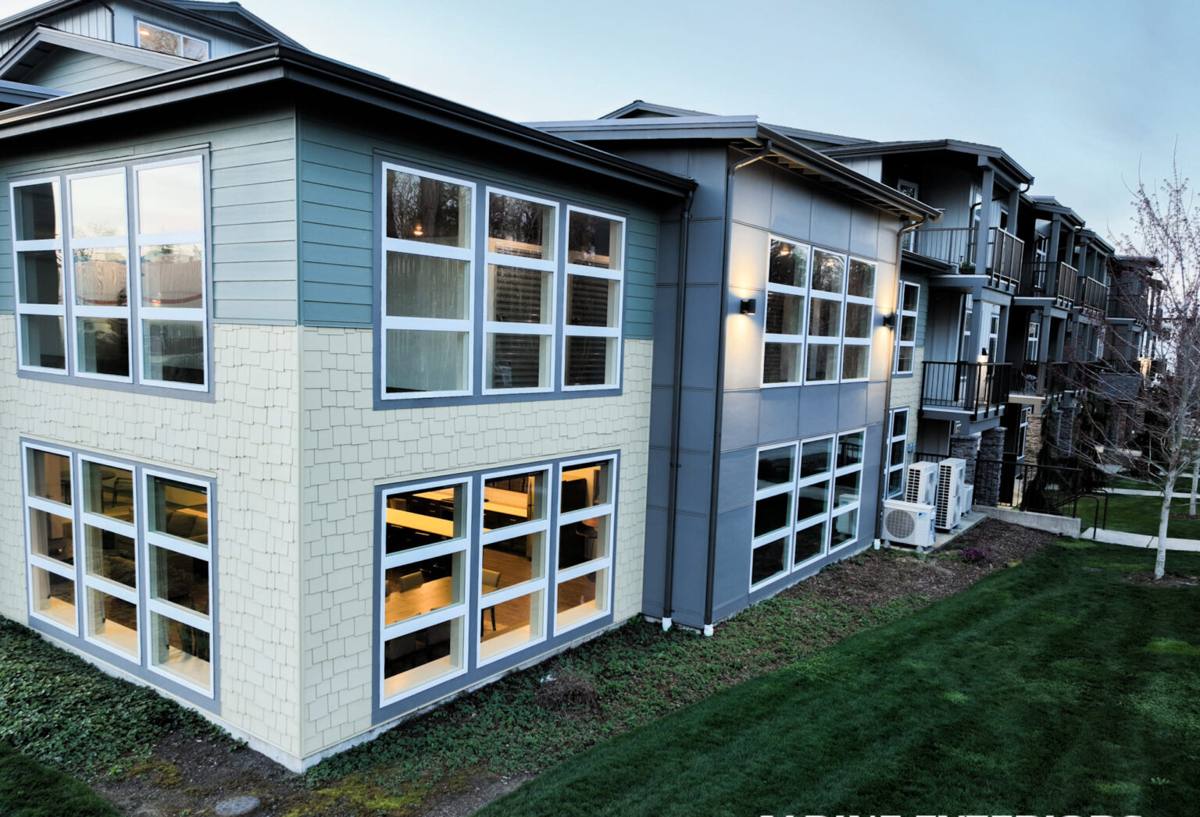
What This Climate Actually Does to Windows Over Time
Salt Air and Hardware Corrosion
Blaine and the surrounding Whatcom County coastline sit close enough to the water that salt-laden air travels inland on a regular basis, especially during winter storm systems. Most homeowners think of salt air as a problem for boats and outdoor furniture, but it also works on window hardware over years: exposed steel fasteners, lower-grade hinge and lock components on operable sashes, and thin aluminum cladding finishes can all show pitting or corrosion well before a window's expected service life is up. This isn't a reason to panic about every window on the market — it's a reason to be deliberate about hardware grade and cladding quality when a house is being built new, since those choices are far easier to make correctly up front than to correct later.
Wind-Driven Rain and Water Management
Pacific storm systems don't just drop rain straight down — they push it sideways into wall assemblies, which puts real pressure on flashing and sealant details that a drier climate would never test. The highest-risk spots are the ones easy to rush: the corners of the rough opening, the transition where the window flange meets the weather-resistive barrier, and the sill, where water that does get past the exterior finish needs somewhere to go. A window that's perfectly good on paper can still leak for years if the flashing sequence behind it wasn't done in the right order.
Moss, Shade, and Slow-Drying Surfaces
Tree cover and short winter daylight hours mean north- and west-facing walls in this area can stay damp for days after a storm instead of drying out in an afternoon. That's the same condition that grows moss on roofs, and it does something similar to window sills, trim, and exterior caulk joints — holding moisture against the surface longer, which accelerates wear on wood components and breaks down lower-quality sealants faster than their rated lifespan would suggest.
New Construction vs. Replacement: Why the Installation Method Is Different
New-construction windows use a nailing flange (fin) around the perimeter of the frame that fastens directly to the structural framing before the weather-resistive barrier and siding go on. That's a fundamentally different job than a replacement window, which gets fitted into an existing opening and typically relies on the old frame and trim for weatherproofing. New construction gives us the advantage of building the water management system from scratch — but only if it's done in the correct order.
The Flashing Sequence That Actually Sheds Water
Done correctly, a new-construction window opening gets a sloped sill pan first, then self-adhered flashing tape at the jambs run in a shingle-lap fashion over the sill flange, then the window itself, then head flashing installed so it laps over the jamb flashing and integrates with the weather-resistive barrier above it in the same shingle-style overlap. Every layer has to shed water down and out onto the layer below it — never backward into the wall. Get one layer out of sequence and the mistake gets covered by siding and trim, which means it can sit hidden for years before it shows up as rot, staining, or a soft spot in the wall.
Choosing a Frame Material for a Coastal Whatcom County Build
There's no single "best" frame material for every new build — the right choice depends on budget, the home's design, and how much long-term maintenance the homeowner wants to take on. Here's how the common options actually perform in this climate, honestly:
| Frame Material | How It Handles This Climate | Maintenance | Best Fit |
|---|---|---|---|
| Vinyl | Handles moisture and salt air well; a solid, reliable performer for most builds | Low — no painting or sealing needed | Budget-conscious builds, most window openings on a typical home |
| Fiberglass | Very dimensionally stable through wet-dry and temperature swings; strong long-term option | Low | Larger openings, homes prioritizing longevity over upfront cost |
| Wood-clad (exterior-clad) | Great interior look; exterior cladding needs to be inspected where sealant joints meet siding, since damp shade keeps moisture in contact with those joints longer here | Moderate — periodic joint and sealant checks | Homeowners who want a wood interior and are willing to keep an eye on exterior seams |
| Aluminum-clad | Structurally strong but prone to thermal bridging and interior condensation unless it's a thermally broken profile; lower-grade finishes can pit under long-term salt exposure | Moderate to low, finish-dependent | Larger commercial-style openings where structural strength matters most |
We'll walk through these trade-offs against your actual plans rather than pushing one material for every opening on the house — a large picture window and a small bathroom window don't always call for the same answer.
What a Correct New-Construction Installation Involves
A rushed install and a correct one can look identical from inside the finished house. The difference shows up in the details that get covered up:
- Rough openings checked for square and correct dimension before the window ever gets set — a window forced into an out-of-square opening stresses the frame and can bind operable sashes for the life of the house
- A sloped sill pan installed under every opening so any water that does get past the exterior sheds outward, not into the wall cavity
- Flashing tape and the weather-resistive barrier integrated in the correct shingle-lap order around the full perimeter
- Fasteners placed per the manufacturer's schedule — spacing and location affect both structural performance and warranty coverage
- Sealant placed only where it's supposed to be, never over weep holes or drainage paths that the window needs to shed incidental water
- Gaps between the frame and rough opening insulated and air-sealed on the interior side, not left open or overstuffed
Our Process on Nooksack-Area New Builds
We try to get involved before framing is finished, not after. Reviewing the window schedule against the actual framed openings early catches sizing mismatches while they're still cheap to fix — a rough opening that's a half-inch off is a five-minute conversation with the framer before drywall, and a much bigger problem after.
From there, we walk the homeowner or builder through material and glass options for each elevation of the house, since a window facing the prevailing wind and rain deserves a different conversation than one tucked under an eave. Installation is scheduled to match the house's dry-in timeline so windows go in at the right point in the build sequence — not so early that they're sitting exposed longer than necessary, not so late that the crew is working around finished interior framing. We document the flashing details at each opening as we go, before they're covered by siding, so there's a record of how the water management was built into the house.
Glass and Performance Packages Worth Considering Here
Whatcom County's climate is milder than the intense heat or extreme cold that drives window shopping in other parts of the country, but it's consistently wet, which changes what actually matters in a glass package. Dual-pane, low-E glass with argon fill is the standard starting point for a new build and performs well here. U-factor (how much heat the window loses) is worth paying attention to for comfort and energy cost, but condensation resistance deserves equal weight given how much humidity this area holds through the fall and winter — a window with a poor condensation rating will show moisture on the interior glass and sash on cold, damp mornings well before it shows any other sign of underperforming. Where code requires tempered glass — near doors, close to the floor, in wet locations — that gets specified as part of the standard package, not treated as an upcharge surprise late in the build.
Why Hiring a Crew That Already Works This Area Matters
A window manufacturer's installation instructions are written for national conditions. They don't know that a north-facing wall in the Nooksack area might stay damp for three days after a storm, or that a coastal wind event pushes rain at angles a generic instruction sheet doesn't anticipate. A crew that installs windows on new builds throughout Whatcom County on a regular basis has already seen what actually fails here versus what holds up — which frame materials age well under real conditions, which flashing shortcuts show up as callbacks two winters later, and what local building departments expect to see at inspection. That local pattern recognition is the difference between a window that's technically installed to spec and one that's actually built for where it sits.
A Homeowner's Checklist Before Windows Go In
If you're working with a builder on a new home, these are worth confirming before framing is closed up:
- Rough opening sizes have been double-checked against the actual window schedule, not just the original plans
- Frame material and glass package are decided before siding selection, since some combinations affect trim details
- You know who is responsible for the sill pan and flashing installation — the window installer or the framing crew — and that it's spelled out, not assumed
- Egress requirements for bedroom windows have been confirmed against current code, not just habit from a prior build
- You understand which finish and hardware options hold up best against salt air and shaded, damp exposure for this specific lot
- The installation warranty is separate from and clearly explained alongside the manufacturer's product warranty
If you're planning a new build in the Nooksack area and want windows installed by a crew that already knows this climate, we're happy to walk your plans and give you a straightforward, no-pressure estimate — just fill out the form below.