 Blaine Siding
 Roofing a Home on Semiahmoo Isn't the Same Job as Roofing Inland
Semiahmoo sits right up against the water in Blaine, at the far northwest corner of Whatcom County. That waterfront position is exactly why homes here take a different kind of beating than a house a few miles inland. Salt-laden air off Semiahmoo Bay and the Strait of Georgia works on metal and fasteners year-round. Wind-driven rain comes in sideways off the water instead of falling straight down. And the long, wet Pacific Northwest shoulder seasons keep shaded roof sections damp long enough for moss to take hold and stay. A roof that would hold up fine in a dry, inland neighborhood can fail early out here if it wasn't built with this specific exposure in mind.
This page is about one job, done right, for this one area: full new roof installation for Semiahmoo homes. Not a general overview of roofing — the specifics that actually matter when your house sits this close to the water.
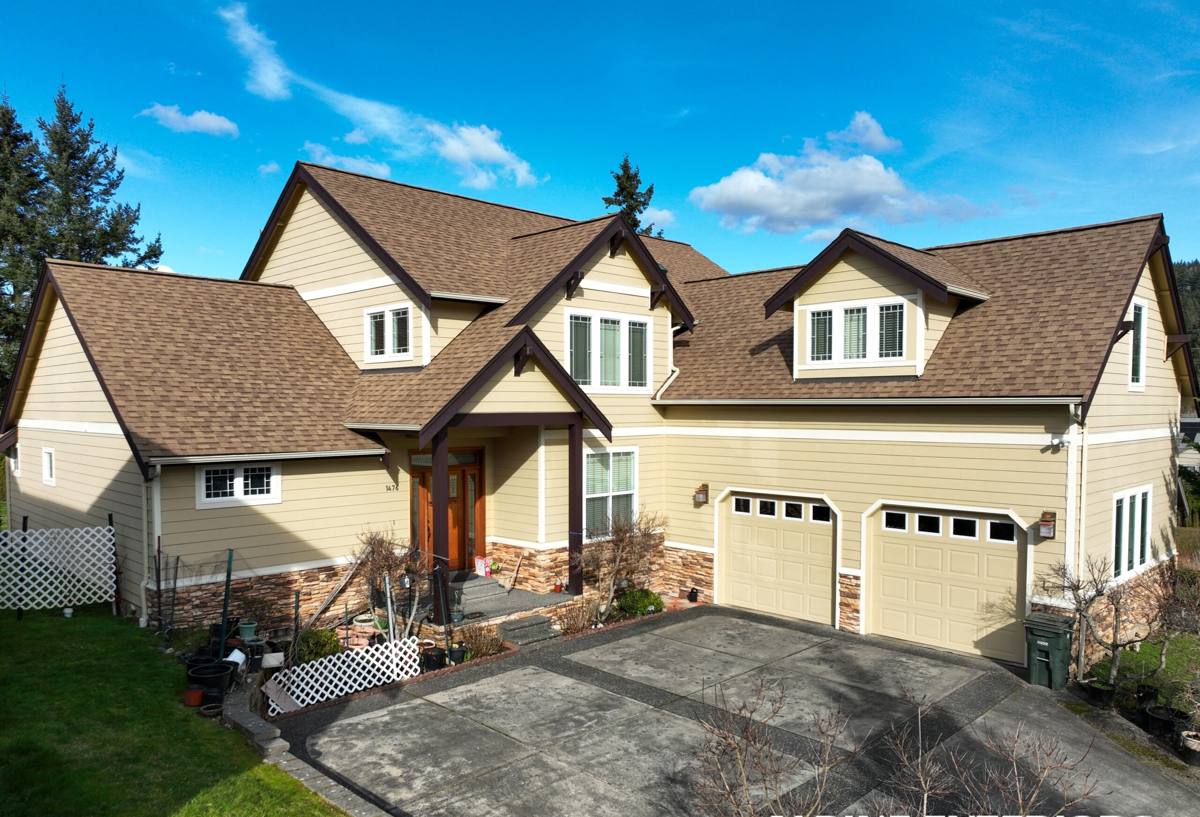
What Salt Air, Driving Rain, and Moss Actually Do to a Roof Here
Salt Air and Metal Corrosion
Airborne salt accelerates corrosion on anything exposed metal — nail heads, flashing, roof vents, gutter hardware. On a standard inland roof, cheaper galvanized fasteners might last the life of the roof. On Semiahmoo, that same fastener can start rusting years before the shingles around it are due for replacement. Once a fastener corrodes and loosens, you get a hidden entry point for water long before anyone notices a leak inside.
Wind-Driven Rain
Rain that's being pushed horizontally by wind off the water behaves differently than rain falling straight down. It can work its way up and under shingle laps, around flashing edges, and through gaps that would never leak in calmer conditions. This is a underlayment and flashing problem more than a shingle problem — the visible roofing material is only half the story.
Moss and Prolonged Moisture
Shaded roof slopes, north-facing sections, and anywhere tree cover keeps a roof damp longer after a storm are prime moss territory in this climate. Moss doesn't just look bad — it holds water against the roofing material, lifts shingle edges as it grows, and keeps the deck underneath wetter than it should be for longer stretches of the year. Left unaddressed over a few seasons, that moisture cycle is what leads to soft decking and premature rot, not just a cosmetic problem.
Signs a Semiahmoo Roof Needs Replacing, Not Just Patching
Not every roof problem on the water calls for full replacement. But there's a point where repeated repairs stop making financial sense and a new roof is the honest recommendation. Some signs we look for:
- Granule loss heavy enough that you can see bare asphalt on multiple slopes, not just one worn spot
- Soft or spongy decking felt underfoot during inspection, especially near valleys or eaves
- Rusted, lifted, or corroded flashing around chimneys, vents, and roof-to-wall transitions
- Persistent moss regrowth even after cleaning, particularly on shaded or north-facing slopes
- Multiple past repairs in different spots, suggesting the underlayment and flashing system as a whole is failing rather than one isolated issue
- A roof already past or approaching the end of its expected material lifespan, especially if it was never upgraded for this shoreline exposure
Roofing Materials That Actually Hold Up on Semiahmoo
Material choice matters more here than in a typical inland neighborhood, because the roof is fighting salt exposure and moisture cycling at the same time. There's no single "best" material for every home — it depends on your roof's pitch, shading, budget, and how the house looks — but here's how the common options compare for this specific environment.
| Material | Salt Air Resistance | Moss Resistance | Wind-Driven Rain Performance | Typical Lifespan |
|---|---|---|---|---|
| Architectural asphalt shingle | Good, with corrosion-resistant fasteners and flashing | Moderate — needs zinc/copper strips or periodic cleaning | Good when paired with proper underlayment | 25-30 years |
| Standing seam metal | Very good with coated or marine-grade fasteners | Very good — smooth surface sheds moss growth | Excellent, fewer lap points for wind to exploit | 40-50+ years |
| Synthetic/composite shingle | Good, resists moisture absorption well | Good, less porous than wood or standard asphalt | Good with correct installation | 30-40 years |
We install stainless or coated fasteners and corrosion-resistant flashing on Semiahmoo jobs regardless of which shingle or panel product a homeowner chooses. Standard galvanized hardware is a false economy this close to the water — it's the first thing that fails, and it fails quietly, underneath the finished roof where you can't see it.
What a Correct New Roof Installation Involves
The visible shingles or panels are the smallest part of what actually keeps water out. A roof built for this climate needs every layer underneath to be right:
Underlayment and Ice-and-Water Protection
We use synthetic underlayment across the full roof and self-adhering ice-and-water shield at the eaves, valleys, and any roof-to-wall transitions — the spots most vulnerable to wind-driven rain finding a way in.
Flashing
Every chimney, vent, skylight, and wall intersection gets new flashing during a full replacement, not a reuse of the old pieces. Corroded or undersized flashing is one of the most common hidden causes of leaks on older Semiahmoo roofs.
Ventilation
Balanced ridge and soffit ventilation matters as much here as anywhere in Whatcom County — trapped attic moisture combined with our wet season is exactly what leads to sheathing rot from the inside out, independent of anything happening on the roof's surface.
Decking
Any soft, delaminated, or rotted decking gets replaced before new roofing goes down. Installing new shingles or panels over compromised decking just hides a structural problem under a fresh surface.
Moss Prevention Details
Where a roof has shaded slopes prone to moss, we install zinc or copper strips near the ridge as a standard, low-maintenance defense — rainwater carries trace metal ions down the slope and inhibits regrowth.
Our Process for a Semiahmoo Roof Replacement
- On-site inspection of the existing roof, decking, flashing, and ventilation — we walk the roof, not just look at it from the ground
- Written estimate covering material options, scope, and a realistic timeline
- Full tear-off of old roofing material and inspection of the exposed decking
- Repair or replacement of any compromised decking before anything new goes down
- Installation of ice-and-water shield at vulnerable areas, followed by synthetic underlayment across the full roof
- New flashing at all penetrations and transitions
- Installation of the chosen roofing material with corrosion-resistant fasteners
- Ridge and soffit ventilation check and correction where needed
- Full site cleanup and haul-away, including a magnetic sweep for stray nails
- Final walkthrough so you know exactly what was done and what to watch for going forward
What Affects the Cost of a New Roof on Semiahmoo
Every roof is different, and we won't quote a number without seeing the actual job, but these are the factors that most often move the price up or down:
| Factor | Why It Matters |
|---|---|
| Roof size and pitch | More square footage and steeper slopes mean more material and labor time |
| Number of existing layers | Tearing off multiple old layers takes longer and adds disposal cost |
| Decking condition | Rot or soft spots found during tear-off require repair before install can continue |
| Material choice | Asphalt, synthetic, and standing seam metal carry different material and labor costs |
| Flashing complexity | Chimneys, skylights, and multiple roof-to-wall transitions add detail work |
| Site access | Waterfront lots, steep driveways, or limited staging space can affect logistics |
Why It Matters to Hire a Crew That Already Works Semiahmoo
A roofing crew that mostly works inland neighborhoods isn't necessarily going to think about corrosion-resistant fasteners, moss strips, or extra flashing detail unless a homeowner specifically asks. A crew that regularly works Semiahmoo and the surrounding Blaine shoreline builds those decisions into every quote by default, because they've seen what happens when they're skipped. That's the real value of local experience here — it's not a marketing point, it's fewer callbacks and a roof that's actually built for the exposure your specific property faces.
After Your New Roof Goes In
A new roof still benefits from a little basic upkeep, especially in this climate:
- Clear gutters and downspouts each fall before the wet season peaks
- Trim back tree branches that keep any roof section shaded and slow to dry
- Rinse off visible moss buildup gently rather than scraping, which can damage the shingle surface
- Have flashing and fastener condition checked every few years, particularly after major windstorms
- Confirm attic ventilation stays unobstructed by insulation or debris
If your roof is showing its age, or you just want an honest read on how many years it's got left, we're happy to take a look. Estimates are free, there's no pressure, and you'll get a straight answer about what your Semiahmoo home actually needs.