 Blaine Siding
 Roof Repair Built Around Lynden's Weather, Not a Generic Checklist
Lynden sits inland from Blaine but still gets the full Whatcom County weather package: long wet winters, wind off the Strait that carries salt air further than most homeowners expect, and a moss season that can run eight or nine months out of the year. A roof repair here has to account for all three, not just patch whatever is leaking today. We've worked enough roofs in this corridor to know that a shingle that fails in Lynden usually failed for a reason tied to moisture cycling and organic growth, not simple age — and that matters for how we fix it.
This page is specifically about roof repair — not full replacement, not gutters, not siding. If your roof is leaking, showing granule loss, growing moss, or has a soft spot from a prior storm, this is what an honest, correctly scoped repair looks like in this climate.
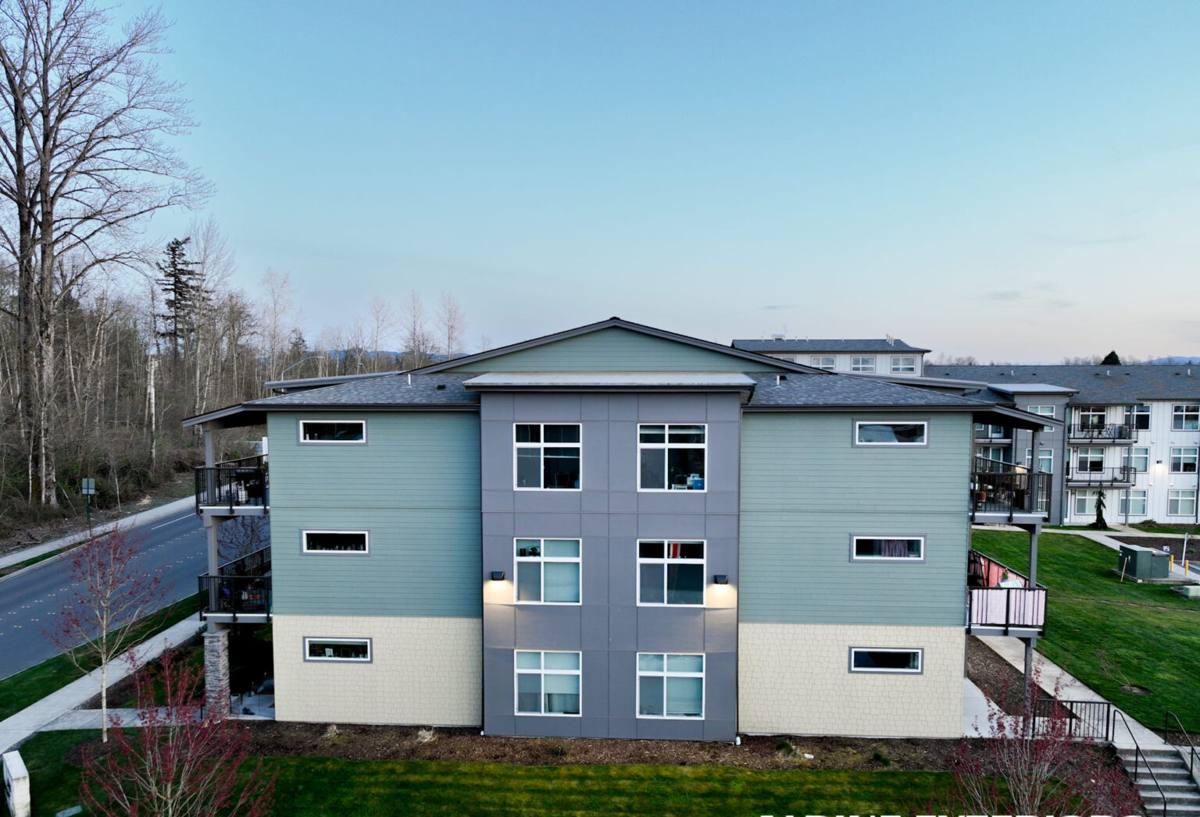
Why Lynden Roofs Wear the Way They Do
Salt Air Travels Further Than People Think
Homeowners inland from Blaine often assume salt air is a coastal-only problem. It isn't. Airborne salt moves with prevailing wind and settles on roofing metal, fasteners, and flashing well beyond the waterfront. Over years, that accelerates corrosion on exposed nails, drip edge, and flashing seams — especially on the windward side of a roof. A repair that doesn't check flashing and fastener condition, not just the shingles around a leak, misses half the problem.
Driving Rain Finds Weak Points, Not Just Open Holes
Wind-driven rain in this area doesn't fall straight down — it gets pushed sideways under shingle tabs, around chimney flashing, and into any gap where sealant has shrunk or cracked. A leak that shows up inside the house is frequently entering several feet away from where it's dripping, having traveled along the roof deck or a rafter. Chasing the interior stain instead of tracing the actual water path is the single most common mistake in cheap roof repairs.
Moss Isn't Cosmetic — It's a Moisture Trap
With Whatcom County's damp shoulder seasons, moss gets a long runway to establish itself, especially on north-facing slopes and anywhere shaded by trees. Moss holds water against the shingle surface far longer than open sky would, which speeds up granule loss and can lift shingle edges enough for wind and rain to get underneath. By the time moss is visible from the ground, it's usually been working on the roof for a season or more.
What a Correct Roof Repair Actually Involves
A roof repair done right is a diagnostic process first and a fix second. Here's the sequence we follow:
- Interior trace-back. If there's an active leak, we start inside — attic or ceiling — to understand where water is actually entering versus where it's showing up.
- Full-slope inspection, not spot-check. We look at the whole roof plane involved, including flashing at chimneys, vents, valleys, and wall intersections, since these are the most common real failure points.
- Moss and debris assessment. We check moss coverage and growth pattern to judge whether it's contributing to the failure or is a separate maintenance item.
- Decking check where accessible. Soft or delaminated decking under a leak area needs to be addressed, not just covered over with new shingles.
- Matched materials. Repairs use shingles and flashing that match the existing roof's material and, where possible, color — patchwork that doesn't match shortens the life of the whole roof by creating new weak seams.
- Sealant and fastener review. Corroded fasteners and failed sealant get replaced, not just re-caulked over.
Skipping any of these steps is how a "repaired" roof leaks again within a year, usually in the wet months when it's hardest to diagnose.
Signs a Lynden Homeowner Shouldn't Ignore
- Dark streaking or green growth concentrated on shaded or north-facing slopes
- Granules collecting in gutters or at downspout outlets after rain
- Shingle edges that look lifted, curled, or "shingled backwards" in spots
- Rusty streaks below metal flashing or vent boots
- Ceiling stains that appear or darken specifically during wind-driven rain, not steady rain
- Daylight visible through the roof deck from inside the attic
- Soft or spongy feel when walking a section of roof (report this — don't investigate it yourself)
Repair vs. Replacement: An Honest Comparison
Not every roof problem needs a repair — and not every repair should be attempted on a roof that's actually due for replacement. Here's how we think through it:
| Factor | Repair usually makes sense | Replacement should be considered |
|---|---|---|
| Age of roof | Under roughly two-thirds of expected lifespan | Approaching or past expected lifespan for the material |
| Extent of damage | Isolated to one slope, valley, or penetration | Multiple slopes affected, or damage found in more than one repair visit |
| Decking condition | Solid, no soft spots found | Soft, delaminated, or repeatedly wet decking |
| Moss/granule loss | Localized, shingle granules still substantial elsewhere | Widespread granule loss across the roof |
| Leak history | First occurrence, clear single cause | Recurring leaks in different spots over recent years |
We'll tell you honestly which category your roof falls into. There's no advantage to us in recommending a repair that won't hold, or a replacement you don't need yet.
How Our Process Works
1. On-Site Assessment
We walk the roof and the attic where accessible, photograph the damage and its likely cause, and check the broader roof condition — not just the spot you called about.
2. Straight Explanation and Scope
We explain what we found in plain terms: what's causing the leak or damage, what it will take to fix it correctly, and whether repair or replacement is the more honest recommendation for your situation.
3. The Repair Itself
Matched materials, proper flashing work, and fastener/sealant replacement as needed — done in a weather window that allows the repair to seal and cure properly. We don't rush a repair into a forecast that will undermine it.
4. Cleanup and Debris Check
Old materials, nails, and shingle debris are cleared from the roof and the ground around the house before we consider the job done.
Cost Factors for Roof Repair in This Area
Every roof and every leak is different, so we don't quote blind. What actually moves the price on a repair:
| Factor | Why it matters |
|---|---|
| Roof pitch and access | Steeper or harder-to-access slopes take longer and require more safety setup |
| Number of penetrations involved | Chimneys, vents, and skylights each add flashing complexity |
| Decking condition | Replacing damaged decking adds material and labor beyond shingle work |
| Moss remediation needed | Heavy moss may need treatment and removal before repair, not just after |
| Material match availability | Older or discontinued shingle lines can be harder to match closely |
Broadly, small, well-defined repairs are a modest expense; anything involving decking replacement or multiple flashing points costs more. We'll give you a clear number after the on-site look, not a phone estimate.
Why a Crew That Already Works Lynden Matters
Roofing crews unfamiliar with this specific stretch of Whatcom County sometimes underestimate how much moss and salt-air exposure compound each other here, or treat a repair like it's a dry-climate job. We already know which slopes in this area tend toward heavy moss, how far inland driving rain still causes damage, and what flashing details tend to fail first on local roof styles. That familiarity shortens the diagnostic time and reduces the chance of a repair that looks fine but fails again next wet season.
We're also realistic about scheduling around this region's weather — a roof repair started right before a multi-day rain system is a repair that won't cure properly, and we'll tell you that instead of squeezing it in anyway.
Maintenance That Extends a Repair's Life
- Clear gutters and valleys before the fall rains set in, so water has somewhere to go
- Have moss treated or removed on a schedule rather than waiting until it's visibly thick
- Trim back tree limbs that shade roof sections and keep them damp longer than the rest of the roof
- Have flashing and fasteners checked every few years, especially if the home is on higher ground exposed to wind
- Address small leaks promptly — a small repair now is cheaper and simpler than the decking damage a delayed one causes
If you're dealing with a leak, moss buildup, or storm damage on a Lynden-area roof, we're happy to come take an honest look. The estimate is free, there's no pressure to book on the spot, and you'll get a clear explanation of what we found and what it would take to fix it right — just fill out the form below to get started.