 Blaine Siding
 Window Installation for Grandview Homes Near Blaine
Grandview sits close enough to the water and the weather patterns rolling off it that windows here take a different kind of beating than windows twenty miles inland. Salt-laden air corrodes hardware and finishes faster. Driving rain, pushed sideways by wind off the Strait, finds every weak seal and gap in a frame. And the long, damp moss season that defines a Whatcom County fall through spring means anything that traps moisture against wood trim or sheathing has months to do damage before it dries out. Window installation done right in this area has to account for all three, not just the size of the hole in the wall.
We install windows on homes in and around Grandview regularly, which means we're not guessing at how the local weather behaves — we've seen how it treats a poorly flashed window three years later, and we build installations that don't end up there.
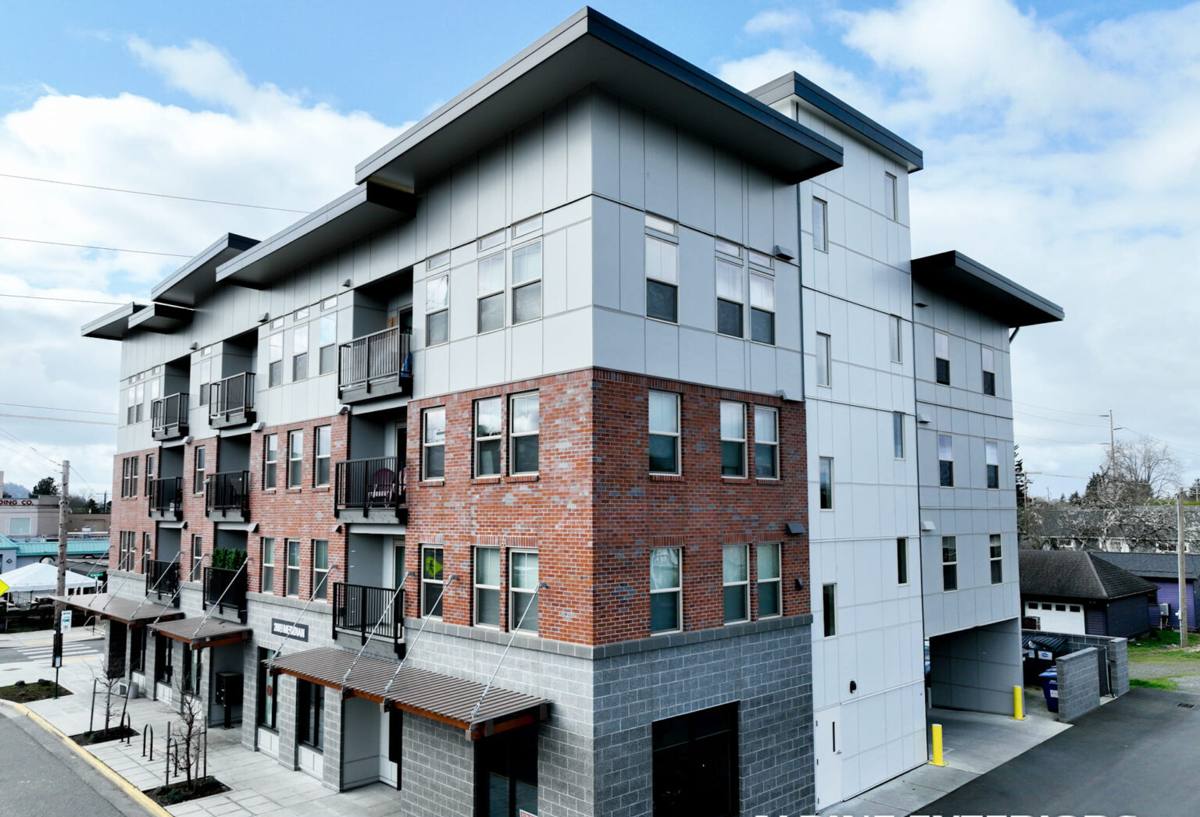
What Grandview's Climate Does to Windows Over Time
A window that's just "put in" and a window that's installed correctly can look identical on day one. The difference shows up years later, and by then it's usually a repair job instead of a checkup.
Salt Air and Corrosion
Proximity to the water means airborne salt settles on exterior surfaces continuously. Untreated or lower-grade hardware — hinges, locks, balance mechanisms — corrodes faster here than it would twenty miles inland. Aluminum frames and cheaper fasteners are especially vulnerable. This doesn't mean every window needs to be marine-grade, but it does mean material and hardware choices matter more here than in a lot of markets.
Driving Rain and Wind-Driven Water
Rain in this part of Washington rarely falls straight down. Wind pushes it sideways and up under trim, sills, and poorly lapped flashing. A window installation that relies on caulk alone to keep water out — instead of proper flashing sequencing and drainage planes — will eventually leak, usually at the bottom corners first.
Moss Season and Trapped Moisture
Extended damp periods mean anything that stays wet, stays wet for a long time. Moss and mildew growth around window trim isn't just cosmetic — it signals that water is sitting somewhere it shouldn't, which is often a sign of a compromised seal or missing flashing behind the trim rather than a surface cleaning problem.
What a Correct Window Installation Actually Involves
Swapping an old window for a new one in the same opening sounds simple, and the visible part is. The part that determines whether the job lasts is underneath the trim, where nobody looks until something goes wrong.
- Opening inspection: checking the rough opening, sill, and surrounding sheathing for existing rot, soft wood, or prior water damage before anything new goes in
- Flashing sequencing: installing sill pan flashing and integrating side and head flashing with the home's existing weather-resistive barrier so water is directed out, not trapped in
- Proper shimming and leveling: so the window operates smoothly and doesn't rack or bind over time as the house settles
- Air sealing: low-expansion foam or backer rod and sealant around the frame perimeter, sized correctly for the gap — not overfilled, not skipped
- Exterior trim and caulking: weather-appropriate sealants at all trim joints, sized and tooled to actually shed water rather than just look finished
- Interior finish: stool, apron, and casing reinstalled or replaced cleanly, with insulation behind it — not left as an afterthought
Skip any one of these steps and the window will probably still look fine for a while. The failures that show up in coastal Whatcom County homes almost always trace back to flashing that wasn't integrated correctly or a sill that wasn't sloped to drain.
Signs a Grandview Home Needs New Windows
Homeowners often wait until a window is obviously failing before calling anyone, but there are earlier signals worth acting on:
- Visible fog or condensation between panes of a double- or triple-pane window — the seal has failed
- Drafts you can feel near the frame even when the window is fully latched
- Wood trim that's soft, discolored, or growing moss consistently in the same spot each year
- Windows that are difficult to open, close, or lock, especially after a wet stretch
- Visible daylight gaps around the frame from inside
- A noticeable rise in heating costs without another clear explanation
Any one of these on its own might not mean full replacement — sometimes it's a repair. But moss or discoloration on trim paired with a draft or a hard-to-operate sash usually means water has already gotten behind the frame, and that's worth a real inspection rather than a caulk touch-up.
Choosing Window Materials for a Coastal Climate
There's no single "best" window material — the right choice depends on budget, maintenance tolerance, and how exposed the home is to wind and salt air. Here's how the common options compare for this specific climate:
| Material | Coastal Durability | Maintenance | Typical Trade-Off |
|---|---|---|---|
| Vinyl | Good — won't rust or rot | Low | Frame can flex on very large openings; color/finish options are more limited |
| Fiberglass | Very good — stable in temperature swings, resists corrosion | Low | Higher upfront cost than vinyl |
| Aluminum | Weaker — prone to corrosion in salt air unless heavily treated | Moderate to high | Thermally less efficient unless thermally broken; we generally steer clients away from untreated aluminum this close to the water |
| Wood-clad | Depends heavily on cladding quality and installation | High — cladding seams and sills need regular inspection | Best appearance for some homes, but the highest sensitivity to a poor installation in a wet climate |
We're honest about the trade-offs of each. Wood-clad windows can look excellent, but in a driving-rain, long-moss-season climate, any weakness in the cladding seam or sill detail turns into a moisture problem faster than it would with vinyl or fiberglass. That's a maintenance and installation-sensitivity conversation we have with every homeowner considering them, not a knock on the product itself.
Our Window Installation Process
- On-site assessment: we inspect existing openings, note any rot or prior water intrusion, and measure precisely — no guessing from a phone photo
- Product selection: we walk through material, glass package, and hardware options based on the home's exposure and your budget, without pushing the most expensive option by default
- Written estimate: clear scope, timeline, and pricing before any work starts
- Removal and inspection: old windows come out carefully, and we check the framing underneath before anything new goes in — this is where hidden rot or old flashing failures get caught
- Installation: proper flashing, shimming, air sealing, and trim work as outlined above
- Walkthrough: we test every window for smooth operation and a tight seal before we consider the job done, and go over care basics with you
Most single-family window replacement projects in Grandview take one to a few days depending on the number of openings and whether any framing repair is needed. We'll give you a realistic timeline once we've actually seen the openings, not a generic estimate.
What Affects the Cost of Window Installation
Every home is different, so we don't quote sight-unseen prices, but these are the main factors that move the number up or down:
| Factor | Why It Matters |
|---|---|
| Number of openings | More windows means more material and labor, though per-unit cost often drops slightly on larger jobs |
| Frame material and glass package | Fiberglass and upgraded low-E/argon glass packages cost more upfront than base vinyl |
| Condition of the existing opening | Rot or water damage found during removal adds framing repair before the new window can go in correctly |
| Window size and type | Large picture windows, bays, or custom shapes require more precise fabrication and installation time |
| Trim and finish work | Full trim replacement costs more than reusing sound existing trim |
Why Hire a Crew That Already Works in Grandview
Window installation isn't purely a technique problem — it's a technique-plus-conditions problem. A crew that mostly works drier inland areas may still know how to install a window correctly on paper, but they haven't necessarily seen how a marginal flashing job holds up after a full winter of wind-driven rain off the water, or how fast untreated hardware corrodes with regular salt air exposure. Working in Blaine and the surrounding Whatcom County coastline means we size up materials, flashing details, and sealant choices with this specific climate in mind by default — not as an afterthought once something's already failed.
We also know what local permitting and inspection expectations typically look like for residential window replacement in this area, which keeps projects from stalling on paperwork.
Caring for New Windows After Installation
A correct installation is most of the battle, but a little seasonal attention keeps windows performing for their full expected lifespan in this climate:
- Rinse salt residue off exterior frames periodically, especially after storms
- Check exterior caulk lines once a year for cracking or separation and have gaps resealed promptly
- Keep gutters and downspouts clear so runoff isn't sheeting directly over window heads
- Clean debris and moss buildup from sills and surrounding trim before it holds moisture against the wood
- Operate each window a few times through the year so hardware doesn't seize from disuse and moisture
If you're planning new windows for a Grandview home, or you're seeing early warning signs on the ones you have, we're happy to take a look and give you a straight answer about repair versus replacement. Reach out for a free, no-pressure estimate — we'll walk the openings with you and tell you what we'd actually recommend.