 Blaine Siding
 Storm Damage in a Salt-Air, Rain-Heavy Corner of Whatcom County
Grandview sits close enough to the water that roofs here take a different kind of beating than roofs twenty miles inland. Wind off the Strait of Georgia carries salt spray that settles on shingles, flashing, and fasteners. Combine that with Whatcom County's long wet season and a moss season that can run eight months out of the year, and you get roofs that age faster than their warranty paperwork suggests. A storm doesn't have to be dramatic to cause real damage out here — a few hours of sideways rain and gusty wind is often enough to lift shingles, work flashing loose, or push water into a spot that was already weakened by moss and moisture.
This page is about one thing: repairing storm damage on Grandview roofs, done right, by a crew that already knows what this microclimate does to a roof over time.
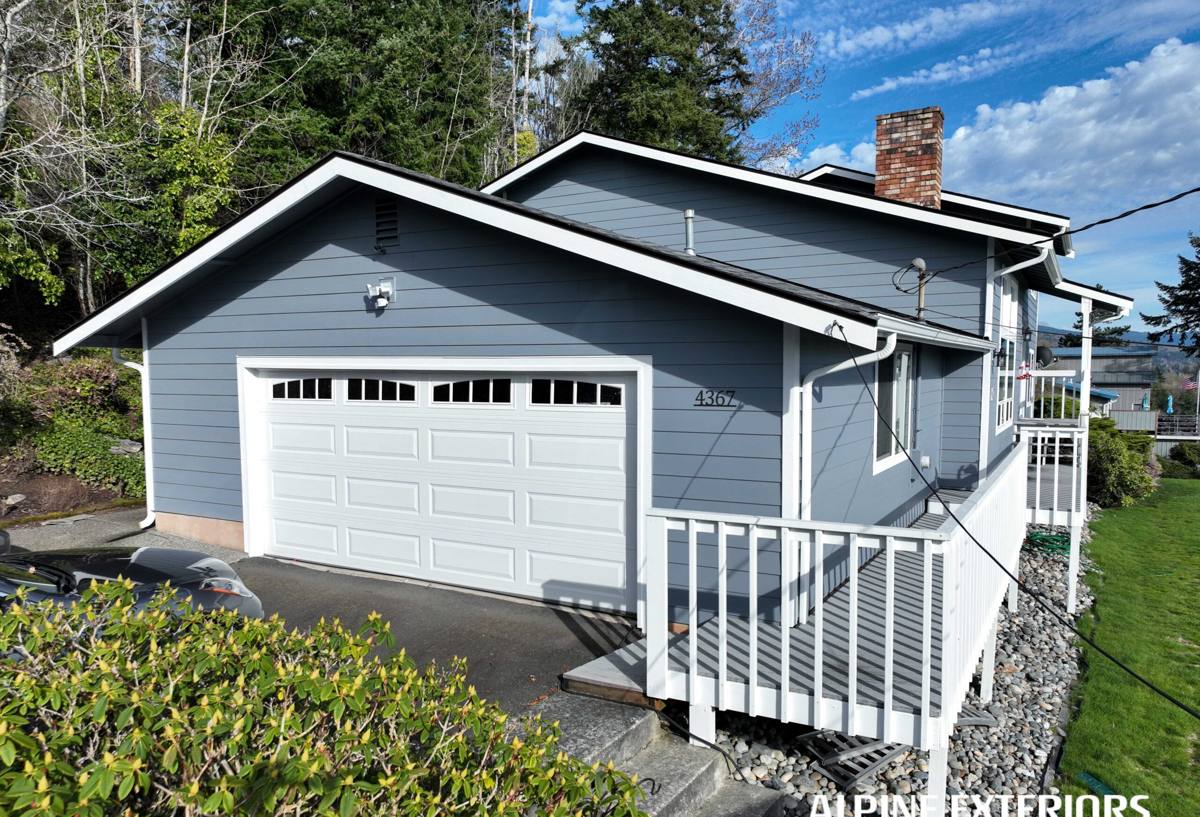
What Storm Damage Actually Looks Like Here
Homeowners often expect storm damage to be obvious — a missing shingle, a visible hole. In practice, most of the storm-related roof problems we find in this area start small and hide well.
Common damage patterns after wind and rain events
- Shingles lifted or creased at the tab, allowing wind-driven rain to get underneath even though the shingle looks intact from the ground
- Flashing around chimneys, vents, and roof-to-wall transitions pushed loose or bent, especially where moss growth had already started separating it from the deck
- Granule loss on older asphalt shingles, which accelerates once salt air and sun exposure have already thinned the surface
- Debris impact — broken branches or wind-thrown material that punctures or bruises the roofing surface
- Clogged or overwhelmed gutters that back water up under the first course of shingles during heavy rain
- Soft or discolored decking found only once a repair crew pulls back the roofing material
The moss factor matters more here than in drier parts of the state. Moss holds moisture against the roof surface long after a storm has passed, which means storm damage and moss damage often overlap and get blamed on each other. Part of doing this job correctly is telling those two things apart so the repair actually addresses the cause.
Why "Just Patch It" Isn't Always the Right Call
A fast patch has its place — if wind has torn loose a section of shingles and rain is imminent, getting a tarp or temporary seal in place is the right first move. But a patch is not the same as a repair, and treating it as one is how small storm damage turns into a bigger problem by the following winter.
A proper storm damage repair in Grandview means checking three things every time, not just the spot that's obviously damaged:
- The deck underneath. If water got past the roofing surface, the plywood or OSB decking may be soft, swollen, or delaminating. Replacing shingles over compromised decking just hides the problem.
- The flashing system. Wind events loosen flashing at penetrations and transitions more often than they tear shingles outright. Flashing that isn't re-seated and sealed correctly will leak again in the next storm, even if the shingles look fine.
- The surrounding material, not just the damaged spot. Salt air and moss exposure age a roof unevenly. The shingles next to the storm damage are often close to failing themselves, and a repair that ignores that context ends up looking patchy and needing a second visit within a year or two.
Our Process for Storm Damage Repair
1. Assessment before anything gets touched
We start with a full look at the roof, not just the area the homeowner flagged. That includes checking attic or interior ceiling signs of moisture if accessible, since staining inside often shows up before it's visible on the roof surface.
2. Honest scope, in writing
We tell you what's storm damage, what's pre-existing wear that the storm exposed, and what's cosmetic versus structural. You get a clear scope and price range before work starts — no surprise add-ons once the roof is opened up, unless we find something underneath that genuinely changes the job, in which case we stop and show you before proceeding.
3. Repair matched to the actual cause
Depending on what we find, that might mean:
- Replacing individual shingles or a section, matched as closely as possible to existing material
- Re-flashing chimneys, vents, skylights, or wall transitions with proper sealant and fastening, not just caulk over the old flashing
- Replacing damaged decking sections before any new roofing goes down
- Clearing and treating moss growth adjacent to the repair area so it doesn't undermine the new work within a season
- Checking and clearing gutters so water is actually moving off the roof the way it's supposed to
4. Cleanup and a final walk-through
We clear debris, check the repair against the surrounding roof for a clean match, and walk the work with you before calling it done.
What a Storm Damage Repair Typically Involves — Cost Factors
Every roof and every storm event is different, so we won't quote a number without seeing the roof. What we can tell you is what tends to move the price up or down.
| Factor | Effect on Scope |
|---|---|
| Extent of damage (single area vs. multiple spots) | More affected areas means more material and labor, and a closer look at whether the whole roof is nearing end of life |
| Decking condition underneath | Soft or rotted decking adds material and time; this is the most common reason a repair estimate changes after the roof is opened |
| Flashing complexity | Roofs with multiple penetrations (chimney, skylights, multiple vents) take longer to re-flash correctly than a simple gable roof |
| Roof pitch and access | Steeper roofs and limited access (tight lots, mature trees, second-story sections) affect labor time and safety setup |
| Age and condition of surrounding roofing | An older roof may need a larger repair area to get a clean, watertight result rather than an isolated patch |
| Moss and debris removal needed | Heavier moss growth adds cleaning and treatment time before the actual repair can proceed |
Preventing the Next Round of Storm Damage
Grandview's exposure to salt air and driving rain means storm damage prevention is really about year-round roof maintenance, not a once-and-done fix. A few habits make a measurable difference:
- Keep gutters clear going into the fall and winter storm season so rain has somewhere to go
- Have moss growth treated before it thickens — a light moss layer is a maintenance item, a heavy one is a moisture problem waiting to happen
- Trim back branches that overhang the roof, both to reduce debris impact and to cut down on the shade that lets moss thrive
- After any significant wind event, a quick visual check (from the ground, with binoculars if needed) can catch lifted shingles before the next storm gets under them
- Address small flashing or shingle issues promptly rather than waiting — the cost of a small repair now is almost always lower than water damage repair later
Why Local Experience Matters for This Kind of Repair
Storm damage repair is one of those jobs where local knowledge shows up in the details. A crew that works Whatcom County roofs regularly knows which flashing details tend to fail first in this climate, how aggressively moss needs to be treated near the coast versus further inland, and what a genuinely storm-damaged shingle looks like versus one that was already failing from salt exposure and age. That distinction matters for your wallet — it's the difference between an honest, targeted repair and either an undersized patch that fails again or an oversized scope that replaces more than the roof actually needs.
We also know that a roof repair in this area isn't a one-time transaction. Roofs here get tested by weather multiple times a year, every year. A repair done with that in mind — proper flashing, matched materials, attention to the decking, and a clear-eyed look at moss — holds up through the next storm instead of becoming a callback.
Get a Straight Answer on Your Roof
If a recent storm left you with a leak, missing shingles, or just a nagging feeling that something's not right up there, it's worth having it looked at before the next system rolls through. We offer free, no-pressure estimates for storm damage repair in Grandview and the surrounding Blaine area — come take a look, get an honest assessment, and decide from there. Use the form below to get started.