 Blaine Siding
 Roofing in Grandview Comes With Its Own Set of Problems
Grandview sits close enough to the water and the marine weather patterns around Blaine that a roof here works harder than a roof does 50 miles inland. Salt-laden air off the coast, long stretches of driving rain, and a moss season that can run most of the year all chip away at roofing materials in ways that don't show up as dramatic damage — until they do. A new roof installation on a Grandview home isn't just about swapping old shingles for new ones. It's about building an assembly that's matched to this specific mix of moisture, salt exposure, and shade.
We install roofs across Whatcom County, and the homes in and around Grandview tend to share a few things in common: mature tree cover that keeps roof surfaces damp longer than open lots, proximity to salt air that accelerates corrosion on metal components, and rooflines that see rain coming from multiple directions depending on the season. None of that means a roof here needs to be exotic or overbuilt. It means the details — underlayment choice, ventilation, flashing, fastener material — need to be right the first time.
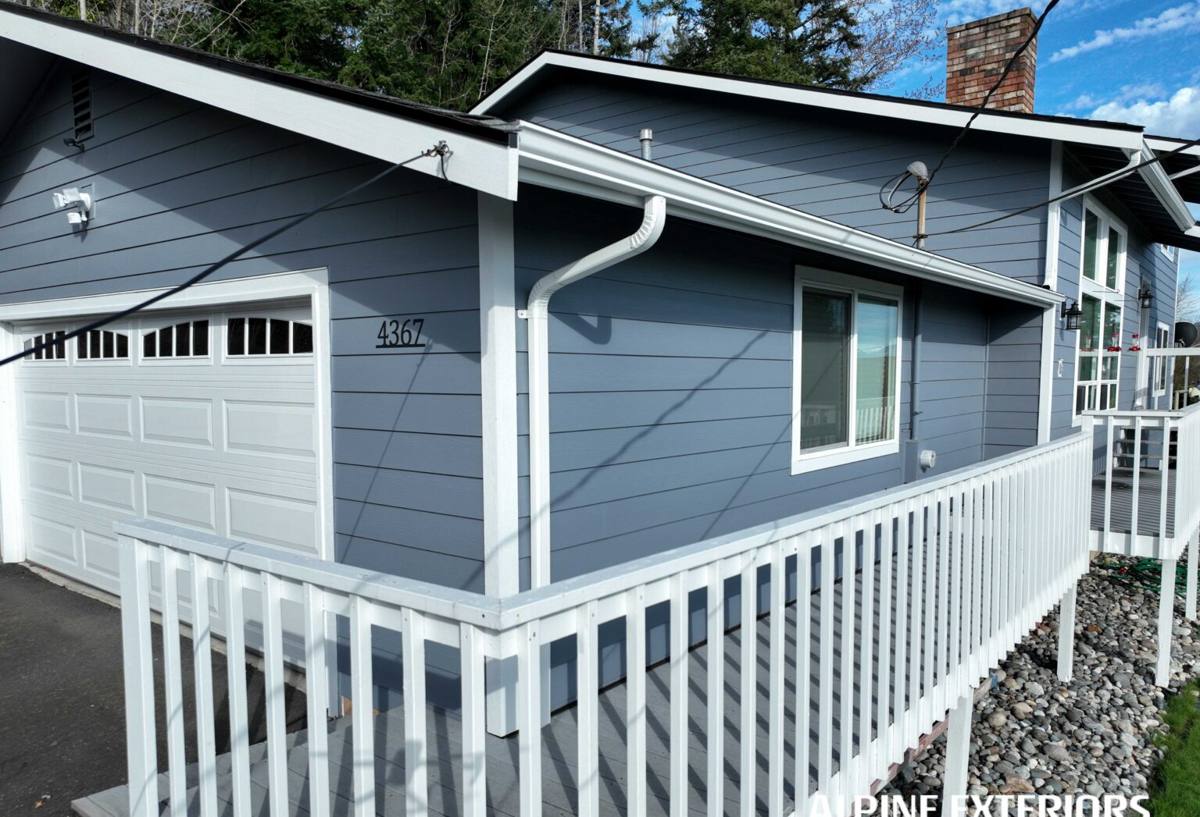
What Salt Air, Rain, and Moss Actually Do to a Roof
Salt Air and Metal Components
Coastal air carries fine salt particles that settle on every exterior surface, including your roof. Over years, that salt accelerates corrosion on unprotected metal — nails, flashing, vent stacks, and gutter hardware. A roof that uses standard fasteners or thin, uncoated flashing in a location like Grandview will show rust and pitting well before a roof built with corrosion-resistant materials would. This is one of the most common problems we find when we're called out to look at premature roof failures near the coast: it's rarely the shingles that fail first, it's the metal.
Driving Rain and Wind-Driven Water
Blaine's weather regularly sends rain sideways, not just straight down. That matters because a roof designed only to shed water vertically can let wind-driven rain work its way under shingle edges, around vent penetrations, and along valleys. Proper underlayment coverage, correctly lapped flashing, and tight seams at every penetration are what stop that water before it reaches the deck — details that matter more here than they would in a drier, calmer climate.
Moss, Shade, and Trapped Moisture
Grandview's tree cover is a mixed blessing. It's part of what makes the area attractive, but shaded, damp roof surfaces are exactly where moss and algae take hold. Moss does more than look bad — its root structure lifts shingle edges and holds moisture against the roofing material, which shortens the lifespan of the roof underneath it. A roof installed without attention to ventilation and drainage in a shaded lot will grow moss faster and suffer more from it than one installed with those factors in mind.
Signs a Grandview Home Needs a New Roof — Not Just a Repair
- Shingles that are cupping, curling, or losing granules in patches rather than just at the edges
- Moss buildup that returns within a season or two of cleaning, especially on north-facing slopes
- Soft spots or sagging visible from the ground or in the attic when you check for daylight at the deck
- Rusted or deteriorating flashing around chimneys, vent pipes, and skylights
- Water stains on interior ceilings that show up during or right after wind-driven rain
- A roof that's approaching or past the typical service life for its material in a coastal climate
- Multiple past repairs on the same roof plane, which usually signals a systemic issue rather than isolated damage
One or two of these on their own might mean a repair is enough. Several together, especially on an older roof, usually mean it's time to talk about full replacement rather than patching the same problem again next year.
Choosing a Roofing Material for a Salt-Air, High-Moss Climate
There's no single "best" roofing material for every home — the right choice depends on your roof's exposure, your home's structure, and your budget. Here's how the common options actually perform in a Grandview-type environment:
| Material | Performance in Salt Air / Rain | Moss Resistance | Typical Lifespan |
|---|---|---|---|
| Architectural asphalt shingles | Good, especially with corrosion-resistant fasteners and flashing | Moderate — benefits from algae-resistant granules | 25–30 years |
| Standard 3-tab shingles | Fair — thinner profile is more exposed to wind-driven rain | Lower unless treated | 15–20 years |
| Standing seam metal | Excellent when properly coated fasteners and finishes are used | High — smooth surface sheds moisture and discourages growth | 40–50+ years |
| Composite/synthetic shingles | Good — resistant to moisture absorption | Moderate to high depending on product | 30–50 years |
We'll walk through these options with you honestly, including where each one makes sense and where it doesn't, rather than pushing whatever happens to be easiest for us to install. A roof over a shaded, tree-lined Grandview lot has different priorities than one on an open, wind-exposed slope closer to the water — the right material depends on your specific roof, not a one-size answer.
What a Correct Roof Installation Actually Involves
A new roof is only as good as what's underneath the surface layer. For homes in this climate, we treat the following as non-negotiable parts of a proper installation, not upgrades:
- Full tear-off and deck inspection — soft or damaged decking gets replaced, not covered over
- Ice-and-water shield or high-quality synthetic underlayment at eaves, valleys, and penetrations, where wind-driven rain is most likely to intrude
- Balanced intake and exhaust ventilation so the attic can dry out between rain events instead of holding moisture
- Corrosion-resistant flashing and fasteners around every chimney, vent, and skylight
- Proper shingle or panel fastening patterns rated for the wind exposure of your specific roof plane
- Clean, correctly lapped valleys and step flashing at wall intersections — a frequent leak point when done wrong
- A final walkthrough covering ventilation, drainage, and what routine maintenance (like moss treatment) will look like going forward
Skipping any one of these doesn't usually cause an immediate problem — it causes a problem in year three or four, after the workmanship is out of sight and hard to prove. That's part of why we document the tear-off and deck condition as we go, so you know exactly what was under your old roof and what we did about it.
How Our Process Works, Start to Finish
1. On-Site Assessment
We inspect the existing roof, attic ventilation, and any problem areas in person before recommending anything. This includes checking for moss damage, deck condition, and flashing wear specific to your home's exposure.
2. Honest Material and Scope Recommendation
You'll get a clear explanation of what your roof needs, what your material options are, and what each one costs and delivers — no upsell pressure, no scare tactics.
3. Scheduling Around Whatcom County Weather
We plan installations with realistic weather windows in mind. Rushing a roof install between rain systems in this climate is how corners get cut, so we build in the time a job actually needs.
4. Tear-Off, Deck Repair, and Installation
Full removal of the old roofing, deck inspection and repair as needed, then installation following manufacturer specifications and the moisture-management details this climate requires.
5. Cleanup and Final Walkthrough
Job-site cleanup, a walkthrough of the finished roof, and a plain-language explanation of your warranty coverage and any maintenance recommendations.
Why a Crew That Already Works Grandview Matters
Roofing crews who mostly work drier, inland climates can do good work in general and still miss the details that matter here — how much flashing coverage a coastal chimney needs, how ventilation needs to be adjusted for a heavily shaded lot, or which fastener grades actually hold up against salt air over a decade. A crew that regularly works in and around Blaine and Whatcom County has already seen what fails on local roofs and why, which means fewer surprises and fewer callbacks.
Local familiarity also helps with practical scheduling — knowing realistic weather windows, understanding typical lot conditions like mature tree cover and steep driveways, and being upfront about what a Grandview-specific roof actually needs versus a generic recommendation.
Permits, Warranties, and What Comes After Installation
Roof replacements in the Blaine area typically require a permit, and requirements can vary depending on whether your property falls under City of Blaine or Whatcom County jurisdiction. We handle the permitting process as part of the job so you're not left navigating that yourself.
Warranty coverage generally comes in two parts: a manufacturer's warranty on the materials themselves, and a workmanship warranty from us covering the installation. We'll explain both in plain terms before work starts, including what's covered, what's excluded, and what would void coverage — things like unaddressed moss buildup or unauthorized attic modifications.
After installation, the biggest factor in how long your new roof performs well is basic upkeep: keeping gutters clear, addressing moss before it spreads, and having flashing and vent seals checked periodically. None of this needs to be complicated, but it does need to happen — a coastal climate isn't forgiving of a roof that's ignored for a decade.
Cost Factors for a Grandview Roof Replacement
| Factor | Why It Affects Cost |
|---|---|
| Roof size and pitch | More surface area and steeper slopes take more material and labor time |
| Deck condition | Rot or soft decking found during tear-off requires repair before installation |
| Material choice | Asphalt, composite, and metal roofing vary significantly in material and installation cost |
| Number of penetrations | Chimneys, skylights, and vents each require additional flashing and labor |
| Access and tree cover | Steep driveways or heavy tree canopy can affect staging, debris removal, and crew time |
| Ventilation upgrades | Correcting inadequate attic ventilation adds cost but reduces future moisture and moss problems |
We won't quote a number without seeing your roof — anyone who does is either guessing or leaving out details that show up as change orders later. What we can tell you is that every one of these factors gets discussed openly during your estimate, so there are no surprises once work begins.
Ready to Talk About Your Grandview Roof?
If your roof is showing signs of wear, growing moss faster than you can keep up with, or simply getting old enough that replacement makes more sense than another repair, we're happy to take a look. Fill out the form below for a free, no-pressure estimate — we'll assess your roof, answer your questions honestly, and let you decide from there.