 Blaine Siding
 Deck Repair Built for Grandview's Climate
Grandview sits close enough to the water that every deck in the area takes on the same three enemies: salt-laden air, wind-driven rain that gets pushed sideways under railings and flashing, and a moss season that can run six months or longer in a wet year. None of that is unusual for Whatcom County, but it does mean a deck built or repaired with generic, one-size-fits-all methods tends to fail here faster than it would somewhere drier and calmer. We repair decks in Grandview regularly enough to know which failure points show up first and why, and we build every repair around that reality instead of treating it as an afterthought.
This page is specifically about deck repair — not full replacement, not new builds. If your deck is structurally sound but showing wear, rot, or fastener corrosion, repair is usually the right call. We'll tell you honestly if it isn't.
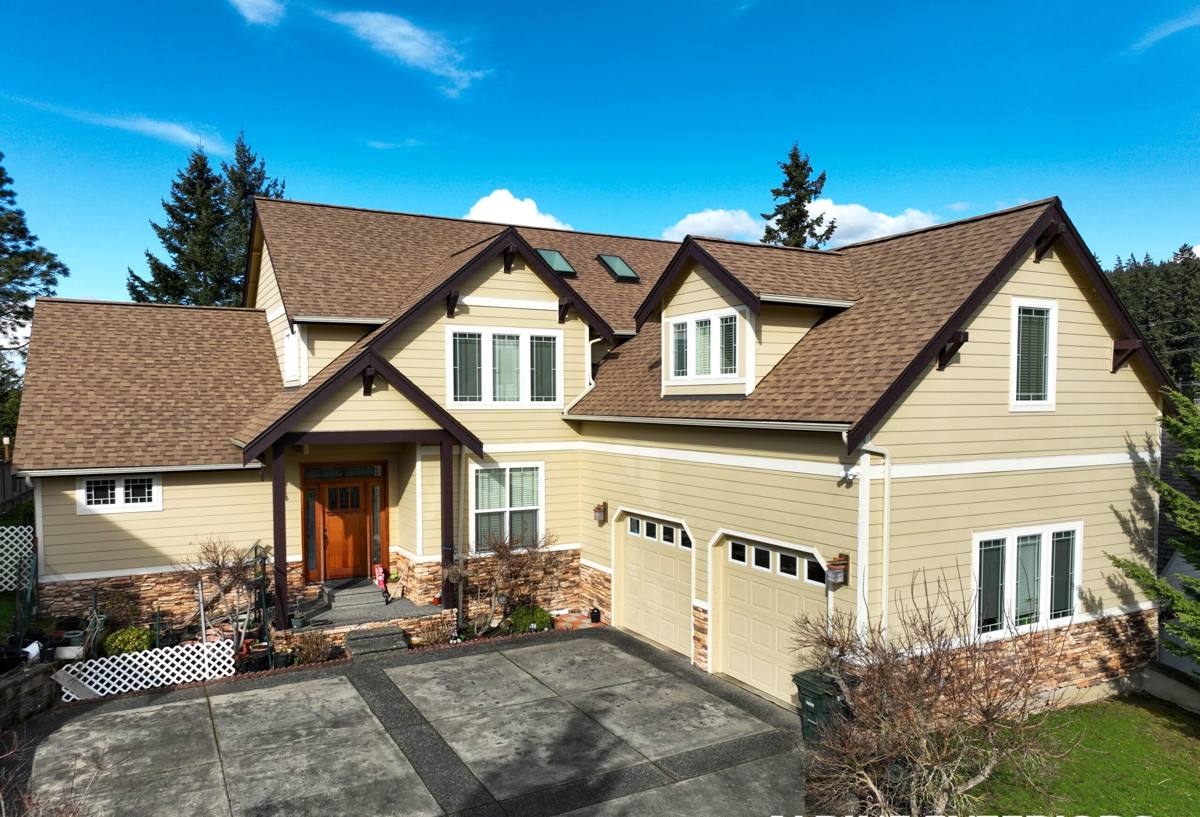
What Grandview's Climate Does to a Deck
Salt Air and Metal Fasteners
Coastal salt air accelerates corrosion on anything metal — nails, screws, joist hangers, structural brackets. Once a fastener starts to rust, it doesn't just look bad; it loses holding strength, and the rust can stain the surrounding wood or composite decking. On older decks in Grandview, we often find galvanized hardware that was fine for its first decade but is now pitted and weakening, even though the deck boards on top still look serviceable.
Driving Rain and Hidden Moisture
Rain in this area rarely falls straight down. Wind pushes it sideways into railing posts, under ledger boards, and into any gap where flashing was skipped or installed incorrectly. That moisture doesn't always show up as an obvious leak — it shows up as soft wood at a post base, a ledger board that's darker than the rest, or a floor joist that flexes more than it should. By the time it's visible from the surface, the damage underneath has usually been developing for a while.
Moss and Surface Breakdown
A long moss season means extended periods where deck boards stay damp, shaded, and slow to dry — ideal conditions for moss and algae to take hold. Beyond making the surface slippery, moss holds moisture against the wood or composite surface, which speeds up graying, splintering, and in some cases rot at board edges and end cuts where sealant coverage is thinnest.
What a Correct Deck Repair Actually Involves
A repair that just replaces the boards you can see is a temporary fix. A correct repair starts with figuring out why the damage happened, so the same problem doesn't reappear in two or three years.
Our Assessment Process
- Check structural framing — ledger board attachment, joists, beams, and posts — for soft spots, cracking, or movement
- Inspect all fasteners and hardware for corrosion, not just the ones that are visibly rusted
- Look at flashing at the ledger board connection to the house, which is the single most common source of hidden rot
- Test railings and posts for looseness, which often indicates rot at the base connection
- Identify moss and algae buildup patterns to understand which areas of the deck stay wet longest
- Check drainage — whether water is pooling on the surface or running off cleanly
Once we know what's actually going on underneath, we can tell you which parts of the deck need structural repair, which need surface-level replacement, and which are fine as-is. We don't recommend replacing more than necessary, and we don't patch over problems that will just resurface.
Common Repairs We Handle
| Issue | Typical Cause | Repair Approach |
|---|---|---|
| Soft or rotted deck boards | Trapped moisture, moss retention, poor drainage | Remove and replace affected boards; address the moisture source, not just the symptom |
| Rusted or failing fasteners | Salt air corrosion over time | Replace with fasteners rated for coastal/corrosive exposure |
| Loose or wobbly railing posts | Rot at the base connection from wind-driven rain | Inspect post base, replace rotted material, reinforce connection |
| Ledger board separation or staining | Missing or failed flashing at the house connection | Correct flashing detail, replace damaged ledger sections |
| Slippery, moss-covered surface | Extended shade and moisture during moss season | Clean surface, improve airflow/drainage where possible, recommend maintenance schedule |
| Sagging or springy deck feel | Weakened joists or beam from long-term moisture exposure | Sister or replace structural framing members as needed |
Repair vs. Replacement — How We Make the Call
Not every deck with problems needs to come out. As a general rule, the framing underneath is what determines whether repair makes sense. If the posts, beams, and joists are structurally sound and the damage is limited to surface boards, fasteners, or isolated rot, repair is usually the more cost-effective and reasonable path. If the structural framing itself is compromised in multiple places, repair can turn into a patchwork that costs more over time than doing it right once.
We'll walk you through what we find during the assessment and give you a straight answer on which category your deck falls into — we're not going to sell you a full replacement when a repair will hold up, and we're not going to patch something that's genuinely unsafe.
Signs It's Time to Call for an Assessment
- Boards that feel soft, spongy, or give slightly under weight
- Visible gaps, staining, or dark discoloration where the deck meets the house
- Railings or posts that wobble or feel less solid than they used to
- Persistent moss or algae that returns quickly after cleaning
- Rust streaks around fasteners or hardware
- A noticeable increase in bounce or flex when walking across the deck
Materials and Fastener Choices for This Climate
Repair materials matter as much as the workmanship. In a salt-air, high-moisture environment, we default to fasteners and hardware rated for coastal or corrosive exposure rather than standard galvanized options — the upfront cost difference is small compared to what it costs to redo a repair in a few years because the hardware failed first. For decking material, whether we're replacing a section of existing wood decking or transitioning a repaired area to composite, we'll walk through the maintenance trade-offs honestly: wood needs regular sealing and is more moss-prone if not maintained, while composite costs more upfront but handles consistent moisture better with less upkeep. There's no universally "right" choice — it depends on your budget, how much maintenance you want to do, and what the rest of the deck is built from.
Why a Crew That Already Works Grandview Matters
Deck repair in a coastal Whatcom County neighborhood isn't the same job as deck repair somewhere inland and dry. A crew that hasn't worked in this kind of exposure might replace the visible boards and miss the corroded hardware underneath, or use standard fasteners that start rusting again within a couple of years. Because we work in Grandview and the surrounding Blaine area regularly, we already know which failure patterns to check for first — ledger flashing, post-base rot, fastener corrosion, and moss-related surface damage — instead of treating your deck as a generic repair job.
We also know that access, weather windows, and drying time matter here more than in drier climates. We plan repair timing around realistic drying conditions so new material and treatments aren't compromised by moisture before they've had a chance to cure or set properly.
Our Repair Process, Start to Finish
- On-site assessment of framing, fasteners, flashing, and surface condition
- Honest breakdown of what needs repair, what can wait, and what's structurally sound
- Written scope and pricing before any work begins — no surprise add-ons mid-project
- Repair work using fasteners and materials suited to coastal, high-moisture exposure
- Correction of underlying moisture or drainage issues, not just surface symptoms
- Final walkthrough so you understand what was done and what maintenance to expect going forward
Maintenance That Extends the Life of a Repair
A good repair lasts longer with a small amount of upkeep, especially given how long moss season runs here. Keeping the surface clear of debris and moss buildup, checking railings periodically for looseness, and having the deck looked at every couple of years for early signs of moisture intrusion will catch small issues before they become structural ones. We're happy to point out what to watch for on your specific deck during the assessment, whether or not you move forward with repair work through us.
If your Grandview deck has soft boards, loose railings, rust stains, or just feels less solid than it used to, we're glad to take a look. The estimate is free, there's no pressure to commit to anything, and you'll get a straight answer about what your deck actually needs.