 Blaine Siding
 New Roof Installation in Custer: Built for the Water, the Wind, and the Moss
Custer sits inland just enough from Blaine and the Salish Sea shoreline to feel like it should be sheltered — but it isn't, not really. Homes here still catch salt-laden air rolling off the water, still take on driving rain during winter storms, and still sit under the same long, damp moss season that defines roofing life across Whatcom County. A new roof installed here needs to be built for that specific mix of conditions, not just installed the same way it would be in a drier inland climate.
This page is about one job, done right, in one place: full new roof installation for Custer homes. Not a repair patch, not a generic overview of every service we offer — what a correct tear-off-and-replace roof actually requires when the property is exposed to coastal Whatcom County weather.
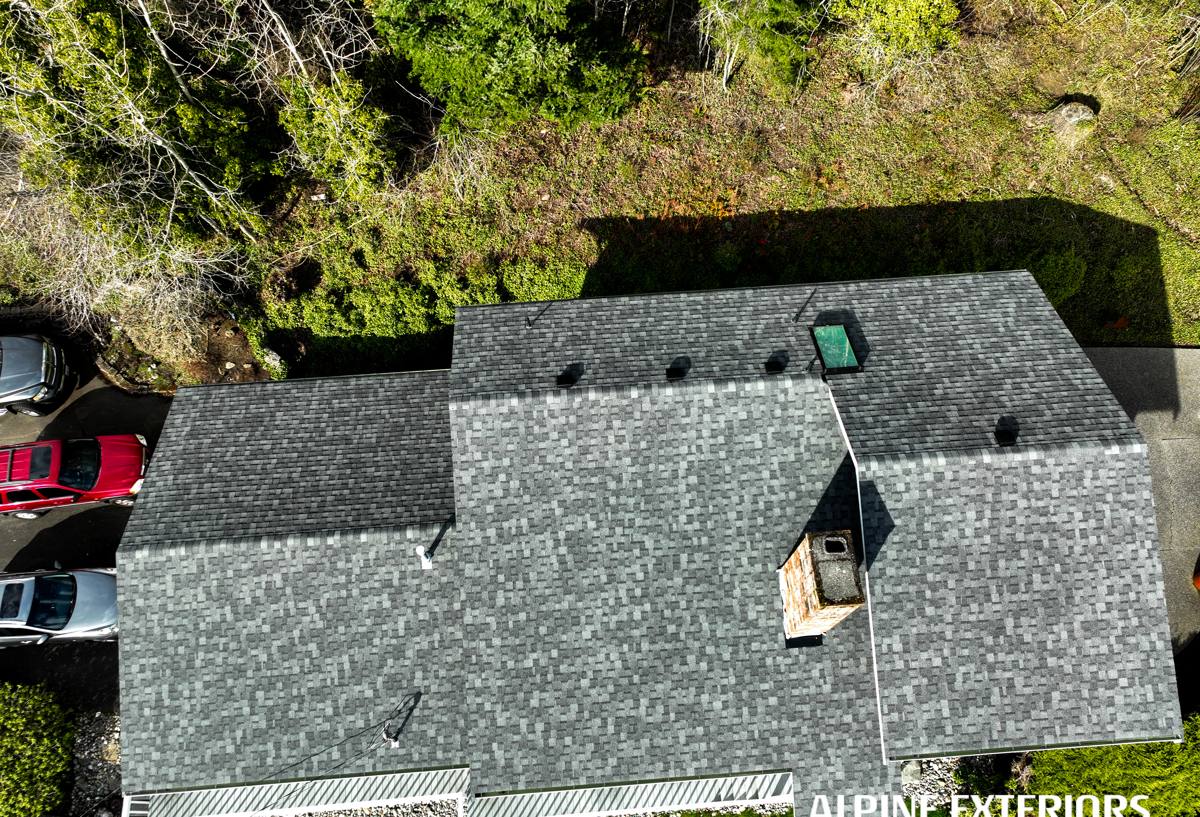
What Custer's Climate Actually Does to a Roof
Salt Air and Metal Components
Salt-laden marine air corrodes unprotected or poorly coated metal faster than it would inland. Fasteners, flashing, drip edge, and vent caps are all vulnerable if the wrong grade of metal or coating is used. This isn't a reason to avoid metal roofing components — it's a reason to be deliberate about which fasteners and flashing metals go on a Custer roof and how they're installed.
Driving Rain and Wind-Driven Water
Storms coming off the water don't always drop rain straight down. Wind-driven rain pushes water sideways and upward under shingle tabs, around chimneys, and along roof-to-wall transitions. A roof that would perform fine in a calmer climate can leak here if the underlayment, flashing laps, and fastening pattern aren't built with that lateral water pressure in mind.
A Long Moss Season
Cool temperatures, high humidity, and shaded roof planes, common on Custer's larger rural lots, add up to a moss and algae season that runs most of the year, not just a few soggy months. Moss holds moisture against the roof surface, lifts shingle edges over time, and accelerates the exact kind of granule loss and decking rot that shortens a roof's life. Material choice and detailing at installation, not just future cleaning, is the first line of defense against it.
Signs a Custer Home Needs a New Roof, Not Another Repair
Repairs make sense when a roof has years of usable life left and the damage is localized. A full new roof installation makes sense once the roof as a whole is past the point where patching keeps up. Common signs we look for on Custer homes include:
- Shingles that are curling, cracking, or losing granules across large sections of the roof, not just one isolated spot
- Moss or algae growth that keeps returning to the same areas within a season or two of cleaning
- Soft or spongy decking felt underfoot in the attic, or visible sagging along roof planes
- Repeated leaks in different locations, rather than one consistent trouble spot
- Flashing around chimneys, skylights, or roof-to-wall junctions that's rusted, lifted, or was never properly stepped and counter-flashed to begin with
- A roof approaching or past its expected service life for the local climate, especially if it was installed with minimal underlayment or ventilation
If a roof is showing two or three of these at once, patching individual spots usually just delays the larger job and can waste money on repairs that won't outlast the roof around them.
What a Correct New Roof Installation Involves
Tear-Off and Deck Inspection
We remove existing roofing down to the deck rather than layering over it. That's the only way to actually see the plywood or plank decking underneath — soft spots, old water staining, or rot that a layover would hide and let keep spreading. Damaged decking gets replaced before anything new goes down, not covered up.
Underlayment and Ice-and-Water Protection
Given how much of the year Custer roofs deal with wind-driven rain, underlayment choice matters more here than it would in a drier region. We use synthetic underlayment across the field of the roof and self-adhering ice-and-water membrane at the vulnerable points — eaves, valleys, and around penetrations — where wind-driven water is most likely to work its way underneath the roofing material.
Flashing, Done Properly
Most roof leaks trace back to flashing, not the field shingles. Chimneys, skylights, and any point where the roof meets a wall need step flashing and counter-flashing installed in layers with the roofing material, not caulked over the top as an afterthought. Caulk fails; properly layered flashing sheds water by design and keeps doing it for decades.
Ventilation
A roof needs balanced intake and exhaust ventilation to manage heat and moisture in the attic. Poor ventilation traps humid air against the underside of the decking, which accelerates rot and can encourage moss and mildew from the inside as well as the outside. We check existing ventilation as part of every new roof installation and correct it where it's undersized or unbalanced, rather than just reusing whatever vents were already there.
Choosing a Roofing Material for Custer's Exposure
There's no single "best" roofing material for every home — the right choice depends on the roof's pitch, the home's style, how much shade and moss pressure it deals with, and what the homeowner wants to spend upfront versus maintain over time. Here's how the common options compare for a coastal Whatcom County property like a Custer home:
| Material | Typical Lifespan | Performance in Salt Air & Moss | Maintenance Needs | Relative Upfront Cost |
|---|---|---|---|---|
| Architectural (dimensional) asphalt shingles | 25–30 years | Good with proper underlayment and algae-resistant granules; still benefits from periodic moss removal | Moderate — occasional cleaning, gutter maintenance | $ |
| 3-tab asphalt shingles | 15–20 years | More prone to wind lift and faster granule loss in driving rain and moss conditions | Higher relative to lifespan | $ |
| Standing seam metal roofing | 40–50+ years | Sheds moss and water very well when properly coated and fastened; needs correctly specified marine-grade fasteners near the coast | Low — occasional fastener and coating check | $$$ |
| Synthetic/composite shingle or shake | 30–50 years | Resists moisture absorption better than wood shake; performs well in damp, shaded conditions | Low to moderate | $$ |
For most Custer homes, architectural asphalt shingles with algae-resistant granules and a properly detailed underlayment system hit the practical middle ground — solid performance against the local climate without the higher upfront investment of metal or premium synthetics. Homes with heavy tree shade or steep, hard-to-access roof planes are often better served by metal or a low-maintenance synthetic, since moss control becomes more labor-intensive over time on those roofs.
Our Installation Process, Start to Finish
- On-site inspection and estimate. We walk the roof and attic, assess decking condition, ventilation, and flashing, and give a written estimate — no pressure, no obligation.
- Material selection. We go over the options that fit the home's roof pitch, style, and the homeowner's budget and maintenance preferences.
- Permitting. We handle the Whatcom County permitting a full roof replacement requires, so the homeowner isn't left tracking that down.
- Tear-off and disposal. Old roofing comes off down to the deck, with debris and old materials hauled away.
- Deck repair. Any soft, rotted, or damaged decking found during tear-off is replaced before installation continues.
- Underlayment, flashing, and ventilation correction. The moisture-management layer goes in first — this is the part of the job that determines how the roof performs in a wet winter, long before the finish material is visible.
- Roofing material installation. Installed to manufacturer specifications and fastening patterns suited to coastal wind exposure.
- Final cleanup and walkthrough. Site cleanup, magnetic sweep for stray fasteners, and a final walkthrough so the homeowner can see the finished work and ask questions.
- Warranty paperwork. Manufacturer and workmanship warranty documentation is provided and explained, not just handed over.
Before You Hire: A Practical Checklist for Custer Homeowners
Roof replacement is a significant investment, and it's worth vetting any contractor carefully before signing a contract. Before you hire anyone for a new roof installation, confirm:
- They're licensed and insured to work in Washington State, and can show proof without hesitation
- They provide a written, itemized estimate — not just a verbal price
- The estimate specifies underlayment type, flashing approach, and ventilation, not just "shingles and labor"
- They pull the required permit themselves rather than asking you to
- They explain their tear-off and decking-inspection process, and what happens if they find rot
- The warranty terms, both manufacturer and workmanship, are in writing and clearly explained
- They have experience with coastal Whatcom County conditions, not just general roofing experience inland
- They give you a realistic timeline and a plan for weather delays, since driving rain can and will interrupt roofing schedules here
Why a Crew That Already Works Custer Makes a Difference
A roofing crew that regularly works Custer and the surrounding Blaine area already knows what this climate does to a roof over time, because they've seen it firsthand on homes nearby, not in a training manual written for a different region. That means fewer surprises during tear-off, better judgment about which materials actually hold up against the salt air and moss pressure specific to this stretch of Whatcom County, and a realistic understanding of how weather windows here affect scheduling.
It also means logistics that work smoothly for a semi-rural community: getting materials, equipment, and crew out to larger lots efficiently, and being available for the kind of follow-up questions that come up in the months after a big installation, not just during the sale.
If your Custer home needs a new roof, we're glad to come take a look and give you a straightforward, no-pressure estimate. Fill out the form below and we'll set up a time to walk the roof with you.