 Blaine Siding
 Ferndale's Climate Puts Real Demands on a Home's Siding
Ferndale sits close enough to the Salish Sea and the tidal flats around Blaine and Boundary Bay that salt-laden air is a regular part of the weather here, not an occasional event. Add Whatcom County's long stretch of driving winter rain and the shaded, damp conditions that keep moss thriving for months at a time, and you have a climate that is genuinely tougher on exterior siding than most of the country ever deals with. Homes in Ferndale don't fail because owners neglected them — they fail because the siding, the flashing details, or the installation itself was never matched to what this specific climate throws at a wall.
That combination — salt air, sustained moisture, and moss — attacks different materials in different ways. Salt air accelerates corrosion on fasteners and metal trim. Driving rain finds every gap in flashing and trim and pushes water sideways, not just down. Moss holds moisture against a wall for weeks, feeding rot in anything that can absorb water. A siding installation done for a drier climate, or done without careful attention to water management, tends to show problems in Ferndale years before it would somewhere inland.
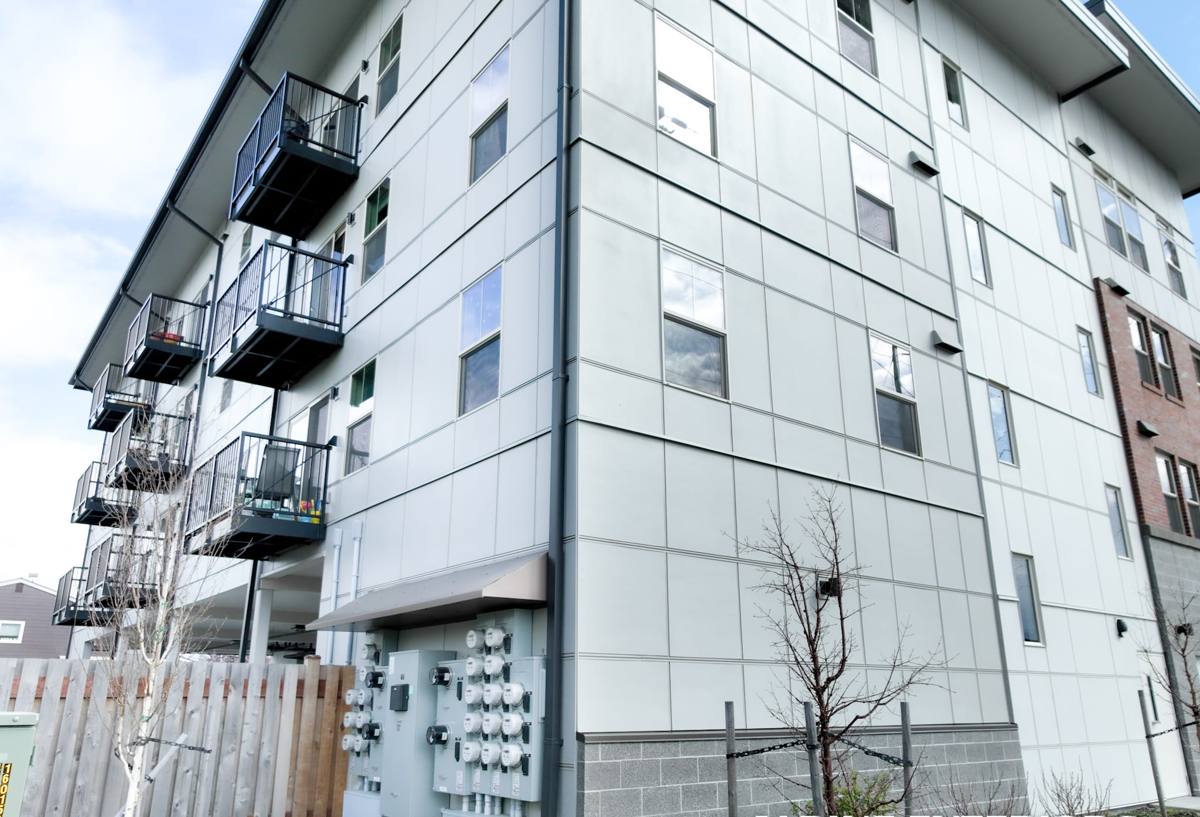
What a Correct Siding Installation Actually Involves Here
Siding installation is often talked about as if the product is the whole story. In a climate like Ferndale's, the product is maybe half of it — the other half is the water-management system underneath and around it. A correct installation is a system, not just a covering.
Water Management Comes First
Before a single piece of siding goes up, the wall needs a weather-resistant barrier installed correctly, with every seam lapped the right direction and every penetration — hose bibs, vents, electrical, light fixtures — properly flashed and sealed. In a home exposed to wind-driven rain, water doesn't just run down a wall, it gets pushed sideways and upward under trim and around corners. If the barrier and flashing details aren't right, the siding on top of them is only ever a facade.
Clearances and Ventilation
Siding that sits too close to grade, to a deck surface, or to a roofline traps moisture against the material and creates the damp, shaded conditions moss thrives in. Correct installation keeps manufacturer-specified clearances at the ground, at roof-to-wall intersections, and at any horizontal surface that can hold standing water or debris against the wall.
Fastening and Joints
Fastener placement, spacing, and depth all affect how well a wall handles the expansion and contraction that comes with our wide seasonal swings in humidity. Joints between siding pieces need to be treated as potential water entry points, not just cosmetic seams — caulked, flashed, or shiplapped per the manufacturer's specification, not left to "look fine" from the ground.
Why We Install Only James Hardie Fiber Cement
We made a deliberate decision to install one siding system — James Hardie fiber cement — and we don't deviate from it for vinyl, LP SmartSide, Cemplank, Allura, primed spruce, or cedar. That's not a marketing position, it's a standard we hold because of what we've seen a Whatcom County climate do to exterior materials over time.
Fiber cement is non-combustible, which matters more every year as regional wildfire smoke seasons stretch longer, and it doesn't feed the kind of moisture-driven rot that wood-based products are structurally vulnerable to. James Hardie's HZ product lines are engineered specifically around climate zones — for a place like Ferndale, that means a formulation built to handle sustained moisture exposure rather than a generic product used everywhere in the country. Hardie's ColorPlus factory finish is baked on under controlled conditions, which gives it a more consistent, fade-resistant finish than field-applied paint and reduces how often a homeowner needs to think about repainting at all.
None of this means other products are without merit — vinyl is inexpensive and low-maintenance in mild climates, and cedar has real aesthetic appeal. But in a coastal, high-moisture, moss-prone environment, we've found the combination of durability, warranty strength, and installation consistency isn't there with those alternatives the way it is with Hardie fiber cement installed to spec. That's the trade-off we're willing to be direct about with every homeowner we work with.
How Our Installation Process Works
- On-site assessment. We walk the exterior, check existing wall conditions, look for prior water damage or rot behind the current siding, and note anything unusual about the site — tree cover, drainage patterns, wind exposure.
- Removal and inspection. Once old siding comes off, we inspect the sheathing and framing underneath. Any rot or moisture damage gets addressed before anything new goes on — covering a compromised wall with new siding just hides the problem.
- Weather-resistant barrier and flashing. This is the step that determines how the home performs in wind-driven rain for the next several decades, and we don't rush it.
- Hardie panel or plank installation. Installed to manufacturer fastening and clearance specifications, with attention to every joint, corner, and penetration.
- Trim, caulking, and finish details. The places most installations cut corners — corner boards, window and door trim, transitions — are where we spend extra time, because they're the first places water finds a way in.
- Final walkthrough. We review the completed work with the homeowner before considering the job done.
Signs a Ferndale Home Needs New Siding
Some warning signs are obvious; others take a trained eye to catch before they become structural. Watch for:
- Soft or spongy spots when you press on the siding, especially near the bottom courses or under windows
- Persistent moss or algae growth that returns within weeks of cleaning
- Peeling, bubbling, or chalking paint, particularly on wood-based or fiber cement siding without a factory finish
- Visible gaps at seams, corners, or trim that weren't there a few years ago
- Water stains or discoloration on interior walls near exterior corners
- Warping, cupping, or visible separation between siding boards
- A noticeable rise in heating bills, which can point to a compromised building envelope
What Drives the Cost of a Siding Installation
Every home is different, but the same factors tend to move the price up or down on most Ferndale projects:
| Factor | Why It Matters |
|---|---|
| Extent of existing damage | Rotted sheathing or framing found during removal needs repair before new siding goes on, which adds labor and material |
| Home size and wall complexity | More corners, dormers, and trim details mean more flashing work and installation time |
| Siding profile chosen | Lap siding, panel siding, and shingle-style Hardie products differ in material and labor cost |
| Access and site conditions | Tree cover, tight side yards, and multi-story sections affect scaffolding and staging needs |
| Color and finish | Factory ColorPlus finishes cost more up front than field-painted options but reduce long-term repainting costs |
| Removal and disposal | Stripping and hauling away old siding, especially multiple layers, adds to labor time |
We walk every Ferndale property in person before quoting, because the difference between a straightforward wall and one with hidden moisture damage or difficult access can change the scope significantly.
Living With Fiber Cement Siding in Whatcom County
One advantage homeowners notice after switching to Hardie fiber cement with a factory ColorPlus finish is how little ongoing maintenance it asks for compared to wood or field-painted siding. It won't rot, it resists pest damage, and the finish holds its color far longer than repainted wood siding typically does. That said, no siding material makes moss and algae growth disappear entirely in a climate like this — the growth is a function of shade, moisture, and airflow around the house, not just the wall material.
A periodic gentle rinse (never high-pressure blasting, which can damage caulked joints and drive water behind the siding) and keeping nearby vegetation trimmed back to allow airflow go a long way toward keeping moss from re-establishing between cleanings. Because fiber cement doesn't absorb and hold moisture the way wood does, moss sitting on the surface isn't feeding into rot underneath the way it can with untreated wood siding.
Why It Matters That We Already Work in Ferndale
A crew that's installed siding on Ferndale and Blaine homes repeatedly knows what to expect before they even start: which wall orientations catch the worst of the driving rain, where moss tends to build up fastest, and how the salt air near the bay accelerates wear on fasteners and trim if the wrong materials or details are used. That local pattern recognition shows up in small decisions throughout a project — where extra flashing attention goes, which clearances get double-checked, how joints get treated — decisions a crew unfamiliar with this specific coastal environment might not think twice about.
It also means faster, more accurate quoting. We're not guessing at how Whatcom County's weather affects a wall assembly; we've seen the pattern of wear it produces on siding installed correctly and installed poorly, and that experience shapes how we approach every new project.
Questions Worth Asking Before You Hire
- Do they install one siding system they stand behind, or a range of products with different warranty structures?
- Will they inspect the sheathing and framing before installing new siding, not just cover what's there?
- Can they explain their flashing and water-management approach in specific terms, not just "we do it right"?
- Do they have experience with this specific coastal, high-moisture climate, not just siding installation in general?
- Is the manufacturer warranty transferable, and do they carry their own workmanship warranty separately?
- Will they give you a written, itemized quote after an in-person walkthrough, rather than a phone estimate?
If you're weighing a siding replacement or new installation on a Ferndale home, we're happy to walk the property, look at what's actually happening with your current siding, and give you a straightforward, no-pressure estimate — use the form below to get started.