 Blaine Siding
 James Hardie Siding Built for Dakota Creek's Conditions
Dakota Creek sits just outside Blaine, in the part of Whatcom County where rural, tree-lined properties and creek-side lots sit close enough to Semiahmoo Bay and Drayton Harbor that coastal weather still reaches them, even on lots that feel more inland than waterfront. That combination matters when it comes to siding. A property along the Dakota Creek corridor usually deals with the same salt-laden air and driving rain that the rest of Blaine sees, plus its own layer of shade and moisture from tree cover along the creek itself, which changes how a siding surface actually performs over the years.
This page is about one product, James Hardie fiber cement, and one job: getting it installed correctly on a home in this specific area. It's not a general overview of siding options, and it's not a generic Hardie brochure. It's what we've learned about what Dakota Creek properties need from their siding, what a correct installation actually involves, and why the details matter more here than a lot of homeowners expect going in.
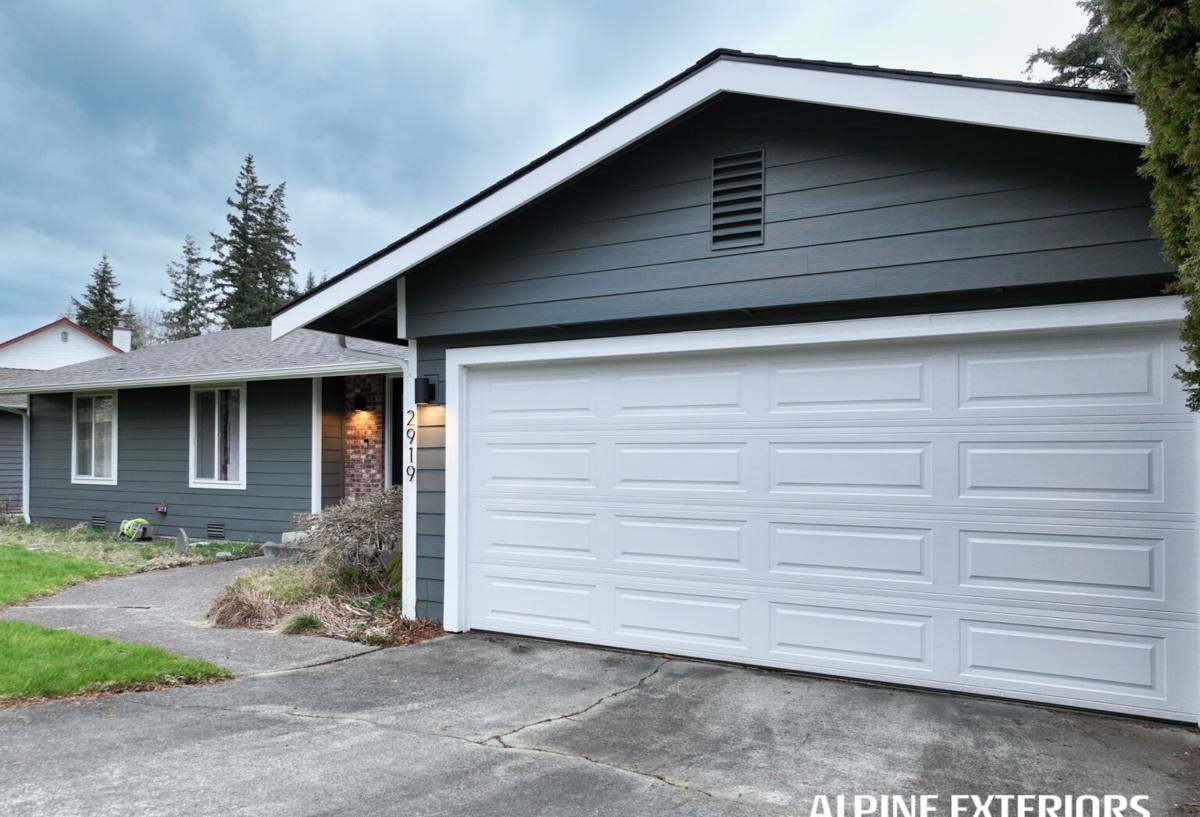
What This Part of Whatcom County Does to Siding
Salt Air and Sustained Moisture
Even set back from the water, homes near Dakota Creek pick up salt-laden air moving inland off Semiahmoo Bay and Drayton Harbor. Salt exposure isn't dramatic day to day, but it steadily works on anything with exposed metal or a factory coating — fasteners, trim hardware, and painted surfaces all age faster under it than they would in a drier, inland market. Siding rated for a milder climate doesn't necessarily hold up the same way here, and that gap tends to show up slowly, as fading or corrosion, rather than as a sudden failure.
Wind-Driven Rain
Rain in this part of Whatcom County rarely just falls straight down. Wind pushes it sideways, driving it into lap joints, under trim, and into any seam where the water management details aren't right. That's a harder test on caulked joints and painted surfaces than an annual rainfall number suggests, and it's one of the main reasons flashing and clearance details matter as much as the siding material itself.
Shade, Tree Cover, and a Long Moss Season
What sets a lot of Dakota Creek properties apart from more open Blaine lots is tree cover. Creek-side and wooded parcels hold shade and moisture longer through the day, and that combination gives moss and mildew a longer growing season on north-facing and shaded walls than a home sitting in open sun would see. Organic growth on a siding surface traps moisture against the wall behind it, and that trapped moisture is where a lot of long-term siding problems actually start, regardless of which material is on the wall.
Why James Hardie Is the Product We Put on These Homes
We install James Hardie fiber cement siding exclusively — not vinyl, not LP SmartSide or other engineered wood, not cedar or primed spruce, and not other fiber cement brands. That's a deliberate standard, not a lack of options. Fiber cement as a category holds up to salt air, wind-driven rain, and sustained shade better than organic or petroleum-based siding materials, because it's an inorganic blend of Portland cement, sand, and cellulose fiber that doesn't have a wood-based core to swell, rot, or feed moss the way some other products can. Within fiber cement, James Hardie is the manufacturer we standardized on, for reasons that matter specifically in a climate like this one.
HZ5 Engineering for This Climate
James Hardie engineers different product lines for different climate zones, and the HZ5 line is built for regions with freeze-thaw cycles and sustained moisture exposure — a closer match to Whatcom County's winters than a product engineered mainly for hot, dry regions. That climate-specific engineering is a real factor in how the board handles years of the wet-then-cold cycle this area goes through every winter.
ColorPlus Factory Finish
Instead of a coat of paint applied on site, Hardie's ColorPlus finish is baked on in multiple coats at the factory, under controlled conditions, before the boards ever reach the job. That finish carries its own warranty separate from the substrate warranty and is formulated to hold color and resist fading better than a field-applied paint job exposed to years of salt air, UV, and shaded moisture the way a Dakota Creek property sees it.
Matching the Right Hardie Profile to a Dakota Creek Property
James Hardie makes several siding profiles, and the right one depends on the home's style and how exposed or shaded the specific lot is. We walk through these options during the estimate rather than defaulting to whatever's easiest to install.
| Hardie Profile | Typical Fit | Consideration for This Area |
|---|---|---|
| HardiePlank lap siding | Traditional and most common look, fits most home styles | Widest color range in ColorPlus; performs well under both open and shaded exposure |
| HardiePanel vertical siding | Modern styling, board-and-batten look | Fewer horizontal laps for wind-driven rain to work into; good fit for accent walls or full facades |
| HardieShingle siding | Cottage or Craftsman-style homes | More surface texture and seams; benefits from careful flashing detail under heavy tree cover |
| HardieTrim boards | Corners, fascia, window and door trim | Matches the siding's moisture and finish performance at the transitions that fail first |
Color choice matters here too. Lighter, non-porous ColorPlus finishes tend to show moss growth sooner on heavily shaded walls, which is worth discussing honestly rather than picking a color purely on curb appeal and dealing with the maintenance question later.
What Correct Installation Involves in These Conditions
Fiber cement's long-term performance depends heavily on installation quality, and a rushed or out-of-spec job can undercut even the right product. On a Dakota Creek property, that means paying close attention to a specific set of details:
- Manufacturer-specified clearances from grade, roofline, and any deck or patio surface, keeping splash-back and standing moisture away from board edges
- Correct fastener type, spacing, and depth, sized for the wind exposure the property actually sees rather than a generic spec
- Proper flashing at every window, door, and penetration, directing wind-driven rain away from seams instead of trapping it behind the siding
- A rain screen or drainage plane behind the siding so any moisture that gets past the surface can drain and dry instead of sitting against the wall sheathing
- Factory-cut edges used wherever the layout allows, with field cuts sealed to spec so the ColorPlus finish's protection isn't compromised at the cut
- Extra attention to shaded and tree-adjacent wall sections, where moisture dries more slowly between rain events
Skip any one of those details and the siding usually still looks right on install day. The consequences show up years later, as a soft seam, a moss-stained wall, or a fastener that's started to corrode from the inside out.
Our Process for a Dakota Creek Job
We start with a site visit, because two properties a quarter mile apart along Dakota Creek can have very different exposure — one open to wind off the bay, another shaded most of the day by trees along the creek. We look at the existing siding's condition if it's a replacement, the grading and drainage around the foundation, and how sun, shade, and wind actually move across the specific walls involved. From there we go through profile and color options that fit the home's style and the property's actual exposure, not a one-size answer used on every job in Whatcom County.
Once the scope is set, the installation follows the sequence above — flashing and drainage details first, since those are the hardest to fix after the siding is up, then the Hardie boards or panels themselves, then trim. We finish with a walkthrough covering what the finished siding actually needs from you going forward, which for correctly installed James Hardie is limited, but not nothing.
Keeping Hardie Siding Performing Long-Term Here
James Hardie siding installed to spec is a low-maintenance product, but "low-maintenance" isn't the same as "no attention needed," especially on a shaded or creek-adjacent lot. A short list worth keeping up with:
- Rinse siding periodically to clear salt residue, pollen, and organic buildup before it works into seams or trim joints
- Check shaded and north-facing walls for early moss or mildew growth, since those areas develop it well before more sun-exposed walls do
- Keep tree branches and shrubs trimmed back from the siding so airflow and sunlight can reach the wall and help it dry between storms
- Inspect caulking around windows, doors, and trim once a year and have any cracked or missing sections redone before the wet season sets in
- Address any soft spots, staining, or fastener issues right away rather than waiting — those are early signs of a detail that needs correcting, not cosmetic issues
Why It Matters That We Already Work This Area
A contractor who mostly works more open, in-town Blaine lots can still install Hardie siding competently, but a Dakota Creek property brings variables that don't come up as often elsewhere — shaded walls that dry more slowly, tree-adjacent moisture patterns, and the same salt air and wind-driven rain the rest of Blaine deals with layered on top. Working this specific area regularly means we're not guessing at those conditions when we scope your job. We know which profiles and colors hold up against sustained shade here, which flashing details actually matter on a creek-side lot, and where a generic install would leave a home under-protected against conditions the manufacturer's standard spec doesn't fully anticipate.
Get a Free, No-Pressure Estimate
If you're considering new siding for a home along Dakota Creek or anywhere else near Blaine, we're glad to walk the property, look at the exposure your specific lot actually gets, and give you a straight answer about what James Hardie siding and installation would look like for your home. Reach out using the form below for a free, no-pressure estimate.
```