 Blaine Siding
 Siding Installation Built for California Creek's Climate
California Creek sits close enough to the water that homes here take a steady beating from salt-laden air, wind-driven rain, and a moss season that can stretch from October well into spring. Whatcom County weather doesn't give siding a break — it's damp more months than it's dry, and whatever's on the exterior of a house needs to shed water, resist rot, and stand up to salt exposure year after year. A siding installation done right in this neighborhood isn't just about appearance. It's about choosing a material and installation method that actually holds up to what California Creek throws at it.
We install James Hardie fiber cement siding exclusively. That's not a marketing angle — it's a standard we hold because we've seen what other materials do in this exact climate, and we'd rather turn down a job than install something we know will disappoint a homeowner in five years.
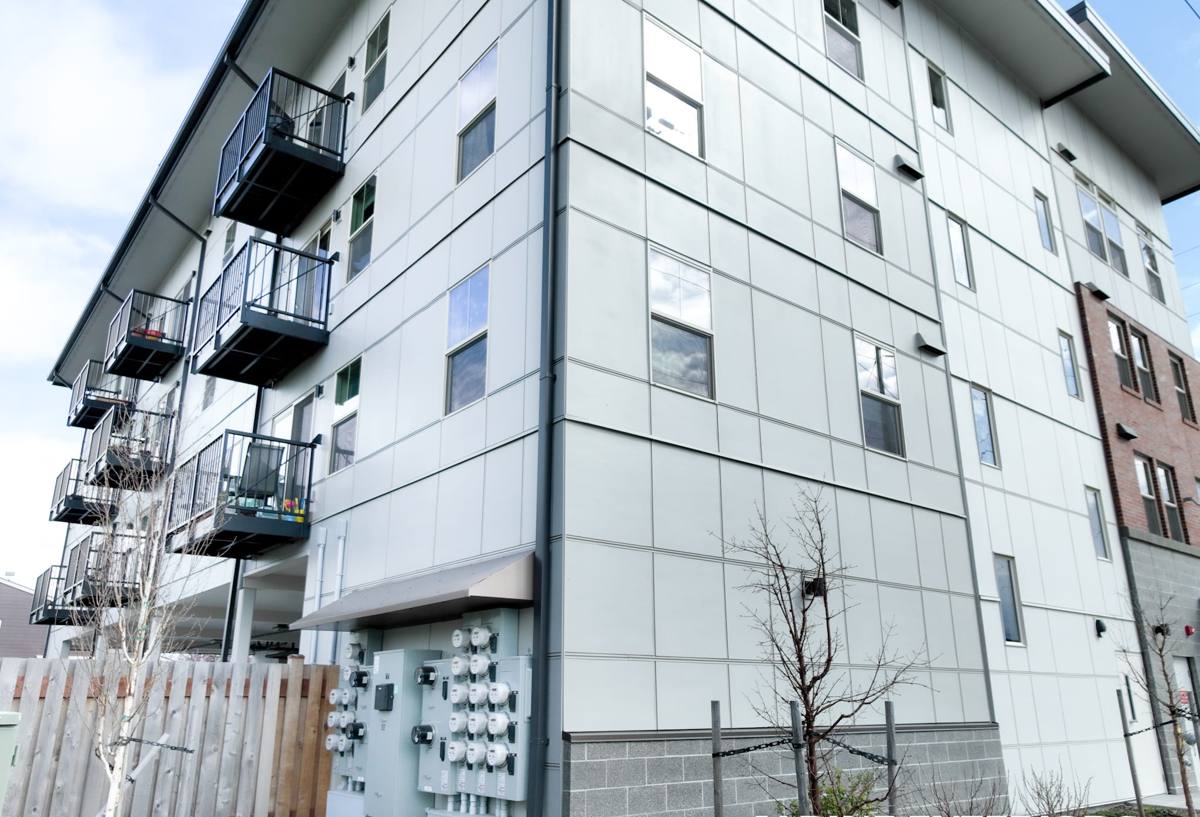
Why Salt Air and Moisture Change the Equation
Homes further inland can sometimes get away with siding choices that would struggle here. California Creek's proximity to saltwater means airborne salt settles on exterior surfaces constantly, accelerating corrosion of fasteners and finishes that aren't rated for it. Combine that with near-constant humidity and a moss season that coats north-facing walls and shaded siding in organic growth, and you've got an environment that punishes anything with a weak moisture defense.
What This Means for Siding Choice
- Materials that absorb moisture (like untreated wood or some composite products) swell, warp, or rot faster in this environment
- Fasteners and trim need corrosion resistance — salt air accelerates rust on standard hardware
- Finishes need to resist moss and algae growth, especially on shaded north and east-facing walls
- Caulking and flashing details matter more here than in drier climates, because any gap becomes a moisture entry point that doesn't dry out quickly
James Hardie's fiber cement composition doesn't absorb water the way wood-based products do, and it doesn't rot. That's the baseline reason it holds up in coastal Whatcom County conditions better than the alternatives we've moved away from.
What a Correct Siding Installation Actually Involves
Siding is only as good as the assembly behind it. A beautiful new exterior over a poorly prepared wall will fail from the inside out, and in a damp climate like this one, that failure shows up faster. Here's what we consider non-negotiable on every installation:
Water Management Comes First
Before a single piece of siding goes up, the water-resistive barrier (house wrap), flashing at windows, doors, and penetrations, and proper drainage planes need to be correct. This is the layer that determines whether incidental moisture — and in California Creek, there will be incidental moisture — drains away from the wall assembly instead of getting trapped behind the siding.
Proper Fastening and Clearances
James Hardie specifies fastener types, spacing, and penetration depth for a reason — get it wrong and you void the warranty and invite problems. We also maintain proper clearance between the bottom of the siding and grade, decks, and roof lines, which keeps splash-back moisture and standing water away from the material's edge, a common failure point when installers cut corners.
Caulking and Joint Treatment
Every seam, joint, and penetration is a potential moisture path. We follow Hardie's caulking specifications closely, using products compatible with the ColorPlus finish where factory-painted boards are used, so joints stay sealed without discoloring the finish.
Ventilation Behind the Siding
A rainscreen gap or properly vented assembly lets any moisture that does get behind the siding dry out instead of sitting against the wall sheathing. In a climate with California Creek's humidity levels, this detail is the difference between siding that lasts decades and a wall assembly that quietly rots for years before anyone notices.
Our Installation Process
- On-site assessment — we look at existing siding condition, wall assembly, moisture damage, and any problem areas (shaded walls prone to moss, low-clearance sections, exposure to prevailing wind and rain)
- Tear-off and inspection — removing old siding lets us inspect sheathing and framing for hidden rot or moisture damage before it gets covered up again
- Repair and prep — any compromised sheathing or framing gets addressed before new water-resistive barrier goes on
- House wrap and flashing — correctly lapped and sealed at every penetration, window, and door
- Hardie installation — installed to manufacturer spec for fastening, clearance, and joint treatment
- Caulking and trim — final sealing and trim work, matched to the ColorPlus finish where applicable
- Final walkthrough — we go over the finished job with the homeowner before calling it done
James Hardie Product Lines for This Area
Hardie makes several siding profiles and product lines, and the right choice depends on the home's style and exposure. For a coastal-influenced neighborhood like California Creek, we generally lean toward Hardie's HZ5 climate-engineered products, formulated for regions with more moisture and temperature swings, though the right specification depends on the specific site.
| Product | Best Suited For | Key Advantage |
|---|---|---|
| HardiePlank lap siding | Most home styles, traditional look | Widest range of textures and widths |
| HardieShingle | Accent areas, gable ends | Cedar-shingle appearance without the moisture absorption |
| HardiePanel | Modern or board-and-batten styles | Clean vertical lines, fewer horizontal joints |
| HardieTrim | Corners, window and door surrounds | Matches siding durability at high-exposure edges |
All of these carry Hardie's factory-applied ColorPlus finish as an option, which resists fading and chipping better than field-applied paint — a real advantage in a climate where repainting exterior siding is disruptive and homeowners want to go as long as possible between maintenance cycles.
Why We Don't Install Vinyl, LP SmartSide, or Other Alternatives Here
We get asked about cheaper alternatives regularly, and we're straightforward about why we don't offer them. Vinyl siding is inexpensive and low-maintenance in mild climates, but it's a poor performer in wind-driven rain and can become brittle in the swings between damp cold snaps and summer heat we get in this region — and it's not fire-resistant. LP SmartSide and similar engineered wood products use a wood-strand core that, while treated, is still fundamentally wood-based and more vulnerable to moisture intrusion at cut edges and joints than fiber cement — a real concern given how much of the year California Creek stays damp. Cedar and primed spruce look great initially but require far more ongoing maintenance to resist rot and moss in this climate than most homeowners want to take on.
None of these are bad products in every context. They're just not the right fit for a coastal Whatcom County exterior that needs to go 30+ years with minimal intervention, which is why we standardized on Hardie fiber cement and don't install the alternatives.
Moss and Algae: A California Creek-Specific Concern
Moss season here isn't a minor nuisance — it's a real factor in siding longevity. Shaded walls, especially those facing north or tucked under overhangs and tree cover, accumulate moisture and organic growth faster than sun-exposed walls. Left unaddressed, moss holds moisture against the siding surface, which is bad news for any material but especially bad for anything with a wood-based component.
What Helps Reduce Moss Buildup
- Trimming back vegetation and tree cover that shades and dampens exterior walls
- Maintaining gutters so overflow doesn't run down and saturate the siding face
- Choosing finishes and colors less prone to showing organic staining
- Periodic gentle washing (never high-pressure directly on siding joints) to remove buildup before it establishes
Fiber cement's non-organic composition means moss doesn't feed on the material itself the way it can degrade wood-based sidings over time, which matters a lot in a neighborhood with this much shade and moisture exposure.
Cost Factors for a California Creek Installation
Every home is different, but the factors that most affect installation cost and scope are consistent. We give honest, project-specific estimates rather than ballpark numbers pulled from a national average, because local exposure and existing wall condition change the scope significantly.
| Factor | Why It Matters Here |
|---|---|
| Existing wall condition | Hidden moisture damage from prior siding is common in coastal-exposed homes and adds repair scope |
| Home size and complexity | More corners, dormers, and trim details mean more cutting, fitting, and flashing work |
| Product line and profile | HZ5 boards, shingle profiles, and factory ColorPlus finishes carry different material costs |
| Access and site conditions | Waterfront-adjacent lots can have tighter access or landscaping considerations affecting labor time |
| Removal and disposal | Tear-off of old siding, especially if moisture-damaged, adds time and disposal cost |
Why Hire a Crew That Already Works This Neighborhood
Installation quality is what determines whether siding performs for 30 years or fails in five, and that's especially true in a demanding coastal climate. A crew that already understands California Creek's exposure — the salt air, the wind direction during storms, which walls stay damp longest — makes better judgment calls on flashing details, clearance, and product selection than a crew working the area for the first time. We've built our whole business around installing one product system correctly rather than offering every option and hoping the installation makes up the difference. That focus means fewer surprises, a warranty that actually means something, and a homeowner who isn't calling us back in three years about a problem that should have been caught during installation.
If you're considering new siding for a home in California Creek, we're happy to take a look, talk through what your specific exposure and wall condition call for, and give you a straightforward, no-pressure estimate. There's a form below — reach out and we'll get you scheduled.