 Blaine Siding
 Why Board & Batten Fits Ferndale Homes So Well
Board and batten has a long history in this part of Whatcom County, and it's not just an aesthetic choice. The vertical lines read well on farmhouses, craftsman remodels, and newer construction alike, and the wide flat boards with narrow battens covering the seams give a wall a clean, strong shadow line that horizontal lap siding doesn't produce. In Ferndale specifically, where homes sit close enough to the water to catch salt-laden air off the Strait of Georgia and Drayton Harbor, and far enough inland to also deal with the shaded, damp lots common along the river bottoms and tree lines, the siding profile matters less than what it's made of and how it's put on the wall.
That's the real story with board and batten. The look is easy to get. The performance is not — and performance is what determines whether a homeowner is repainting and patching in eight years or not thinking about their siding for decades.
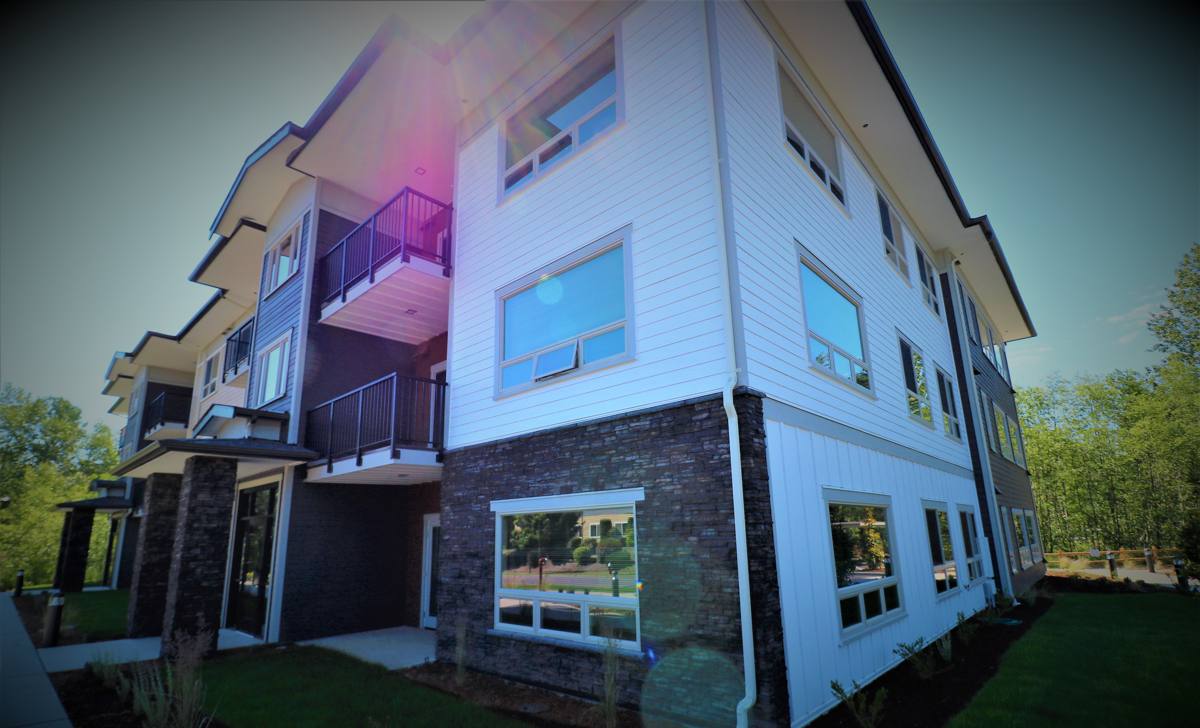
What "Correct" Board & Batten Installation Actually Involves
Board and batten gets a bad reputation in wet climates when it's installed as a face-nailed, flat-to-the-sheathing assembly with no path for water to escape. Every seam, every batten strip, and every horizontal joint is a place where wind-driven rain can find its way behind the cladding. In Blaine and Ferndale, where driving rain off the water is a normal winter event and not a rare storm, that detail is the difference between siding that lasts and siding that traps moisture against the wall assembly.
Rainscreen and Drainage Behind the Boards
A correct install uses a drainage plane — typically a weather-resistive barrier plus a vertical furring strip or engineered drainage mat — so that any moisture that gets past the battens has somewhere to go besides the sheathing. This gap also lets the assembly dry out after the inevitable soaking that comes with a Pacific Northwest winter. Skipping this step to save labor is the single most common shortcut we see on board and batten jobs that fail early.
Fastening and Board Spacing
Fiber cement board and batten needs to be fastened per the manufacturer's engineering, not "however the last job was done." Fastener spacing, edge distance, and the gap left for expansion all affect how the panels handle temperature swings and moisture cycling without cracking at the fastener line or buckling at the seams.
Trim, Corners, and Penetrations
Outside corners, window and door casings, and any wall penetration (vents, hose bibs, light fixtures) are where water intrusion actually starts on most homes — not in the field of the wall. Flashing detail at the top of every window and door, correct kerf-cut or back-primed trim, and sealant only where the manufacturer specifies it (not everywhere, which traps water instead of shedding it) are non-negotiable on every board and batten job we do in this area.
The James Hardie Board & Batten System We Install
We install James Hardie fiber cement exclusively — no vinyl, no LP SmartSide, no primed spruce or cedar board and batten. That's a deliberate standard, not a brand preference for its own sake, and it matters most on a profile like board and batten where every seam is exposed to the weather.
HZ5 Climate Engineering for the Pacific Northwest
Hardie manufactures its fiber cement in region-specific HZ formulations, and homes in Whatcom County fall in the HZ5 zone, engineered for wetter, cooler climates with freeze-thaw cycling. Fiber cement doesn't absorb and swell the way wood-based products can, and it won't support the moss and mildew growth that untreated wood board and batten is prone to under the tree cover common around Ferndale.
ColorPlus Factory Finish vs Field Painting
Hardie's ColorPlus finish is baked on at the factory under controlled conditions, with a finish warranty that a field-applied paint job can't match. For a profile with as many board edges and seams as board and batten, factory-finished edges (Hardie's ColorPlus touch-up and caulk system is designed for this) hold color and resist fading far better than site-painted cut edges exposed to marine air and UV.
Comparing Board & Batten Materials
| Material | Moisture Behavior | Maintenance | Typical Lifespan |
|---|---|---|---|
| James Hardie fiber cement | Non-combustible, dimensionally stable, doesn't swell or rot | Occasional wash; factory finish resists fading | 30+ years with correct install |
| Primed wood / cedar | Absorbs moisture, prone to cupping and rot at seams | Repaint every 3-7 years, ongoing caulk maintenance | 10-20 years in wet climates |
| Vinyl board & batten | Sheds water on the surface but seams and J-channels can trap it | Low, but color fades and panels can warp | 15-25 years, more if not UV/impact damaged |
| Engineered wood (LP-style) | Treated for moisture resistance but still wood-based at the core | Moderate; edge sealing critical | Variable, highly install-dependent |
None of these materials are "bad" outright — but on a profile with this many seams, in a climate with this much sustained wet weather, we've made fiber cement our only standard because it removes the moisture-absorption variable entirely.
Our Process for Ferndale Projects
Every board and batten job starts with a wall assessment, not a siding order. We look at what's currently on the house, whether the sheathing underneath has taken on moisture damage, and what the exposure looks like on each elevation — a wall facing the prevailing weather off the water needs the same rainscreen detail as one tucked behind trees, since both deal with sustained dampness, just from different sources.
- Site walk-through and existing siding/sheathing inspection
- Moisture and rot assessment before any tear-off begins
- Drainage plane and rainscreen installation per current best practice
- Hardie board and batten install to manufacturer fastening specs
- Flashing detail at every window, door, and penetration
- Final walk-through with the homeowner before we consider the job done
We don't quote a job off a photo or a square footage guess. What's behind the existing siding changes the scope, and we'd rather tell a Ferndale homeowner that upfront than surprise them mid-project.
Living With Board & Batten Siding in Whatcom County
Salt air, driving rain, and a long moss season all take their toll on any exterior surface here, and board and batten siding is no exception — the difference is how much that toll shows. Fiber cement doesn't feed moss growth the way bare wood does, and it doesn't pit or chalk the way some vinyl products can after years of salt exposure. Homeowners still need to do the basics: keep gutters clear so water isn't sheeting down the wall face, keep vegetation trimmed back from the siding so damp foliage isn't sitting against it, and rinse the exterior occasionally to clear salt residue and organic buildup before it has a chance to stain the finish.
What homeowners don't need to do with a correctly installed Hardie system is repaint every few years, chase rot at the seams, or worry about battens cupping away from the wall after a wet winter. That's the practical payoff of choosing the right material for this climate rather than the cheapest one.
Why a Blaine-Based Crew That Already Works Ferndale Matters
Whatcom County's mix of marine exposure, river-bottom dampness, and long shoulder seasons of rain isn't uniform — it changes block to block depending on tree cover, wind exposure, and elevation. A crew that already works this specific area has already seen how these conditions play out on real walls, not just in a manual. We know what county permitting looks like for exterior re-siding work here, what inspectors want to see on flashing and drainage details, and how local weather windows affect scheduling a tear-off so a wall isn't left exposed overnight during a wet stretch.
That local familiarity also means we're not guessing at exposure categories or treating every wall the same. A board and batten installation on a Ferndale home facing open weather gets the same rigor as one on a sheltered lot — the goal on every job is a wall assembly that's still performing correctly a decade or two from now, not just one that looks good at the final walk-through.
Checklist: What to Ask Before You Hire for Board & Batten
- Do they install a true drainage plane/rainscreen behind the battens, or fasten directly to the sheathing?
- What fiber cement HZ formulation are they specifying for this climate zone?
- Will cut edges and field seams be factory-finished/touched up per manufacturer spec, or left to weather?
- How do they flash windows, doors, and penetrations before the siding goes on?
- Can they explain their fastening schedule, or are they eyeballing it?
- Do they carry manufacturer certification for the specific product they're installing?
If a contractor can't answer these clearly, that's worth knowing before the tear-off starts, not after.
If you're weighing board and batten for a home in Ferndale or elsewhere around Blaine, we're glad to come take a look and talk through what your walls actually need. There's no cost and no pressure to the estimate — just a straight assessment from a crew that works this area and this material every day.