 Blaine Siding
 Building on Blaine Harbor: What the Climate Asks of Your Windows
Blaine Harbor sits right where the wind comes off the water, and that changes what a window needs to survive. Salt-laden air corrodes hardware and finishes faster than it does further inland, wind-driven rain finds its way into any gap in the flashing detail, and Whatcom County's long, wet moss season keeps exterior surfaces damp for months at a stretch. On a new-construction project, you get one real chance to get the window opening right before siding, trim, and interior finishes close it up. That makes the installation itself, not just the window unit you buy, the thing that determines whether the house stays dry for the next 20 years.
We install new-construction windows for builders and homeowners working in and around Blaine Harbor, and the details below are the ones we actually pay attention to on every job, not a generic list pulled from a manufacturer brochure.
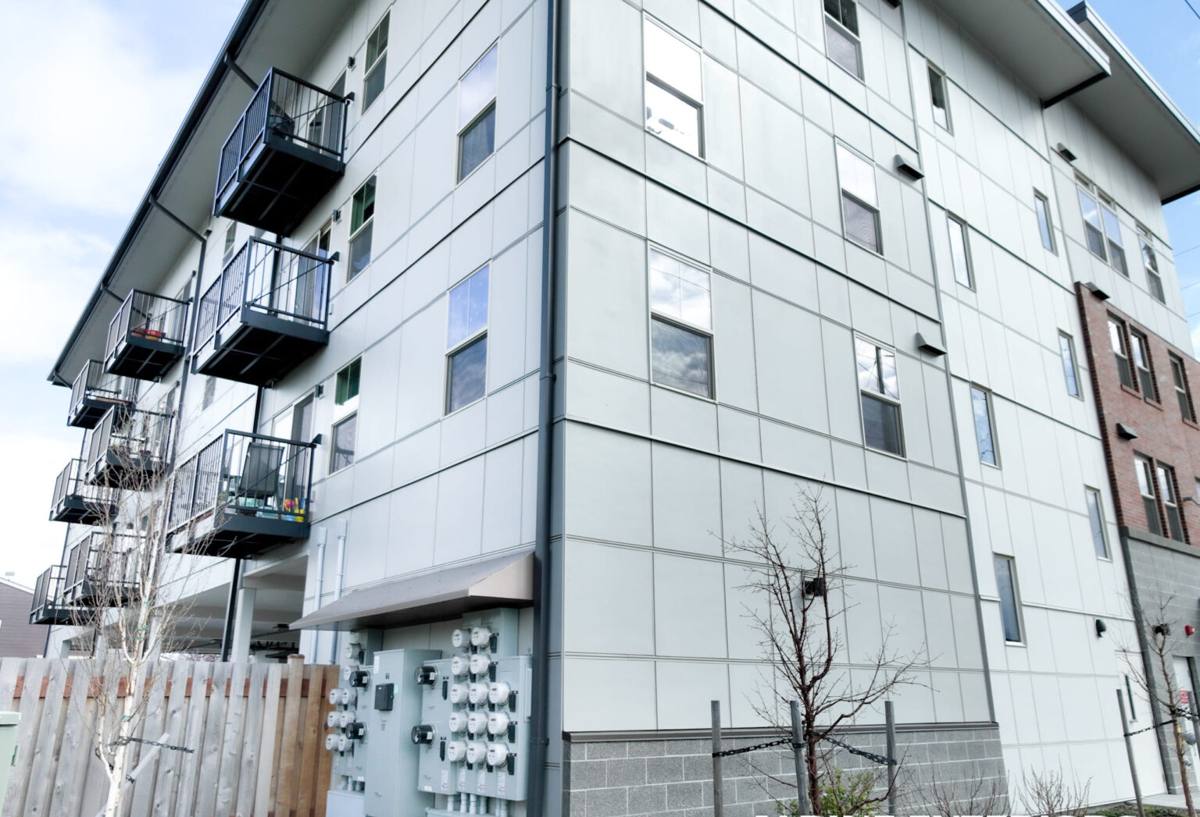
New-Construction Installation vs. Retrofit Replacement
New-construction windows and retrofit (or "pocket") replacement windows are built and installed differently, and the difference matters a lot in a marine climate. A retrofit window slides into an existing frame and relies on that old frame's flashing, which may or may not be in good shape. A new-construction window gets installed into a bare rough opening, which means the flashing, the weather-resistive barrier, and the window itself can all be integrated as one continuous water-shedding system. On a harbor-adjacent lot with regular exposure to blowing rain, that continuous system is worth the extra labor.
Nail-Fin vs. Block-Frame Windows
Most new-construction windows use a nailing fin that gets fastened to the sheathing and lapped with the house wrap or building paper. Block-frame windows, more common on masonry or some higher-end builds, get set into a rough opening with a separate flashing and trim system. Either approach can perform well here, but the fin type has to match how the wall is built — mixing details invites leaks. We confirm this before the window ever ships, not after it shows up on site.
The Weatherproofing Details That Actually Matter
Window failures on the water side of Whatcom County are almost never about the glass or the frame material. They're about water finding a way behind the window and having nowhere to go. Three details decide that outcome.
Sill Pan Flashing
Every rough opening gets a sloped, sealed sill pan before the window sets in place. This creates a dam and a drainage path so that any water that does get past the window — through wind pressure, a failed sealant joint, or condensation — drains back out to the exterior instead of soaking into the sill framing. Skipping this step is the single most common cause of hidden rot we see in coastal Washington construction.
Head Flashing and Drip Caps
Above the window, flashing needs to shed water outward and down, lapped correctly under the weather-resistive barrier so gravity — not caulk — is doing the work. In a location that sees sustained driving rain off the bay, a head flashing that's taped instead of properly lapped is a maintenance item waiting to happen.
Integrating with the Weather-Resistive Barrier
The window's flashing has to tie into the house wrap in the correct shingle-lap sequence: barrier first, then sides, then head flashing over the top, always working top-down so each layer sheds onto the one below it. We coordinate this step directly with the framing and siding crews on new builds so nobody covers up a detail before it's inspected.
Choosing a Frame Material for Salt Air and High Rainfall
There's no single "best" frame material — each has real trade-offs once you factor in salt exposure, moisture cycling, and long-term maintenance. Here's how the common options compare for a Blaine Harbor build.
| Frame Material | Salt Air / Corrosion | Moisture Behavior | Maintenance |
|---|---|---|---|
| Vinyl | Does not corrode; hardware is the weak point | Won't rot; can expand/contract with temperature swings | Low — occasional cleaning |
| Fiberglass | Very stable, minimal corrosion risk | Dimensionally stable in wet/dry cycling | Low — paintable if desired |
| Aluminum-clad wood | Cladding resists salt well; exposed wood interior needs protection | Good exterior protection, but any cladding breach exposes wood to rot | Moderate — watch seams and corners |
| Bare wood | No corrosion, but finish breaks down faster in salt air and UV | Highest rot risk if finish fails | High — regular refinishing needed |
For most new builds near the harbor, we steer homeowners toward vinyl or fiberglass because they hold up with the least ongoing attention. Clad-wood units can look great and perform well, but only if the cladding is fully intact everywhere — corners, sash edges, and drilled hardware points included — since that's where salt-driven moisture gets in first. We're not against wood windows; we just want a homeowner to walk in knowing what the upkeep commitment looks like before they commit to it.
Glass and Performance Packages Worth Considering
Double-pane, low-E glass with an argon fill is standard practice on new construction here and earns its keep in a climate with mild but persistent heat loss through the winter. A few options worth discussing on a Blaine Harbor build specifically:
- Low-E coatings — help control heat loss without darkening the room, standard on nearly every quality window today
- Tempered glass — required by code near doors, low sills, and wet areas; your window schedule should already flag these locations
- Condensation resistance — a real consideration in a damp marine climate where interior humidity plus cold glass can fog windows; better spacer systems and gas fills reduce this
- Impact or laminated glass — not a code requirement here, but some homeowners near open water ask about it for wind-driven debris; we can walk through whether it makes sense for your specific exposure
Our Installation Process on New-Construction Jobs
The process is straightforward, but the sequencing is where quality is won or lost:
- Verify rough openings against the approved window schedule before any units are ordered — wrong sizes are cheaper to catch on paper than after framing is closed up
- Install sloped sill pan flashing at every opening
- Set the window plumb, level, and square, and confirm it operates correctly before it's fastened permanently
- Flash the sides and head in the correct shingle-lap sequence with the weather-resistive barrier
- Insulate the perimeter gap correctly — overfilling with expanding foam can bow the frame and cause operational problems down the road
- Document flashing details with photos before siding closes the wall, so there's a record of what's behind the finish
A Pre-Install Checklist for Builders and Homeowners
If you're coordinating a new build or major addition near Blaine Harbor, these are worth confirming before window installation day:
- Window schedule matches the rough openings actually framed on site
- Weather-resistive barrier is installed and lapped correctly before windows arrive
- Sill pan flashing material is compatible with both the window frame and the barrier (some tapes and membranes don't bond well to certain vinyl or clad finishes)
- Tempered glass locations are confirmed against code requirements for your specific layout
- Exterior trim and siding plan is finalized so flashing laps are built for the actual finish material, not guessed at
- A walkthrough is scheduled before siding closes the wall, so flashing can be verified while it's still visible
Why a Crew That Already Works Blaine Harbor Matters
A crew that installs windows across Whatcom County regularly, in homes exposed to the same wind and moisture patterns as Blaine Harbor, isn't guessing at flashing details from a manual — they've seen which details hold up over years in this specific climate and which ones show problems early. That matters more here than in a drier inland market, because the margin for error on flashing sequencing is smaller when the site sees sustained wind-driven rain for months at a time. It also means we're already familiar with how local framing and siding crews typically build a wall, which keeps coordination on a job site simple instead of adversarial.
Living With New Windows Through Whatcom County's Moss Season
Moss and algae growth on and around windows isn't a sign the window failed — it's a sign the exterior stays damp for long stretches, which is normal in this region for much of the year. A few habits keep new windows performing well long after installation:
Keep gutters and downspouts clear so runoff isn't sheeting directly across window heads. Rinse sills and tracks periodically to clear organic buildup before it holds moisture against the frame. Check exterior caulking at trim joints annually — sealant is a secondary defense behind the flashing, not the primary one, but it still needs attention as it ages. And if you ever see staining or soft trim below a window, have it looked at early; caught right after it appears, it's usually a small fix, not a wall repair.
If you're planning new construction or an addition near Blaine Harbor and want windows installed the way this climate actually requires, we're happy to walk the plans with you and put together a free, no-pressure estimate.