 Blaine Siding
 Windows Built for Life on Blaine Harbor
Homes around Blaine Harbor sit about as close to the water as a house in Whatcom County can get. That's part of the appeal — but it also means your windows work harder here than they would a few miles inland. Salt-laden air off the harbor, wind-driven rain that comes in sideways during winter storms, and the shaded, damp conditions that fuel a long moss season all put steady stress on window frames, seals, and glazing. A window that's rated "energy efficient" on a spec sheet in a showroom doesn't automatically perform that way once it's facing the harbor for a few winters.
This page covers what actually matters when you're replacing or upgrading windows on a Blaine Harbor property — the climate factors specific to this stretch of the coast, what a correct installation looks like, and how to tell a well-built window job from one that just looks good on installation day.
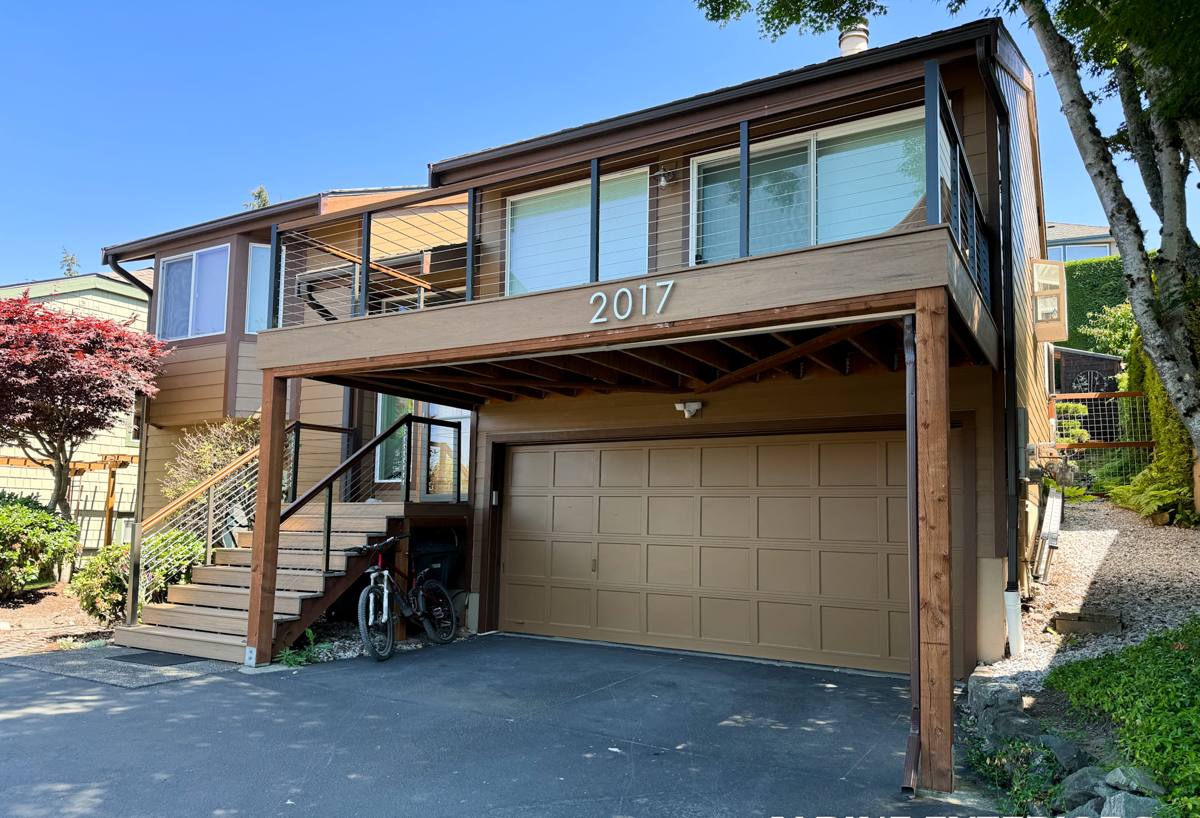
What the Harbor Environment Does to Windows Over Time
Salt Air and Hardware
Air coming off saltwater carries fine salt particles that settle on everything nearby, including window frames, weep holes, and hardware. Over years, that exposure can corrode lower-grade fasteners, hinges, and locking mechanisms faster than you'd see on a home set back from the water. It also breaks down cheaper finishes and coatings, which is why frame material and hardware quality matter more here than they would on a home ten miles inland.
Wind-Driven Rain
Storms moving through this part of the Strait of Georgia and Semiahmoo Bay area don't just drop rain straight down — wind pushes it sideways and up under trim, sills, and poorly sealed joints. Windows that would stay dry in a calmer climate can take on water here if the flashing, sill pan, and sealant weren't installed correctly. This is less about the window unit itself and more about everything around it — which is why installation quality often matters as much as the product you choose.
Moss, Shade, and Sustained Moisture
Whatcom County's long, wet moss season isn't just a roof and siding problem. Trim and sills that stay damp for extended stretches — especially on shaded, north-facing walls common near the harbor — are more prone to wood rot around older window openings and more likely to trap moisture behind poorly sealed replacement units. Any window project here needs to account for how the opening will drain and dry, not just how the window itself performs.
What "Energy-Efficient" Actually Means in This Climate
Energy efficiency for a window comes down to a handful of measurable properties, and not all of them matter equally in a marine climate like Blaine's.
U-Factor: Keeping Heat Inside
U-factor measures how well a window resists heat loss — lower is better. In a climate where winters are damp and heating season runs long, U-factor is usually the number that affects your comfort and your heating bill the most. Double-pane windows with a quality low-E coating and gas fill get you most of the way there for most Blaine Harbor homes; triple-pane can make sense on north- or west-facing walls that catch the worst of the wind and weather.
Solar Heat Gain Coefficient
This measures how much solar heat passes through the glass. It matters less here than it would in a hot, sunny climate, but it's still worth getting right on south-facing rooms that see direct sun in summer — you don't want a window so optimized for winter heat retention that the house overheats in July.
Air Leakage and Condensation Resistance
Given the humidity and temperature swings near the water, condensation resistance is worth asking about specifically. A window that resists interior condensation will hold up better against the mold and mildew issues that damp coastal homes are prone to, especially in bedrooms and bathrooms with less airflow.
Comparing Frame Materials for a Harbor-Facing Home
Frame material affects durability, maintenance, and how the window performs against salt air and moisture over the long run. Here's how the common options stack up for a property like yours:
| Frame Material | Salt Air / Moisture Performance | Maintenance | Typical Fit for Blaine Harbor |
|---|---|---|---|
| Vinyl | Good — won't corrode or rot; seams are the main weak point | Low | Solid, cost-effective choice for most homes |
| Fiberglass | Very good — dimensionally stable, resists warping in temperature swings | Low | Strong option for exposed, wind-facing walls |
| Wood-clad | Fair — cladding protects the exterior, but any breach exposes wood to rot | Moderate to high | Best reserved for sheltered elevations, not direct harbor exposure |
| Aluminum | Poor to fair — conducts cold, prone to interior condensation in this climate | Low | We generally steer clients away from it here for that reason |
We're not against any of these materials as a category — wood-clad windows have real appeal, and aluminum has its place in commercial and specific architectural applications. But for a home taking direct salt air and wind-driven rain off the harbor, we set our default recommendation toward vinyl or fiberglass because they hold up with the least maintenance burden over time. That's a standard we apply based on how this climate treats materials, not a knock on any manufacturer.
Signs Your Current Windows Are Losing the Battle
Before deciding to replace windows, it helps to know what to actually look for. Walk your home's harbor-facing side and check for these:
- Fogging or moisture trapped between panes — a sign the seal has failed and the insulating gas fill is gone
- Soft or discolored trim and sills, especially on shaded or north-facing walls
- Visible corrosion or stiffness in locks, hinges, or cranks
- Drafts you can feel by hand along the frame edge on a windy day
- Condensation forming on the inside of the glass regularly, not just on especially cold mornings
- Difficulty opening, closing, or locking windows that used to operate smoothly
- Visible daylight or gaps where the frame meets the siding or trim
- A noticeable difference in room temperature near the window compared to the rest of the house
Any one of these on its own isn't necessarily urgent. Several together, especially combined with a noticeably higher heating bill, usually means the windows are no longer doing their job.
What a Correct Installation Actually Involves
The window unit itself is maybe half the job. The other half is everything that happens around it, and it's where most long-term problems start if it's rushed or skipped.
Removing and Inspecting the Opening
Once the old window is out, the opening gets inspected for rot, moisture damage, or compromised framing — common on older homes near the water where trapped moisture has had years to work on the wood. Any damaged material gets addressed before a new window goes in; installing a new window over a compromised opening just hides the problem for a while.
Flashing and the Sill Pan
Proper flashing directs water that gets past the exterior cladding back out and away from the wall assembly, and a sill pan gives it somewhere to drain instead of pooling at the bottom of the frame. This detail matters everywhere, but it matters more on a home absorbing regular wind-driven rain off the harbor.
Sealing and Insulating the Gap
The gap between the window frame and the rough opening needs to be insulated and air-sealed correctly — not overfilled with expanding foam, which can bow the frame, and not left with gaps that let air and moisture through. This step affects both energy performance and long-term durability.
Exterior Sealant and Trim
The exterior seal is your first line of defense against salt air and driving rain. It needs a sealant rated for exterior marine exposure, applied correctly around the full perimeter, with trim reinstalled or replaced so water sheds away from the window rather than toward it.
Our Process for Blaine Harbor Window Projects
- Walkthrough and assessment — we look at each window's exposure, current condition, and the specific conditions of your elevation (harbor-facing, shaded, wind-exposed, etc.)
- Product recommendation — we recommend frame material and glazing package based on that exposure, not a one-size-fits-all package
- Written estimate — a clear scope and price range before any work starts, with no pressure to decide on the spot
- Careful removal — old windows come out with attention to the surrounding wall assembly, not just the unit itself
- Opening repair if needed — any rot or moisture damage found during removal gets addressed before installation continues
- Installation with proper flashing and sealing — following the sequence that actually keeps water out in this climate
- Final check — operation, seal, and finish work reviewed before we consider the job done
What Affects the Cost
Every home and window count is different, so we don't publish flat pricing — but these are the main factors that move the number up or down:
| Factor | Why It Matters |
|---|---|
| Frame material | Fiberglass generally costs more than vinyl; wood-clad more still |
| Glazing package | Double-pane low-E vs. triple-pane, plus gas fill type |
| Number and size of openings | Larger and more numerous windows increase material and labor |
| Installation type | A retrofit insert into a sound frame costs less than a full-frame tear-out |
| Condition of the existing opening | Rot or moisture damage found during removal adds repair scope |
| Access and site conditions | Second-story or hard-to-reach windows take more time and equipment |
As a broad range, homeowners in this area typically see costs from the low thousands for a handful of standard windows up to well into five figures for a full-home, higher-end window replacement. The only way to get an accurate number is a walkthrough of your specific windows and openings.
Why Local Experience with This Stretch of Water Matters
A contractor who mainly works inland doesn't necessarily think about salt air corrosion, sill pan drainage in a wind-driven rain event, or how a north-facing, moss-prone wall behaves differently from a sun-facing one. That's not a knock on general contracting skill — it's just a different set of conditions than most Whatcom County homes deal with. Working regularly on homes around Blaine Harbor means we've seen how these specific conditions play out over years, not just on installation day, and we build our recommendations and installation details around that rather than a generic checklist.
If your windows are drafty, fogged, hard to operate, or you're just planning ahead for a home near the water, we're happy to walk your property, look at each elevation's exposure, and give you an honest read on what makes sense. Reach out for a free, no-pressure estimate using the form below.