 Blaine Siding
 Why Birch Point Decks Wear Out Faster Than You'd Expect
Birch Point sits close enough to the water that every deck out here is fighting a three-front war: salt-laden air, driving rain off the Strait, and a moss season that can run from October through May. None of that is unique to any one house — it's just the reality of building and maintaining outdoor structures in this part of Whatcom County. But it does mean a deck that would last 20 years without much trouble somewhere inland can start showing real problems in half that time here if it wasn't built or maintained with that exposure in mind.
Salt air accelerates corrosion on anything metal — nails, screws, joist hangers, bolts — even when the fasteners are rated for exterior use. Combine that with wind-driven rain that gets pushed sideways into ledger boards, stair stringers, and railing posts, and you've got moisture finding its way into joints that were never designed to shed water from that angle. Add a long, damp shoulder season where moss and algae get a real foothold on horizontal surfaces, and you have a deck that's under more sustained stress than the building code assumptions behind most residential deck framing.
None of this means a deck near Birch Point is doomed to fail early. It means the repair work has to account for what's actually attacking the structure, not just patch the symptom that's visible from the yard.
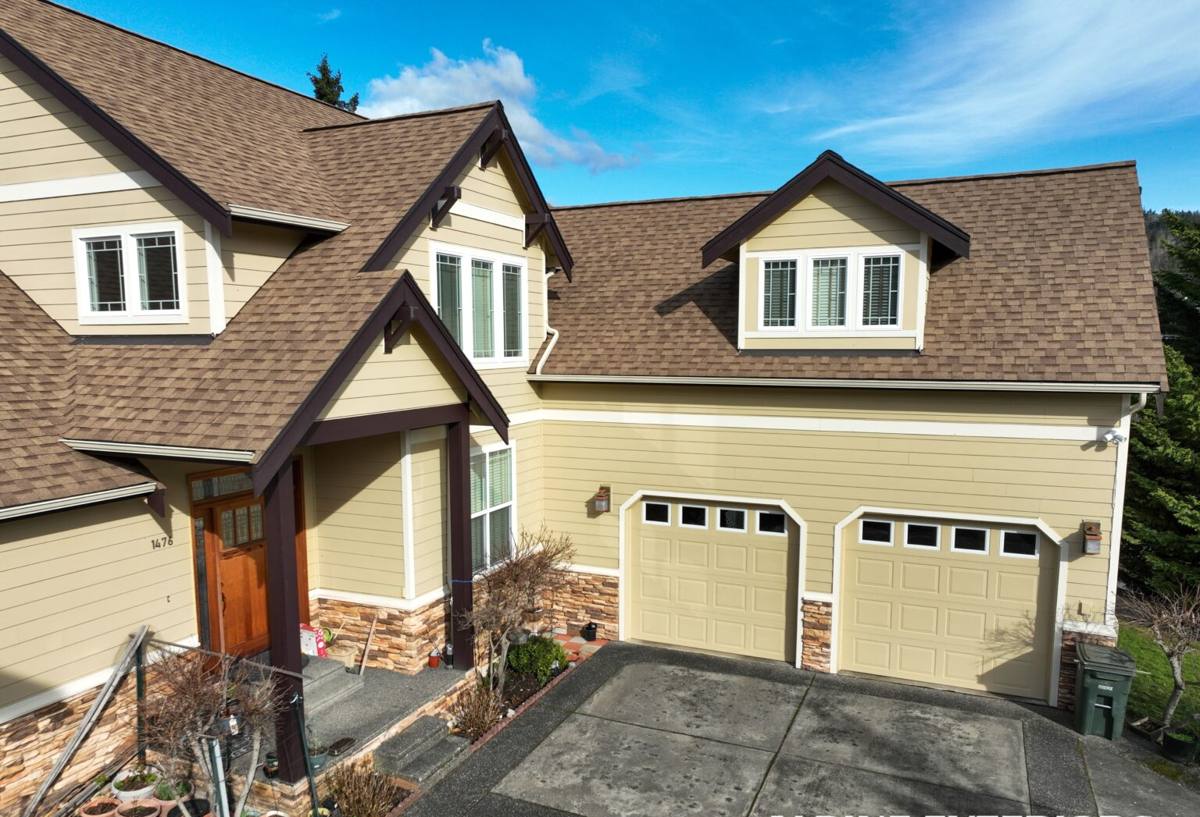
Signs a Birch Point Deck Needs Repair
Most deck problems out here start small and stay hidden until they're not. A few things worth checking regularly, especially after a wet winter:
- Soft or spongy spots underfoot, particularly near the house or at board ends
- Rust streaks bleeding from screw heads or joist hanger nails
- Gaps opening up where the deck meets the house (ledger board separation)
- Railing posts that wiggle more than they used to
- Persistent green or black staining on boards that doesn't scrub off easily
- Stair stringers that flex or creak under normal weight
- Standing water that takes more than a day to dry after rain
- Visible gaps or cracking where flashing meets siding above the ledger
Any one of these on its own might be minor. Several at once, especially combined with the deck's age, usually means it's time for a proper inspection rather than another round of surface patching.
What a Correct Deck Repair Actually Involves
A repair that actually holds up in this climate starts below the decking, not at it. Here's what we look at, in order.
Ledger Board and Flashing
The ledger board — where the deck attaches to the house — is the single most common failure point on decks anywhere, and salt air and driving rain make it worse here. If flashing was installed poorly or has failed, water gets trapped between the ledger and the house sheathing, and rot sets in where you can't see it until the deck starts to pull away or sag near the house. A correct repair means pulling decking back far enough to actually inspect the ledger and flashing, not just caulking the visible gap and hoping.
Framing, Joists, and Fasteners
Joists and beams that have taken on moisture develop soft, punky wood at the ends and where they contact hangers. We check hanger hardware for rust and pull integrity — corroded hangers lose holding strength well before they look obviously "bad" from the ground. Any fastener replaced in a repair should be stainless or heavy hot-dip galvanized rated for the exposure, not just whatever standard exterior screw is on the shelf. Cutting corners here is exactly how a deck ends up needing the same repair again in five years.
Decking Boards and Surface Repair
Individual board replacement makes sense when the framing underneath is sound and the damage is isolated — cupped boards, splinter-prone wood, or a section that's taken more moss and algae damage than the rest. We match fastener spacing and type to whatever decking material is already in place, and we make sure replacement boards are sealed on all six sides before installation if it's wood, since end grain is where moisture gets in fastest.
Railings and Stairs
Railing posts near the water side of a home take a disproportionate amount of wind-driven rain. Loose posts are almost always a sign of moisture damage at the base connection, not just a loose bolt — tightening it without addressing the wood underneath is a temporary fix at best. Stair stringers get the same scrutiny, since they're structural and carry foot traffic directly.
Repair or Replace? How We Help You Decide
Not every deck problem calls for a full rebuild, and not every deck is worth repairing piece by piece. The honest answer depends on how much of the structure is still sound.
| Factor | Leans Toward Repair | Leans Toward Replacement |
|---|---|---|
| Framing condition | Joists and beams solid, isolated soft spots | Widespread rot or corrosion in structural members |
| Age of deck | Under 15 years, built to reasonable standards | 20+ years, especially with older untreated lumber |
| Ledger/flashing | Flashing intact, minor gaps | Flashing failed or missing, ledger showing rot |
| Scope of damage | Contained to a few boards or one railing section | Damage spread across multiple structural areas |
| Code compliance | Original build meets current attachment standards | Original build predates current ledger/hardware code requirements |
We'll walk the deck with you and point out exactly what we're seeing and why it lands where it does on that spectrum. If a repair is genuinely the right call, we'll say so — there's no reason to sell a full rebuild when a targeted fix will hold up.
Material Choices When Repairing a Deck Near the Water
What we repair with matters as much as how we repair it. A few honest trade-offs worth knowing:
Pressure-treated lumber is the most common decking and framing material and holds up reasonably well when properly sealed and maintained, but it requires more upkeep in a salt-air, high-moisture environment than most homeowners expect — annual cleaning and periodic sealing aren't optional here, they're what keeps the wood from taking on moss and moisture damage.
Composite decking resists moisture absorption and won't rot, which is a real advantage in this climate, but it still needs the framing underneath to be sound, still collects surface moss and algae if not cleaned, and comes with a wider range of quality between product lines — cheaper composites can fade or flake at the surface faster than homeowners expect. We're upfront about which composite lines have held up well in exposed coastal settings and which have a track record of surface issues.
Cedar has natural rot resistance and looks great, but it's softer and more prone to surface wear from foot traffic and weather, meaning it typically needs more frequent refinishing near the water than it would further inland.
For repairs, we generally recommend matching the existing material unless there's a specific reason to switch — mixing materials can create uneven wear patterns and complicate future maintenance.
Our Deck Repair Process
- On-site inspection. We check the ledger, framing, fasteners, decking, and railings — not just the spot you called about, since problems near the water often show up in more than one place at once.
- Honest scope and estimate. You get a clear breakdown of what needs fixing now, what to watch, and what can wait, with pricing based on what we actually find.
- Repair work. We replace damaged framing and fasteners with materials rated for coastal exposure, correct flashing issues at the ledger, and rebuild or replace decking, railings, or stairs as needed.
- Final check. We confirm everything is structurally sound, properly fastened, and draining correctly before we call the job done.
Keeping a Repaired Deck From Needing the Same Work Again
A repair is only as good as the maintenance that follows it, especially with a moss season as long as this region gets. A few habits make a real difference:
- Clear leaves, needles, and debris from between boards regularly — trapped organic matter holds moisture and feeds moss growth
- Clean moss and algae off the surface at least once a year, ideally before it gets established in fall
- Check fastener heads and hardware for early rust and address it before it spreads
- Reseal wood decking and railings on the schedule recommended for the specific product, not just "when it looks bad"
- Keep gutters and downspouts near the deck clear so runoff isn't dumping directly onto or under it
Why Local Deck Repair Experience Matters in Birch Point
A deck repair company that mostly works inland can still do competent framing work, but they may not immediately recognize how much faster corrosion sets in near the water, or which flashing details actually hold up against wind-driven rain coming off the Strait. Crews that regularly work Birch Point and the surrounding Blaine waterfront know which fastener grades actually last out here, how aggressive the moss growth gets on north-facing sections, and where ledger boards on this type of coastal exposure tend to fail first. That familiarity shows up in fewer callbacks and repairs that actually last through the next few wet seasons.
If you're seeing soft spots, rust staining, loose railings, or persistent moss on your deck, it's worth getting it looked at before a repair job turns into a full rebuild. We're happy to come out, take an honest look, and give you a straightforward estimate — no pressure, no upsell. Use the form below to request a free deck inspection and estimate.