 Blaine Siding
 Birch Point's Roof Problem Isn't Like Inland Blaine's
Birch Point sits close enough to the water that homes here deal with a combination most inland Whatcom County properties never see all at once: salt-laden air off the Strait, wind-driven rain that comes in sideways during winter storms, and long stretches of shade and dampness that keep roofs wet far longer than a sunny-day forecast would suggest. Any one of those is manageable on its own. Together, over years, they change how fast an asphalt shingle roof ages and what actually needs to happen underneath the shingles to keep a home dry.
A roof installed the same way you'd install it in a drier part of the county will often look fine for a season or two in Birch Point, then start showing problems early — soft spots at the eaves, streaking, granule loss, or moss creeping in along shaded slopes. The shingles themselves aren't usually the weak link. The way the roof is built underneath them is.
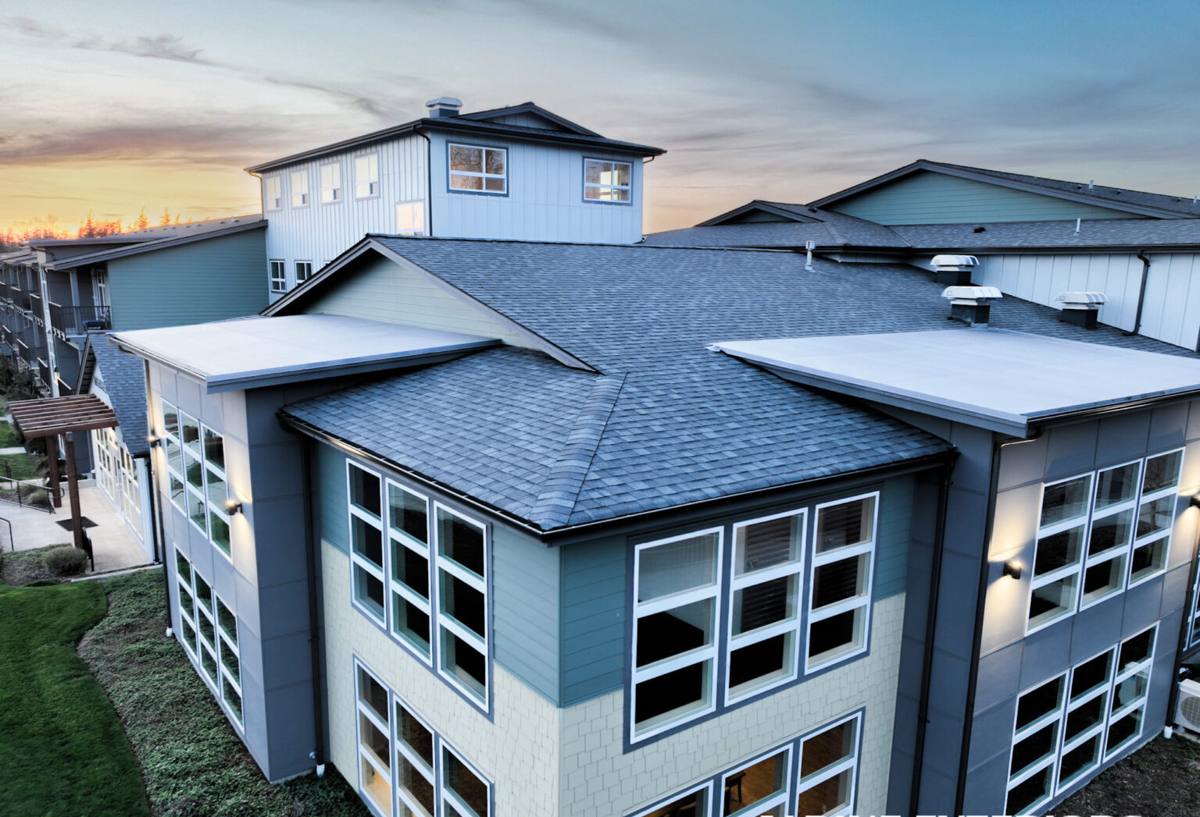
What Salt Air, Rain, and Moss Actually Do to a Roof
Salt Air and Metal Components
Asphalt shingles themselves tolerate salt exposure reasonably well, but the metal parts of a roofing system — flashing, drip edge, nails, vent housings — don't all hold up the same way. Standard galvanized fasteners and lower-grade flashing can corrode faster this close to salt water, and a corroded nail or a pitted flashing seam is exactly where a roof starts to leak, long before the shingles themselves look worn out.
Driving Rain and Wind-Driven Water
Blaine's winter storms don't just drop rain straight down — wind pushes it sideways and up under shingle edges, especially at low-slope sections, valleys, and anywhere the roof meets a wall or chimney. A roof that only relies on the shingles for waterproofing, with minimal underlayment or flashing detail, is vulnerable in exactly these spots during a hard blow off the water.
Moss and Sustained Moisture
Whatcom County's moss season is long, and Birch Point's tree cover and marine humidity make it longer still on north-facing and shaded slopes. Moss isn't just cosmetic — its root structure lifts shingle edges, holds moisture against the roof deck, and accelerates granule loss. Left unaddressed for a few seasons, moss can shave real years off a shingle roof's service life.
What a Correct Asphalt Shingle Job Includes Here
For Birch Point specifically, we treat a few components as non-negotiable rather than optional upgrades:
- Ice and water shield at eaves and valleys — self-adhering membrane at the vulnerable edges and valleys, not just felt, to stop wind-driven rain that gets under the shingle tabs.
- Synthetic underlayment across the full field — more consistent water resistance than old-style felt, and it holds up better through a longer, wetter install season.
- Corrosion-resistant fasteners and flashing — stainless or heavier-coated options in the areas most exposed to salt air, particularly along the roof edges and around penetrations.
- Balanced intake and exhaust ventilation — proper airflow keeps the underside of the roof deck drier, which matters more here because ambient humidity is already working against you.
- Algae-resistant shingle granules — most major shingle lines now offer a copper- or zinc-infused granule option specifically to slow moss and algae growth on shaded slopes.
None of this is exotic. It's standard material science applied deliberately to the conditions this specific stretch of coastline creates, instead of a generic install that assumes dry, still air.
Signs a Birch Point Roof Needs Attention
Because moss and salt-driven wear can be gradual, a lot of homeowners don't notice a problem until there's a stain on a ceiling. Worth checking for, ideally from the ground with binoculars rather than climbing up yourself:
- Moss or dark streaking concentrated on shaded or north-facing slopes
- Granules collecting in gutters or at downspout outlets
- Curling, cupping, or lifted shingle edges, especially near eaves
- Rust staining around flashing, vents, or chimney counterflashing
- Soft or spongy feel on the roof deck near valleys (a sign water has already gotten underneath)
- Daylight visible through the roof deck from inside an unfinished attic
Any one of these on its own might just mean routine maintenance. Two or three together usually mean it's worth a real inspection before the next storm season.
Our Process for a Birch Point Roofing Job
- On-site inspection — we look at the existing roof deck, ventilation, flashing condition, and moss/algae pattern before quoting anything, since the right scope depends on what's actually happening on that specific roof.
- Tear-off and deck check — old roofing comes off down to the deck, and we check for soft or rotted sheathing, which is common wherever moisture has been sitting under moss for a while.
- Deck repair as needed — any compromised sheathing gets replaced before a single shingle goes down; nothing gets covered up.
- Underlayment and flashing install — ice and water shield at eaves/valleys, synthetic underlayment across the field, new flashing at all penetrations and wall intersections.
- Shingle installation — proper nailing pattern and exposure per manufacturer spec, which matters for wind resistance in a location that sees real coastal gusts.
- Ventilation check — intake and exhaust balanced to the attic or roof cavity, adjusted if the existing setup was inadequate.
- Final walkthrough — cleanup, a review of the finished work, and a plain explanation of what maintenance (if any) the new roof will need going forward.
What Drives the Cost
Every roof is different, but the factors that move a Birch Point quote up or down are fairly consistent. We give firm numbers only after an on-site look, but this is the general shape of it:
| Factor | Why It Matters Here |
|---|---|
| Roof pitch and access | Steeper roofs and limited site access (trees, tight lots common near the water) take longer and require more safety setup |
| Deck condition | Moss-related moisture damage sometimes means sheathing replacement isn't discovered until tear-off begins |
| Underlayment package | Full ice and water coverage versus eaves-only affects material cost but also long-term leak risk |
| Shingle tier | Algae-resistant, higher wind-rated lines cost more up front but matter more in this specific climate |
| Flashing and penetrations | More chimneys, skylights, and vents mean more detail work and corrosion-resistant material |
| Ventilation upgrades | Adding or correcting intake/exhaust is sometimes needed and adds modest cost relative to the lifespan benefit |
Comparing Shingle Options for This Climate
Not every asphalt shingle product is built the same, and the differences matter more here than in a drier inland setting.
| Shingle Type | Typical Fit for Birch Point |
|---|---|
| Standard 3-tab | Lower upfront cost but shorter lifespan and no algae resistance; moss takes hold faster on shaded slopes |
| Architectural (laminated) | Better wind rating and thicker profile; our standard recommendation for most Birch Point homes |
| Algae-resistant architectural | Same as above plus copper/zinc granules to slow moss and streaking on north-facing or tree-shaded roofs |
| Impact-resistant (Class 4) | Worth discussing for homes with significant tree overhang, though it's a cost premium not everyone needs |
Living With Moss Season Long-Term
Even a correctly installed roof will collect some moss and organic growth in this climate over time — it's a maintenance reality of living this close to the water and under tree cover, not a sign of a bad job. What matters is keeping it from turning into a moisture problem:
- Keep gutters clear so water doesn't back up under shingle edges
- Trim overhanging branches where practical to reduce shade and debris buildup
- Have moss physically removed (not scraped aggressively) rather than left to grow thick
- Use zinc or copper strips near the ridge on north-facing slopes as an added deterrent
- Schedule a roof check every couple of years, not just when a leak shows up
Why Local Experience in Birch Point Actually Matters
A lot of roofing crews can install shingles competently on a calm, dry day. Fewer have spent real time on roofs specifically in Birch Point and along Blaine's shoreline, watching how a given underlayment and flashing detail actually performs after a few winters of onshore wind and rain, and how fast moss actually comes back on a shaded north slope in Whatcom County versus somewhere twenty miles inland. That kind of pattern recognition comes from doing the work here repeatedly, not from a manufacturer's general installation guide. It shows up in small decisions — where to add an extra course of ice and water shield, which flashing detail to reinforce, how much ventilation a particular attic actually needs — that a generic install often skips.
Ready for a Straight Answer on Your Roof
If you're seeing moss buildup, granule loss, or you just want an honest read on how much life is left in your current roof, we're happy to take a look. The estimate is free, there's no pressure, and you'll get a clear explanation of what we see and what it would take to fix it — use the form below to get started.