 Blaine Siding
 Grandview Windows Take a Different Kind of Beating
Grandview sits close enough to the water that homes here deal with a combination most inland Washington properties never see: salt-laden air off the bay, wind-driven rain that hits windows sideways instead of straight down, and a moss season that runs long into what other parts of the state would call summer. None of that is dramatic on its own. But over ten or fifteen years, it adds up in the seals, frames, and hardware of a window in ways that are easy to miss until a homeowner notices drafts, fogging glass, or a sill that's gone soft.
Window replacement in this part of Blaine isn't just a cosmetic upgrade. Done right, it's a chance to correct how water and air move around the opening in the first place — something the original builder-grade windows in a lot of Grandview homes were never really engineered to handle for this specific microclimate.
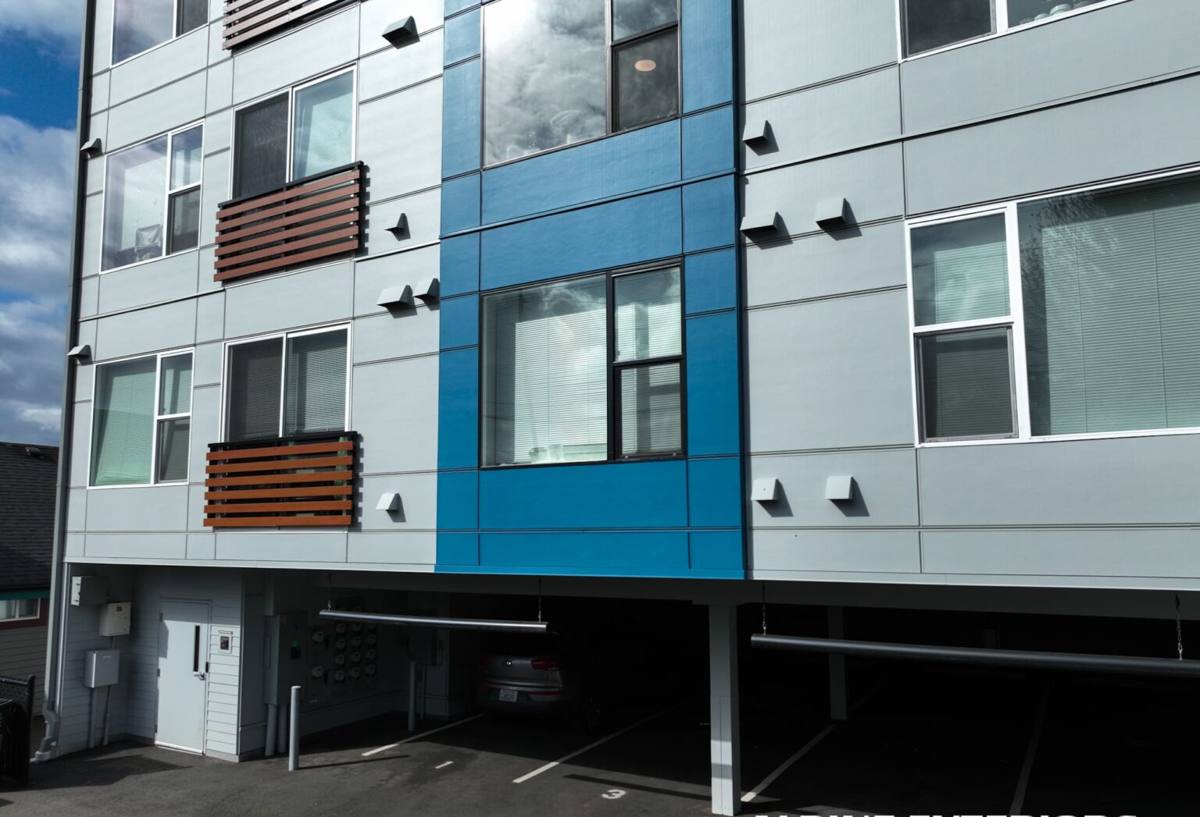
Signs a Grandview Home Needs Replacement, Not Just Repair
Repair makes sense when the frame and flashing are still sound and the only issue is a failed seal or worn hardware. Replacement makes sense once the window itself — not just a part of it — has stopped doing its job. Here's what we look for during an inspection:
- Fogging or a visible haze between panes, which means the insulated glass unit's seal has failed and moisture is trapped for good
- Wood trim or sills that feel soft, spongy, or discolored, especially on west- and south-facing walls that catch the worst of the driving rain
- Windows that are noticeably harder to open, close, or lock than they used to be
- A persistent draft you can feel with your hand near the frame on a windy day
- Visible daylight or gaps around the sash when the window is closed
- Moss or dark streaking building up on the frame or sill faster than it should, which usually points to poor drainage at the window
- Noticeably higher heating bills without any other explanation
If a window is only showing one of these signs and the surrounding wall is dry, repair or resealing is often the more honest recommendation. We'll tell you that instead of pushing a full replacement you don't need yet.
Why Coastal Homes Show These Signs Earlier
Salt air is mildly corrosive to metal hardware — hinges, locks, and balance mechanisms — and it accelerates the breakdown of some sealants faster than a purely inland climate would. Combine that with rain that gets pushed horizontally by wind off the water, and you get more water contact at the window perimeter than a standard product spec sheet assumes. It's not that the windows were defective. It's that Grandview's exposure is more demanding than average, and the install and materials need to account for that.
What a Correct Window Replacement Job Actually Involves
The window unit itself only matters if it's installed correctly. Most window failures we get called out to inspect aren't product failures — they're installation shortcuts that let water behind the siding where it can't get back out. A proper job has four parts, and skipping any one of them is where problems start.
Removal and Opening Inspection
Once the old window comes out, the rough opening gets inspected before anything new goes in. This is the only point in the whole project where we can actually see the condition of the framing, sheathing, and any existing flashing. In a lot of older Grandview homes, this is where we find out whether moisture has already been getting in quietly for years.
Flashing and Water Management
This is the step that matters most in a climate with sideways rain. Flashing tape and pan flashing need to be layered correctly — bottom first, sides next, top last — so that any water that does reach the window sheds down and out, never inward. Given how much wind-driven rain this area sees compared to more sheltered parts of Whatcom County, we treat this step as non-negotiable, not optional.
Insulation and Air Sealing
The gap between the new window frame and the rough opening gets filled with low-expansion foam or backer rod and sealant — never packed tight with fiberglass insulation alone, which does little to stop air movement. This is also where a lot of drafts either get solved permanently or get built right back in.
Exterior Finish Work
Trim, caulking, and siding tie-in get finished so the window looks like it belongs on the house and, more importantly, so water sheds away from every seam. On salt-exposed walls we pay particular attention to caulk selection, since not every exterior sealant holds up the same way to years of salt spray and UV.
Choosing the Right Frame Material for This Exposure
Frame material matters more here than it would on a home twenty miles inland. Salt air, humidity, and the area's long wet season all affect how different materials age.
| Frame Material | How It Handles This Climate | Maintenance |
|---|---|---|
| Vinyl | Doesn't corrode or rot; handles salt air and moisture well; can flex slightly in temperature swings | Low — occasional cleaning |
| Fiberglass | Very stable in wet, salty conditions; resists warping and holds paint well if color changes are wanted later | Low |
| Aluminum-clad wood | Attractive and strong, but the wood interior is vulnerable if any seal fails and moisture gets behind the cladding | Moderate — depends on seal integrity over time |
| Bare wood | Classic look but the least forgiving option in a salt-air, high-moisture environment without diligent upkeep | High |
We're not going to tell a homeowner their preferred look is wrong. But we will explain, honestly, what a given material asks of you over the next fifteen years in a Grandview exposure before you commit to it — that's a maintenance and moisture conversation, not a brand preference.
Glass Packages That Make Sense for Whatcom County
Whatcom County winters are damp and mild rather than brutally cold, and summers are short. That changes what glass upgrades are actually worth paying for here compared to a colder inland climate.
- Low-E coating: Worth it almost universally — it cuts heat loss in winter and reduces solar heat gain in the rare hot stretch, without changing how clear the glass looks
- Argon gas fill: A modest, inexpensive step up in insulating performance between panes; a sensible standard upgrade rather than a luxury
- Double vs. triple pane: Double pane with a good Low-E coating covers most Grandview homes well; triple pane adds cost and weight that's harder to justify given how mild the winters actually are here
- Tempered or laminated glass: Required by code in certain locations (near doors, low sills, large panes) regardless of climate — we'll flag where this applies during the estimate
Our Process for Grandview Projects
- Free on-site walkthrough — we look at every window being considered, not just the obvious ones, and check the condition of trim and siding around each opening
- Honest recommendation on repair vs. replacement, window by window, with reasoning you can follow
- Written estimate with material options and a clear scope, so you know exactly what's included
- Precise measurement and ordering once you approve the plan
- Installation with proper flashing, air sealing, and finish work as outlined above
- Walkthrough at completion — every window opens, closes, and locks the way it should before we consider the job done
Why a Crew That Already Works Grandview Matters
A window installer who's worked this specific stretch of Blaine knows things a crew coming in from out of the area doesn't — which wall orientations catch the worst of the wind-driven rain, how moss tends to build up on north-facing trim faster than anywhere else on the house, and what condition to expect from flashing on homes of a certain age in this neighborhood. That local pattern recognition shortens the inspection, sharpens the estimate, and means fewer surprises once the old windows come out.
It also matters for something more basic: being reachable. If a seal needs a second look six months after install, or a question comes up about how a window is handling its first real winter storm off the water, you're calling a crew that's still local and still working in your neighborhood — not chasing down a company that did one job in the area and moved on.
Cost Factors, Honestly
Every project is different, and we won't quote a number without seeing the windows in person. But these are the factors that actually move the price up or down on a typical Grandview job:
| Factor | Effect on Cost |
|---|---|
| Number of windows replaced at once | Per-window cost usually drops when done in a single project |
| Frame material chosen | Vinyl is typically the most budget-friendly; fiberglass and clad-wood cost more upfront |
| Condition of the rough opening | Hidden rot or old damage found during removal adds repair time before the new window can go in |
| Glass package | Low-E and argon fill add modest cost; triple pane and specialty glass add more |
| Window size and access | Larger units and upper-story or hard-to-access windows take more labor |
| Trim and siding tie-in | Matching existing trim profiles or repairing surrounding siding adds scope |
Living With New Windows in a Salt-Air, Moss-Prone Climate
New windows still need some seasonal attention here. A quick rinse of the frames and glass a couple of times a year cuts down on salt residue buildup, especially on the sides of the house facing the water. Keeping gutters and nearby roof valleys clear reduces the runoff that feeds moss growth near window trim. And it's worth a quick visual check of exterior caulking each fall, before the wettest stretch of the year sets in — catching a small gap early is a five-minute fix instead of a callback next spring.
If you're weighing repair versus replacement on windows in Grandview, or you just want a straight answer on what shape your current windows are in, we're happy to take a look. The estimate is free, there's no pressure attached to it, and you'll get a clear explanation of what we find — use the form below to get started.