 Blaine Siding
 Windows Built for Peace Arch's Coastal Exposure
Peace Arch sits close enough to the water that salt air is a daily fact of life, not an occasional nuisance. Combine that with the driving rain that rolls in off Semiahmoo Bay and the Strait of Georgia, plus the long, damp moss season that Whatcom County homeowners know all too well, and you have one of the more demanding window environments in Western Washington. Window installation here isn't just about picking a style and setting it in the opening. It's about choosing materials and installation details that hold up to salt-laden air, resist wind-driven water intrusion, and shed moisture instead of trapping it against wood trim and siding.
We've installed and replaced windows on homes throughout the Blaine area, and Peace Arch's exposure to marine weather shapes almost every decision we make on a window job here — from frame material to flashing sequence to the caulk we won't use.
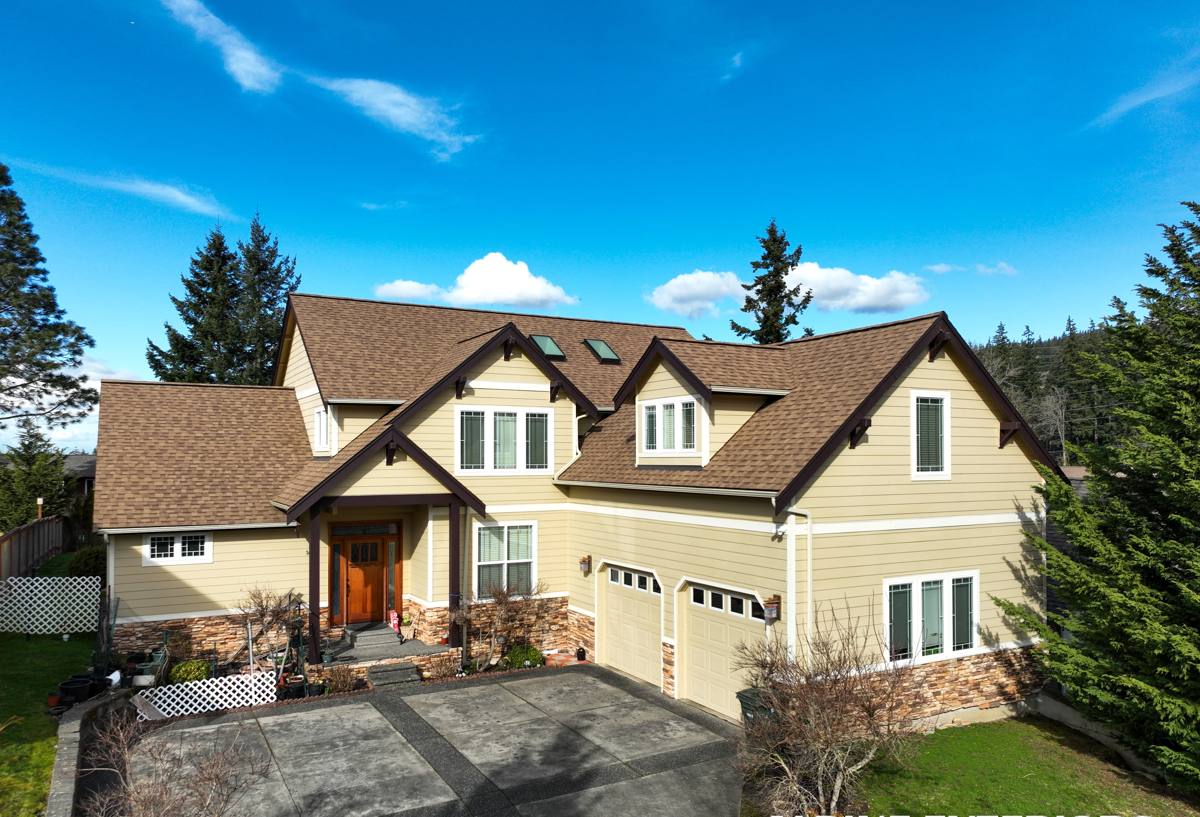
What Salt Air and Driving Rain Do to Windows Over Time
Homeowners often call us because a window has started sticking, fogging between panes, or letting in a draft they can feel from across the room. In Peace Arch, the root cause is almost always some combination of the following:
- Salt-air corrosion on aluminum hardware, screen frames, and lower-grade window fasteners, especially on the sides of a home facing the water or prevailing wind.
- Wind-driven rain intrusion at the sill and side jambs, where standard flashing or a bead of caulk alone isn't enough to stop water pushed sideways by a gust.
- Failed seals on double-pane glass, showing up as fogging or moisture between the panes — accelerated by constant humidity swings between damp winters and drier summer stretches.
- Wood rot at sills and corners where moss, algae, and trapped moisture have been sitting against untreated or unprimed wood for one too many wet seasons.
- Swollen or warped wood-frame windows that no longer close or lock properly because the wood has absorbed water repeatedly over several winters.
None of this is unique to any one house — it's the predictable result of putting ordinary windows in a marine climate without accounting for it. Good window installation is largely about controlling for these failure points before they start.
Choosing the Right Window Materials for This Area
Frame Material
Vinyl and fiberglass frames are our default recommendation for most Peace Arch homes because they don't corrode and don't need repainting. Fiberglass holds up slightly better under UV and temperature swings and is worth the upgrade on south- and west-facing exposures. Wood-clad windows can look great and suit certain home styles, but they require more diligent maintenance in this climate — the exterior cladding needs to be sound and well-sealed, or moisture will find the wood underneath. We'll always tell you honestly if a wood-frame option is going to be a maintenance burden on a particular elevation of your home, rather than just selling what looks best in a brochure.
Hardware and Fasteners
On or near the water, plain steel or lower-grade aluminum hardware corrodes faster than most homeowners expect. We use corrosion-resistant hardware and fasteners rated for coastal exposure, particularly on window sides that face prevailing wind and salt spray.
Glass Package
Double-pane, low-E glass with argon fill is the practical standard for this area — it manages both the region's mild-but-persistent heat gain in summer and heat loss during the wetter, colder months. Triple-pane is worth discussing for homes with heavy wind exposure or road noise, but it's a cost-versus-benefit conversation, not an automatic upgrade.
Frame Material Comparison for Coastal Whatcom County Homes
| Material | Salt-Air Durability | Maintenance | Typical Lifespan |
|---|---|---|---|
| Vinyl | Very good — won't corrode or rust | Low — occasional cleaning | 20-30 years |
| Fiberglass | Excellent — stable in temperature swings | Low | 30+ years |
| Wood-clad | Good if cladding is intact; vulnerable if breached | Higher — cladding and seals need inspection | 20-30 years with upkeep |
| Aluminum | Poor to fair — prone to corrosion near salt water | Moderate to high | 15-25 years in this climate |
What a Correct Window Installation Actually Involves
The window unit itself is only part of the job. In a driving-rain climate like Blaine's, the installation details around the window matter as much as the window brand. A correct installation includes:
- Proper removal of the old unit without damaging the surrounding framing, sheathing, or siding.
- Inspection of the rough opening for hidden rot, moisture damage, or past water intrusion — common in older Peace Arch homes that have weathered decades of coastal storms.
- Correct flashing sequence — sill pan flashing first, then side flashing, then head flashing, layered so water is always directed outward and downward, never trapped behind the window.
- Weather-resistant barrier integration, tying the window flashing properly into the house wrap or building paper so there's no gap for wind-driven rain to exploit.
- Shimming and leveling the unit so it operates smoothly and seals evenly — a slightly out-of-square window is one of the most common causes of premature seal failure.
- Insulating the gap between the frame and rough opening without overpacking it, which can bow the frame and cause operational problems.
- Exterior sealing with sealant products chosen for adhesion and flexibility in a marine climate — not just whatever caulk is on the truck.
- Interior trim and finish work restored to match the rest of the room.
Skip or rush any one of these steps and you get the same symptoms Peace Arch homeowners already know: drafts, staining, soft trim, or a window that just doesn't sit right a year or two later.
Our Process for Peace Arch Window Jobs
1. On-Site Assessment
We look at each window opening individually — sun exposure, wind exposure, existing condition of the trim and sheathing, and any signs of past moisture problems. Two windows on the same house can need different solutions depending on which direction they face.
2. Straightforward Recommendation
We'll tell you which frame material and glass package make sense for your home's exposure and budget, and why — including where a cheaper option is genuinely fine and where it isn't worth the risk given this area's weather.
3. Careful Installation
We follow the flashing and sealing sequence above on every window, every time, regardless of whether it's a single replacement or a full-home project. It's the same standard whether the job is visible from the street or not.
4. Cleanup and Walkthrough
We walk you through the finished work, confirm every window opens, closes, and locks correctly, and make sure the site is left clean.
Timing and Weather Considerations
Window installation can happen most of the year in Blaine, but scheduling around the wettest stretches of the season matters more here than in drier parts of the state. An open rough opening left exposed during a heavy rain event is asking for trouble. We plan installation days around realistic weather windows and won't leave an opening exposed longer than necessary — that's a basic professional standard, not an upsell.
Signs Your Peace Arch Home Needs Window Replacement Soon
- Visible condensation or fogging trapped between glass panes
- Drafts you can feel near the frame even when the window is fully closed
- Soft, discolored, or mossy wood trim at the sill or corners
- Windows that are difficult to open, close, or lock
- Rising heating bills without another clear explanation
- Visible corrosion or pitting on window hardware
- Paint or finish peeling specifically around the window frame, not the rest of the wall
Cost Factors Worth Understanding
Every home and every opening is different, so we won't quote a number without seeing the job, but a few factors consistently move the price:
| Factor | Why It Affects Cost |
|---|---|
| Frame material chosen | Fiberglass and higher-end vinyl cost more upfront than basic vinyl or aluminum |
| Extent of rough opening repair | Hidden rot or water damage found during removal adds labor and material |
| Number and size of windows | Larger openings and full-home projects have different per-unit economics than single replacements |
| Glass package | Triple-pane and specialty coatings cost more than standard double-pane low-E |
| Access and elevation | Second-story or hard-to-reach windows take more time and equipment |
Why Local Experience Matters for This Job
A crew that mostly installs windows inland doesn't necessarily think about sill pan flashing, corrosion-resistant hardware, or wind-driven rain the same way a crew working Peace Arch's coastal exposure every week does. We've seen firsthand what salt air and moss season do to windows installed without those details in mind, and we build our process around avoiding those exact problems — not around a generic checklist written for a different climate. That's the difference between a window that looks fine at handoff and one that's still performing correctly five winters from now.
If you're dealing with drafty, foggy, or stuck windows in Peace Arch, or you're planning ahead for a replacement before the next wet season sets in, we'd be glad to take a look. Reach out for a free, no-pressure estimate — we'll assess your specific windows and give you a straight answer on what they actually need.