 Blaine Siding
 Siding Installation on a Peninsula: What Point Roberts Homes Are Up Against
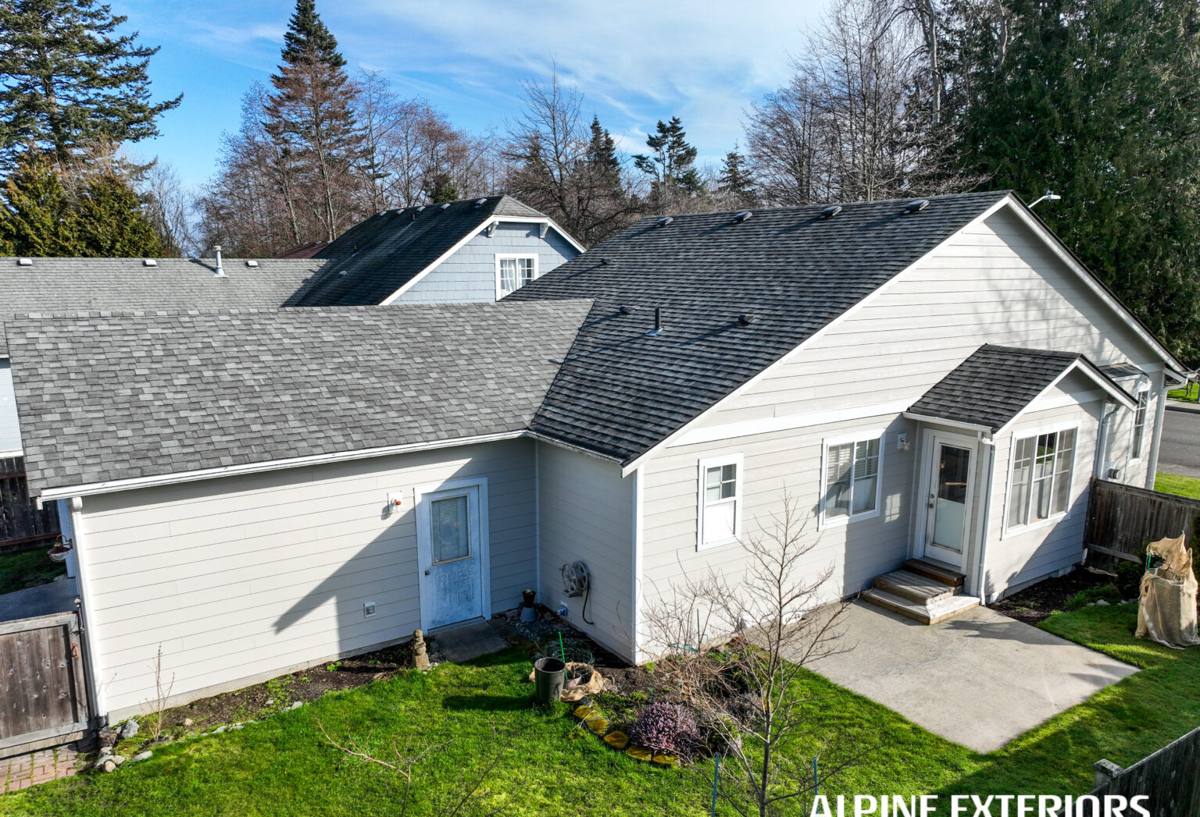
Point Roberts is one of the more unusual places to own a home in Whatcom County. It sits at the tip of a peninsula that's cut off from the rest of Washington by water and a Canadian border crossing, surrounded by water on nearly every side. That geography isn't just a curiosity — it means homes here take on a version of the marine climate that's harder on exterior materials than a lot of "waterfront" properties elsewhere in the county actually deal with. Salt air moves through constantly, driving rain comes in with real force off open water, and the moss season runs long on any wall that doesn't get much direct sun. A siding installation done right here has to be built for that exposure from the first course to the last piece of trim.
This page is specifically about installing new siding on a Point Roberts home — what the climate demands, what a correct installation actually involves, and why the details a crew gets right, or wrong, on day one are the difference between siding that looks good for thirty years and siding that's causing problems in five.
What Point Roberts' Climate Demands From a Siding Installation
Salt Air and Marine Exposure
Being nearly surrounded by water means salt-laden air reaches Point Roberts homes from more directions than a typical inland Whatcom County property sees. Salt accelerates corrosion in exposed fasteners, flashing, and trim, and it wears down lower-grade paints and finishes faster than a drier climate would. On a new installation, every fastener, flashing detail, and finish choice needs to account for that corrosion risk from the start — not as a repair fix five years down the road.
Driving Rain and Open Wind
With open water on multiple sides and little to break the wind, rain here doesn't just fall — it drives sideways into wall assemblies, seams, and trim joints with more force than a sheltered inland lot ever experiences. That kind of exposure punishes any installation shortcut around water management. Panel gaps, unsealed joints, and skipped flashing that might go unnoticed on a calmer site will find water on a Point Roberts home, often within the first wet season.
A Long Moss and Mildew Season
Cool temperatures, near-constant humidity, and shaded north-facing walls add up to a moss and mildew season that stretches through most of the year across this part of Whatcom County. Siding installed with tight-to-grade clearance, poor drainage behind the panels, or a porous, moisture-holding material becomes a growth surface fast. Getting clearance, drainage, and material selection right at the time of installation matters more here than almost anywhere else in the county.
What a Correct Siding Installation Actually Involves
A lot of what determines whether siding performs for decades or fails early happens in details that aren't visible once the job is finished. On a Point Roberts home, we treat these as standard practice, not optional upgrades:
- Correct fastener type, length, and spacing for the specific product and wall assembly
- Proper clearance between the bottom edge of the siding and grade, roof lines, and decks
- Drainage or rain-screen detailing behind the panels so any moisture that does get in can escape
- Properly lapped and sealed flashing at every window, door, and roof-to-wall transition
- Factory-mitered or correctly caulked joints at seams, corners, and butt joints
- Fastener and hardware materials rated for corrosion resistance in salt air
Skipping any one of these doesn't usually show up as a problem on installation day. It shows up a year or two later as a stained soffit, a soft spot near a window, or moss establishing itself behind a panel that was never supposed to hold moisture against the wall in the first place. On a property this exposed, there's very little margin for a detail done halfway.
Why We Install Only James Hardie Fiber Cement Here
We install James Hardie fiber cement siding exclusively — not LP SmartSide, not vinyl, not Cemplank, Allura, primed spruce, or cedar. That standard applies everywhere we work, and it carries extra weight on a property like this, where the climate gives a marginal installation or a moisture-sensitive material less room for error than it would get a few miles inland.
- Non-combustible core: Fiber cement doesn't feed a fire the way wood-based siding products can.
- Factory-applied ColorPlus finish: Color is baked on under controlled conditions rather than brushed on in the field, and it holds up longer against fading, chalking, and salt-air breakdown than site-applied paint.
- Climate-engineered HZ5 formulation: Built specifically for regions with heavy moisture exposure and freeze-thaw cycling — a good match for an exposed peninsula like this one.
- Dimensional stability: Fiber cement doesn't swell, cup, or warp the way engineered wood can after repeated wetting through a long wet season.
- Strong transferable warranty: Backed by one of the more substantial warranty structures in the industry, provided installation follows Hardie's spec — which is exactly what we install to.
Each of the products we don't install has a legitimate place in the market, and plenty of homeowners elsewhere are satisfied with them. On an exposed peninsula like Point Roberts, though, we'd rather stand fully behind one system we trust than offer a lower-cost option that quietly shifts long-term maintenance risk back onto the homeowner.
Our Installation Process for Point Roberts Homes
The process doesn't change because a home is harder to reach — it just gets planned around that reality more carefully.
- On-site assessment: We walk the existing exterior, check the condition of the wall assembly underneath, and identify any moisture damage or drainage issues that need to be addressed before new siding goes up.
- Written scope and timeline: A clear scope, material list, and schedule before any work or materials are committed, so there are no surprises mid-project.
- Material and crew logistics: Because Point Roberts is only reachable by land through Canada, we plan material deliveries and crew scheduling as one coordinated trip rather than the multiple same-day runs a mainland job might get away with.
- Prep and installation: Removal of failing material where applicable, correction of any underlying moisture or drainage issues, then installation to Hardie's fastening, clearance, and flashing specifications.
- Final walkthrough: A finished-product review with the homeowner before we consider the job complete.
Why a Crew That Already Works in Point Roberts Matters
The Border-Crossing Reality
Point Roberts is a pene-exclave — the only way to reach it by land is to drive through Canada and cross back into the U.S. That's a real logistical factor for a siding installation, not a minor inconvenience. Every truckload of material, every crew trip, and every supply run to correct an unexpected issue on site has to account for two border crossings instead of a quick drive down the road. A contractor who hasn't planned around that reality before can turn a straightforward installation into a project with unpredictable delays.
A crew that already works this peninsula plans deliveries and labor around that reality from the estimate stage, not after the first delay shows up. That's a meaningful difference in a market this small, where a lot of contractors' regular routes don't extend out here at all — and it's the difference between a crew that shows up on schedule and one that's improvising logistics for the first time on your home.
Comparing Siding Materials for Point Roberts Installations
| Material | Moisture Behavior | Performance in Salt Air | Typical Longevity Here |
|---|---|---|---|
| James Hardie fiber cement | Dimensionally stable, resists swelling | Factory finish resists fading, chalking, and corrosion-related wear | 30+ years with correct install |
| Vinyl siding | Can warp or distort under heat and wind load | Seams and fasteners are ongoing exposure points | Variable; shorter in high-wind, waterfront settings |
| LP SmartSide / engineered wood | Wood-based core sensitive at cut edges and joints | Requires consistent edge sealing and caulk upkeep | Depends heavily on installation and ongoing maintenance |
| Cedar / primed wood | Absorbs and releases moisture readily | Needs regular refinishing in wet, salty air | Shorter without consistent, disciplined maintenance |
Cost Factors for a Point Roberts Siding Installation
Every home is different, but a few factors consistently move the price of a siding installation on a property like this. None of these are things a contractor can price accurately over the phone:
| Factor | Why It Matters |
|---|---|
| Home size and wall complexity | More square footage, corners, and trim detail mean more material and labor |
| Condition of the existing wall assembly | Hidden moisture damage found during tear-off adds repair work before new siding goes up |
| Siding profile and trim selection | Lap width, panel style, and trim detailing affect material cost and install time |
| Access and logistics | Point Roberts' border-crossing access affects delivery scheduling and trip planning |
| Existing siding removal | Tear-off and disposal of old material adds labor beyond a straightforward new install |
We give a firm, written estimate after the on-site assessment — not a ballpark number over the phone — because these factors vary too much from home to home to price accurately any other way.
A Checklist Before You Hire for Siding Installation Here
- Ask what siding material they install and why, and whether they'll back it with a written warranty
- Confirm current Washington contractor licensing and active liability insurance
- Ask directly whether they regularly work in Point Roberts, or whether this would be their first trip out
- Ask how they plan material delivery and crew scheduling around the border crossing
- Ask how they detail flashing, fastening, and drainage specifically for salt air and driving rain
- Get a clear, written scope of work and estimate before signing anything
If you're planning a siding installation on a Point Roberts home, we're happy to walk the exterior with you and give an honest, written estimate for what the job actually needs. Reach out below for a free, no-pressure estimate.