 Blaine Siding
 New-Construction Windows in Dakota Creek: One Chance to Get the Opening Right
Dakota Creek is one of the newer-growth pockets in and around Blaine, in the northwest corner of Whatcom County — close enough to Semiahmoo Bay and Drayton Harbor that homes here deal with the same salt-laden air, wind-driven rain, and long moss season that shape building decisions across this stretch of the county. New construction in this area means building an exterior that has to perform in that climate from day one, not just look finished for the final walkthrough. Windows are one of the highest-stakes parts of that build, because a rough opening that's flashed and sealed correctly during framing performs for decades, while one that isn't can leak for years before anyone notices — usually behind the drywall, where it's expensive to trace and fix.
We handle siding, roofing, windows, and decks for homes throughout this part of Whatcom County, and new-construction window installation is where getting the sequence right matters more than almost anywhere else in a build. Once the siding goes on and the interior is finished, correcting a bad window installation means opening up finished walls. Doing it right the first time, while the wall is still open and every layer is visible, is the whole job.
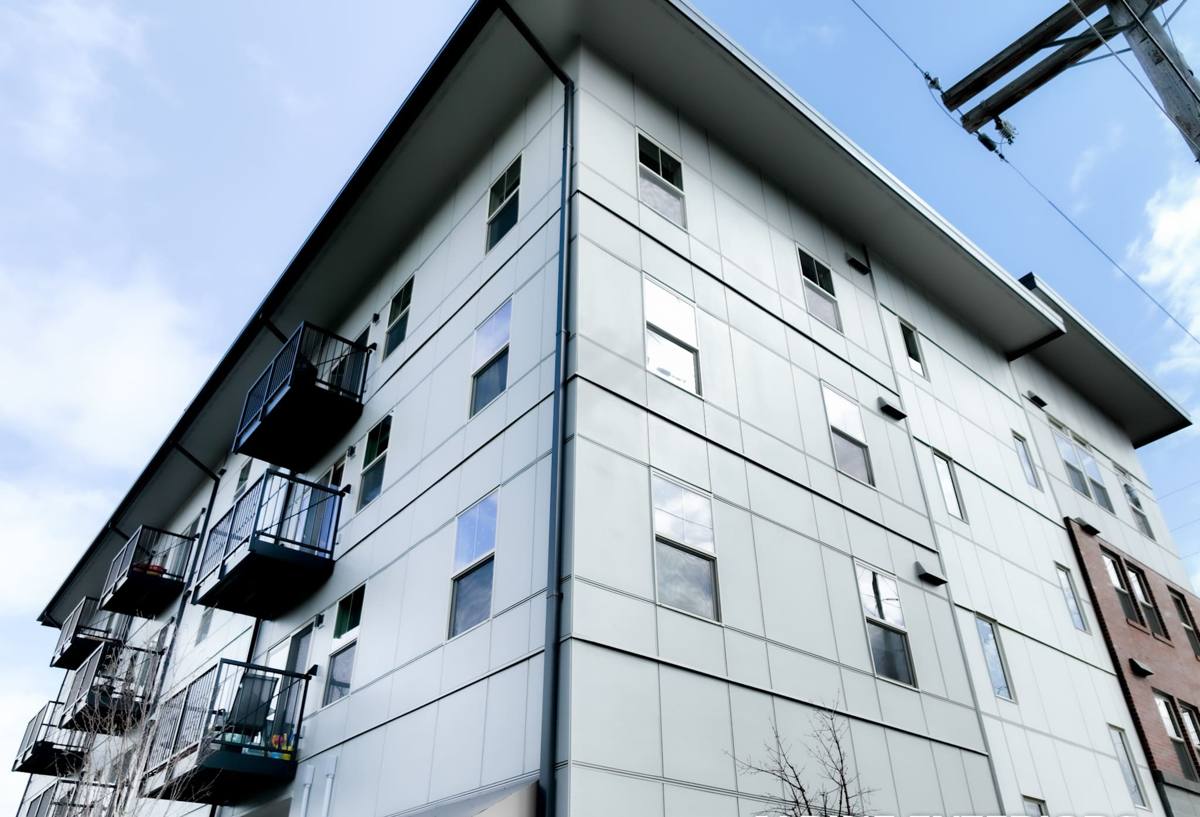
New-Construction Windows vs. Replacement Windows
These are two different jobs, and the distinction matters for anyone planning a Dakota Creek build. A new-construction window has a nailing flange around its perimeter that gets integrated directly with the wall's weather-resistive barrier and structural sheathing before the siding goes on. A replacement window, by contrast, gets set into an existing frame with no flange to tie into the wall assembly — it depends on the original opening and flashing already being sound. On a new build, we're not working around old flashing or a settled frame; we're building the water management system for that opening from scratch, which means there's no excuse for it to be anything less than correct.
That also means new-construction window work has to happen on the builder's schedule, in the right order relative to the weather-resistive barrier, framing inspections, and siding crew — not on its own timeline. Coordinating that sequence is as much a part of the job as the physical installation.
What Dakota Creek's Climate Asks of a New Window Opening
Salt Air and Corrosion
Proximity to Semiahmoo Bay and Drayton Harbor means salt-laden air reaches Dakota Creek homes even on lots that aren't directly waterfront. Over years, that air accelerates corrosion on fasteners, hinges, and lower-grade window hardware. On a new build, this is the moment to spec corrosion-resistant fasteners and hardware once, rather than dealing with pitted hinges and stiff locks a decade in.
Wind-Driven Rain
Storms coming off the water push rain sideways into wall assemblies rather than straight down, and a rough opening is where that sideways-driven water finds the path of least resistance if the flashing sequence isn't right. This is the single biggest reason new-construction window flashing gets more attention from us than the window unit itself — the flashing is what stops wind-driven rain, not the glass.
A Long Moss and Moisture Season
Mild temperatures and near-constant dampness through fall, winter, and spring give moss and mildew a long growth window across this part of the county, and any surface that stays wet longer than it should becomes a growth site. Sills, trim, and shaded elevations show it first. Good drainage detailing at the window opening — so water sheds away instead of sitting — matters as much for keeping moss and mildew from taking hold as it does for keeping water out of the wall.
Condensation From Temperature Swings
Whatcom County's damp winters create a real gap between warm interior air and cold, wet exterior conditions, and that gap drives condensation on window glass and frames. A well-sealed, correctly glazed new-construction window handles that pressure far better than an older single-pane unit ever did — which is one of the real upgrades a new build offers over patching an old house.
The Installation Sequence: Where New-Construction Window Performance Actually Comes From
The window unit itself is only part of what determines whether an opening stays dry. The sequence it goes in with matters just as much, and skipping or reordering a step is the most common reason a technically good window still leaks. On every new-construction window we install, the sequence looks like this:
- Sill pan flashing: A sloped, sealed pan under the rough opening gives any water that gets past the window a way out, instead of a place to sit against the framing.
- Weather-resistive barrier integration: The house wrap or barrier below the opening gets lapped in first, so water is directed out over the barrier rather than behind it.
- Jamb flashing: The sides of the opening get flashed and lapped over the sill pan, tying the vertical seams into the drainage plane.
- Window installation, shimmed plumb, level, and square: A window that isn't set square stresses its own seals and hardware from day one, regardless of quality.
- Head flashing above the window: Installed last, lapping over the barrier above so water draining down the wall passes over the top of the window, not into it.
- Low-expansion foam or backer rod and sealant at the interior gap: Air sealing the perimeter without over-filling it, which can bow the frame.
Every one of those steps has to happen in order, because each layer laps over the one below it. Flip that order — head flashing installed before the barrier above it is lapped in, for instance — and water gets directed straight into the wall instead of around it. This is standard installation practice on every job, not an upgrade.
Choosing Windows for a Dakota Creek Build
Frame material, glazing, and hardware grade matter more than brand name for a new build in this climate. What we look at with a homeowner or builder:
| Factor | What It Affects | What Fits This Climate |
|---|---|---|
| Frame material | Rot resistance, maintenance, cost | Vinyl or fiberglass — both resist rot better than uncladded wood |
| Glazing package | Energy performance, condensation resistance | Double or triple-pane with low-E coating |
| Hardware grade | Corrosion resistance, long-term function | Marine-grade or corrosion-resistant hardware given salt air exposure |
| U-factor / energy rating | Code compliance, heating costs | Meets or exceeds current Washington energy code minimums |
| Quantity and sizing | Overall project cost, lead time | Locked early so orders don't hold up the framing schedule |
We don't push one brand as the only right answer for windows the way we do for a couple of other materials in this business. What we insist on, regardless of brand, is a frame and glazing package built for a wet marine climate and hardware that won't start corroding on a house this close to the water within the first several winters.
Fitting New-Construction Windows Into the Build Schedule
Windows for a new build have to be ordered well before the framing crew reaches the point of needing them, because custom-sized units built for specific rough openings commonly run several weeks out from order to delivery — longer during busier seasons. That means rough opening sizes need to be locked early and communicated accurately, since a change after ordering can mean reordering and a schedule delay the builder didn't plan for. We work directly with the builder's framing schedule so windows show up when the openings are ready for them, not before the barrier is up and not so late that the crew is standing around waiting.
A Checklist for Dakota Creek New-Construction Window Planning
- Confirm rough opening sizes are finalized before windows are ordered — changes after ordering cost time and money
- Ask how sill pan, jamb, and head flashing will be sequenced with the weather-resistive barrier, not just what window brand is being installed
- Confirm hardware is rated for corrosion resistance given the salt air this close to the water
- Get written confirmation of glazing package and U-factor against current Washington energy code requirements
- Ask about lead times as soon as sizing is set, so the order doesn't become the item holding up the schedule
- Confirm current Washington contractor licensing and active liability insurance for whoever is doing the installation
Why a Crew That Already Works Dakota Creek Matters
A contractor who installs windows regularly in this part of Whatcom County already knows how much wind-driven rain a given lot's exposure will see, how far inland salt air realistically travels, and how long moss and moisture actually linger on a shaded elevation here versus a drier inland site. Those are the judgment calls behind how much lap a flashing detail gets and which hardware grade actually makes sense for a specific property — decisions that are harder to get right for a crew that doesn't spend regular time building in this exact stretch of coastline. We also work windows alongside siding, roofing, and decks, so the same crew that flashes the window opening understands exactly how it needs to tie into the siding going up around it next.
Our Process
For a Dakota Creek new build, we start with the plans — reviewing rough opening sizes, window schedule, and how window work fits into the broader framing and siding timeline. From there we help lock in product selection, place orders early enough to avoid schedule delays, and coordinate installation directly with the framing and siding crews so flashing gets sequenced correctly the first time. We treat sill pan flashing, proper lapping, and air sealing as standard on every window, not an optional upgrade a homeowner has to request.
If you're planning a new build in Dakota Creek or working with a builder there and want a second set of eyes on the window plan, we're happy to take a look. Reach out below for a free, no-pressure estimate.