 Blaine Siding
 Sumas Sits Between Two Weather Problems — And Siding Has to Answer Both
Sumas is a Whatcom County community close enough to the coast to catch driving rain off the Strait and close enough to the foothills to sit in shade and damp air for long stretches of the year. That combination is hard on a house. Coastal-influenced storms push wind-driven rain sideways into wall assemblies, and the tree cover and cooler pockets around Sumas mean siding stays wet longer after every storm than it would in a drier, more open part of the county. Siding here needs to shed water fast and dry out fast, or it starts hosting moss, algae, and eventually rot before a homeowner notices anything is wrong.
We're a Blaine-based crew, and Sumas is part of our regular service area — not a one-off trip. That matters more than it sounds like it should, because the right siding choice and the right installation details for a home a few miles from Boundary Bay are not automatically right for a home tucked closer to the hills. We adjust for both.
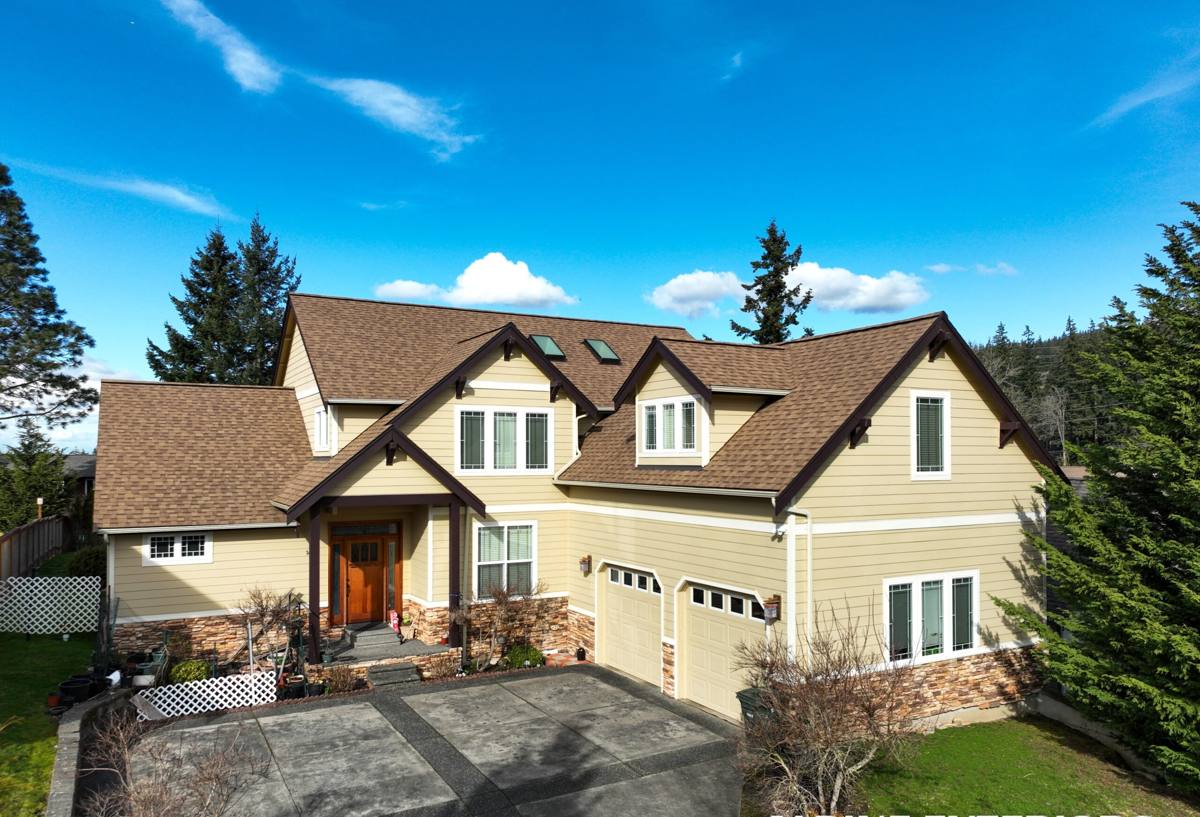
What Whatcom County's Climate Actually Does to Siding
Driving Rain
Wind-driven rain doesn't just wet a wall surface — it gets pushed up under laps, around trim, and into any gap that wasn't flashed correctly. Siding that isn't installed with proper overlaps, clearances, and flashing details will let water behind it eventually, no matter how good the material is.
Long Moss and Algae Season
Whatcom County's damp, shaded stretches — which describe a lot of the Sumas area — give moss and algae a long growing season on north-facing and shaded walls. Some siding materials resist this better than others, and installation choices like ground clearance and plant spacing make a real difference in how fast growth shows up.
Salt Air (Regional, Not Just Coastal)
Blaine and the immediate coastline deal with salt air directly, and that same air moves inland with weather systems, contributing to how fast fasteners, caulking, and paint finishes break down across the wider region. It's a slower factor than rain or moss, but it adds up over the life of a siding job.
Why We Only Install James Hardie Fiber Cement
We don't install vinyl, LP SmartSide, Cemplank, Allura, primed spruce, or cedar. That's a deliberate standard, not a sales pitch. Each of those has real strengths, but each also has a trade-off that shows up in exactly the conditions Sumas deals with — wood-based products absorb moisture and are vulnerable in prolonged damp shade, vinyl expands and contracts with temperature swings and can crack in impacts, and other fiber cement brands don't carry the same factory-finish warranty or engineered climate lines that James Hardie does.
James Hardie fiber cement is non-combustible, dimensionally stable in wet-dry cycling, and available in HZ product lines engineered for specific climate zones — including the wetter Pacific Northwest zone that Whatcom County falls into. The ColorPlus factory finish is baked on under controlled conditions, which holds color and resists the fading and chalking that field-applied paint can suffer. We standardized on one product so we can install it correctly every time, rather than splitting our crew's expertise across several systems.
What a Correct Fiber Cement Siding Job Actually Involves
Fiber cement siding fails less often because of the material and more often because of how it was put on the wall. A correct install in a climate like this includes:
- A drainage plane (weather-resistive barrier) installed and lapped correctly before any siding goes up
- A rain screen gap where conditions call for it, so water that gets behind the siding has somewhere to drain and air to dry it out
- Flashing at every window, door, and horizontal trim transition — not caulk used as a substitute for flashing
- Minimum ground clearance so the bottom course isn't sitting in splash-back moisture or snow
- Fastener placement and spacing per the manufacturer's installation guide, not shortcut nailing patterns
- Factory-cut and factory-primed edges wherever possible, with any field cuts sealed per spec
- Correct caulking at butt joints and penetrations, using a product rated for the finish system
Skip any one of these and you can end up with a house sided in a premium material that still traps moisture, grows moss early, or fails at the seams years before it should.
Rain Screen Detail: Why It Matters More in a Damp-Shade Climate
A rain screen gap — a small air space between the back of the siding and the weather barrier — lets any water that does get past the siding drain out and lets the wall assembly dry with airflow instead of staying damp against the sheathing. In a climate with a long moss season and repeated wetting, that airflow is often the difference between a wall that dries between storms and one that doesn't.
Choosing the Right Hardie Line for a Sumas Home
James Hardie makes several product lines, and the right one depends on the home's exposure, style, and how much of the wall sits in shade versus open weather.
| Product Line | Best Suited For | Notes for This Area |
|---|---|---|
| HardiePlank Lap Siding (HZ5) | Most single-family homes, traditional lap look | Engineered for wetter climate zones; the most common choice we install locally |
| HardiePanel Vertical Siding | Modern or mixed-material facades, accent walls | Works well combined with lap siding on gables or entry features |
| HardieTrim Boards | Corners, window and door casing, fascia | Matched finish system keeps trim and field siding aging consistently |
| HardieShingle Siding | Craftsman or shingle-style architecture | More detail-intensive install; good moss resistance when spaced and flashed correctly |
Our Process, Sumas to Finish
1. On-Site Assessment
We walk the home, check the current siding and sheathing condition, note shaded and high-exposure walls separately, and identify any existing moisture or rot issues before quoting anything.
2. Product and Detail Plan
We recommend a Hardie line and trim package based on the home's exposure and style, and flag any areas — north walls, low-clearance sections, valleys — that need extra flashing or clearance attention.
3. Tear-Off and Wall Prep
Old siding comes off, sheathing is inspected and repaired if needed, and the drainage plane goes on correctly before anything else happens.
4. Installation to Spec
Flashing, rain screen where called for, fastening, and clearances are installed to the manufacturer's guide — not shortcut for speed.
5. Final Walkthrough
We walk the finished job with the homeowner, check caulking and trim lines, and go over basic care for the finish.
What Drives Cost on a Sumas Siding Project
Every home is different, so we don't quote in the abstract — but these are the factors that actually move the number:
| Factor | Why It Matters |
|---|---|
| Wall area and home shape | More corners, gables, and dormers mean more cutting, trim, and labor time |
| Current siding removal | Tear-off and disposal of old material adds time versus a bare or already-stripped wall |
| Sheathing or moisture repair | Hidden rot found during tear-off has to be fixed before new siding goes on |
| Product line and trim package | Panel and trim combinations cost more than a straightforward lap-only job |
| Access and site conditions | Steep lots, tight setbacks, or limited equipment access can add labor time |
Living with Fiber Cement Siding in a Moss-Prone Area
James Hardie siding needs far less upkeep than wood, but it isn't zero-maintenance, especially on shaded walls. A simple seasonal routine keeps it looking right and catches problems early:
- Rinse shaded or north-facing walls once or twice a year to knock back early moss and algae growth
- Keep plantings and mulch beds pulled back from the bottom course so airflow and drainage aren't blocked
- Check caulking at trim joints and penetrations every year or two and re-caulk if it's cracked or pulling away
- Clear gutters and downspouts before the wet season so overflow isn't running down the siding face
- Walk the exterior after major storms and note any impact damage or lifted trim early, while it's a small fix
Why a Crew That Already Works Sumas Is Worth Choosing
Siding crews that mostly work drier, more open parts of the county don't always think about rain screen gaps, ground clearance, or shaded-wall moss the same way — because they don't need to as often. We're based in Blaine and treat Sumas as regular territory, so the flashing details, product line choices, and clearance decisions we make here account for what actually happens to a wall in this specific stretch of Whatcom County, not a generic install.
If you're planning a siding project in Sumas, we're glad to walk your home, look at the exposure and condition of the existing siding, and put together a straightforward, no-pressure estimate using the form below.