 Blaine Siding
 Why Sandy Point Decks Wear Out Faster Than Inland Decks
Sandy Point sits right on the water, and that location is exactly why decks here age differently than a deck ten miles inland in Blaine or Whatcom County. Salt-laden air corrodes fasteners, hinges, and metal railing components years before you'd expect it in a drier, inland setting. Add Whatcom County's driving rain off the Strait of Georgia, and you get moisture working into every joint, ledger board, and post base on a near-constant basis much of the year. Then there's moss. Our long, damp moss season coats north-facing and shaded deck surfaces with a slick, moisture-holding layer that keeps wood wet long after the rain stops, which accelerates rot in ways a sunnier climate never would.
None of this means a deck in Sandy Point is doomed to fail early. It means the deck has to be built and finished for these specific conditions, not for a generic "Pacific Northwest" standard. A deck that would hold up fine on a sheltered inland lot can fail structurally within a decade at Sandy Point if it was framed, fastened, and finished without accounting for salt exposure and sustained dampness.
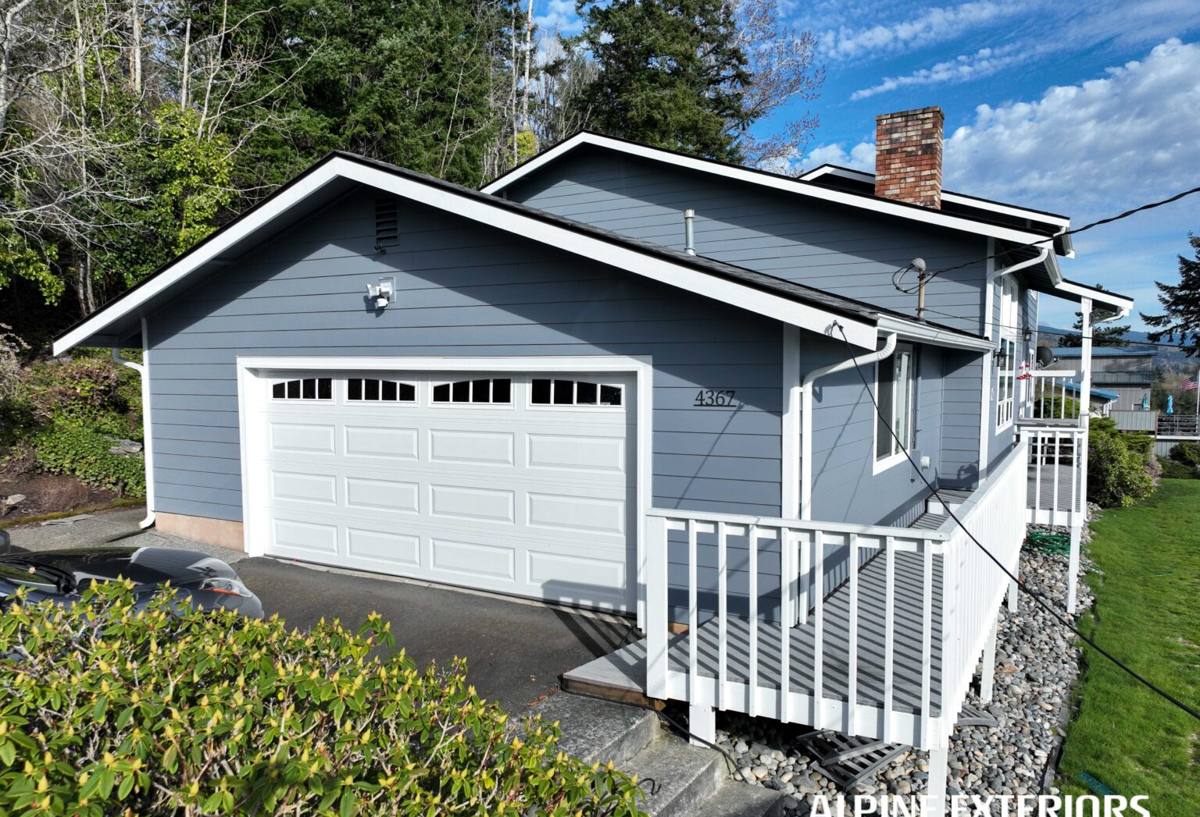
Signs Your Deck Needs Replacement, Not Just Repair
Homeowners often ask us to patch a board or two, and sometimes that's genuinely all that's needed. But there are signs that point to a structural problem underneath the surface, where a repair just delays a bigger failure.
- Soft, spongy, or springy spots when you walk across the deck, especially near the house or stair landing
- Rust streaking or crumbling at fastener heads, joist hangers, or post bases
- A ledger board that's separating, staining dark, or shows gaps where it meets the house siding
- Persistent green or black moss growth on the deck surface that returns within weeks of cleaning
- Wobble or movement in the railing posts, which usually means the post connection has rotted below the surface
- Visible daylight or gaps opening up between deck boards that weren't there a year or two ago
Any one of these on its own might be a repair. Two or more together, particularly involving the ledger board or post bases, usually means the frame has been compromised and a full replacement is the honest recommendation.
What a Correct Deck Replacement Involves
The Ledger Connection
The ledger board — where the deck attaches to the house — is the single most common failure point we see on coastal decks, and it's also the hardest to inspect without opening the deck up. A correct replacement means properly flashing this connection so water is directed away from the house rather than trapped behind the ledger, and using fasteners rated for the exposure rather than standard hardware that will corrode.
Framing and Fasteners
Given the salt air here, we don't treat fastener choice as an afterthought. Standard galvanized hardware corrodes faster near the water than it does inland, so the joist hangers, structural screws, and post connectors on a Sandy Point deck need to be rated for coastal or salt-exposure use. This is a small percentage of total project cost but it's the difference between hardware that lasts the life of the deck and hardware that starts rusting within a few years.
Footings and Post Bases
Post bases sitting in standing water or damp soil are a slow rot problem waiting to happen. A correct replacement sets footings to proper depth and uses post base hardware that keeps the wood post itself elevated off the concrete, so water doesn't wick up into the end grain.
Drainage Under the Deck
Especially with low decks close to grade, water that has nowhere to go just sits and keeps everything damp longer, which is exactly what feeds moss and rot. Grading and gapping decisions made during framing affect how quickly the structure dries out after our long rainy stretches.
Choosing the Right Decking Material for Sandy Point's Climate
There isn't one "correct" decking material for every home — it depends on your budget, how much maintenance you're willing to do, and how exposed your specific lot is to salt air and shade. Here's how the common options actually perform in this environment.
| Material | Moss/Moisture Behavior | Maintenance | Typical Lifespan Here |
|---|---|---|---|
| Pressure-treated wood | Prone to moss in shaded areas; needs regular cleaning and sealing to shed water | Annual cleaning, periodic staining/sealing | 10-15 years with upkeep |
| Cedar | Naturally moisture-resistant but still needs sealing to prevent graying and moss buildup | Sealing every 1-2 years | 15-20 years with upkeep |
| Composite decking | Resists rot but can still grow surface moss/algae in shaded, damp spots — needs periodic washing | Occasional washing, no sealing/staining | 25-30 years, backed by manufacturer warranty |
| PVC/capped polymer | Most resistant to moisture absorption; least prone to sustained moss growth | Occasional washing | 25-30+ years, backed by manufacturer warranty |
We install all of these categories, and we'll walk you through the honest trade-offs for your specific lot — how much sun and wind exposure it gets, how close it is to the water, and what upkeep you're actually willing to commit to. A shaded, north-facing deck near the water is a different decision than a sunny, sheltered one even on the same street.
Railings and Hardware Built for Coastal Exposure
Railings take the brunt of salt air because they're the most exposed vertical surface on the deck and often the first place homeowners notice corrosion — rust bleeding through a painted metal baluster, a cable railing fitting seizing up, or a wood post cap that's gone soft. We spec railing hardware and fasteners rated for coastal exposure on Sandy Point jobs specifically because standard interior-grade hardware is a false economy here; it looks fine for a year or two and then starts failing exactly where it's hardest to service.
Our Deck Replacement Process
1. On-Site Assessment
We start by actually getting under the existing deck where possible, checking the ledger connection, post bases, and framing for rot, not just looking at the surface boards. This tells us whether you're looking at a repair or a full tear-off.
2. Material and Layout Discussion
We talk through decking material, railing style, and any layout changes you want, with honest pros and cons for your specific exposure — sun, shade, wind, and proximity to the water all factor in.
3. Tear-Off and Structural Inspection
Once the old deck is removed, we can fully inspect the ledger, framing, and footings, and confirm the scope before framing begins.
4. Framing, Flashing, and Fastening
This is where the coastal-rated hardware, correct ledger flashing, and proper footing work happen — the parts of the job that determine how long the new deck actually lasts, even though they're invisible once it's finished.
5. Decking, Railing, and Finish Work
Surface decking and railings go on last, along with any stairs, and we do a final walkthrough with you before calling the job done.
Maintaining Your New Deck Through Blaine's Wet Season
Even the best-built deck benefits from a little seasonal attention, and it's a lot less work than people expect.
- Sweep leaves and debris off the deck regularly in fall so they don't trap moisture against the boards
- Rinse or scrub shaded, north-facing areas periodically through the wet months to keep moss from establishing
- Check that gaps between boards stay clear so water drains through rather than pooling
- Inspect railing posts and stair connections once a year for movement or corrosion at fasteners
- Reseal or restain wood decking on the schedule appropriate to that material — don't wait until it's visibly gray and dry
Why Hire a Crew That Already Works in Sandy Point
Deck replacement isn't a one-size-fits-all job, and Sandy Point isn't a generic Whatcom County lot. A crew that's already worked this specific stretch of coastline knows which hardware actually holds up here, how exposed a given lot is likely to be based on its orientation to the water, and where moss tends to become a chronic problem versus a one-time cleanup. That's the kind of judgment that only comes from doing coastal work repeatedly in this exact area, not from a generic decking install checklist.
If your deck is showing soft spots, rust, chronic moss, or a shaky railing, we're happy to take a look and give you a straight answer about whether it's a repair or a replacement — no pressure, no upsell. Reach out for a free estimate using the form below, and we'll walk your deck with you and talk through what it actually needs.