 Blaine Siding
 Windows Built for Birch Point's Coastal Exposure
Birch Point sits close enough to the water that homes here take a different kind of weathering than houses further inland in Whatcom County. Salt-laden air off the Strait works into window frames and hardware year-round, wind-driven rain finds any gap in the flashing during winter storms, and the long, damp shoulder seasons keep moss and mildew active on north-facing walls and sills for months at a time. Windows that would hold up fine in a drier part of the state can start failing early out here — fogging between panes, swelling sashes, or drafts that show up two or three winters after installation.
Energy-efficient windows done right for this location aren't just about the glass package. They're about a whole system — frame material, flashing detail, sealant choice, and installation sequence — that's matched to what Birch Point weather actually does to a house.
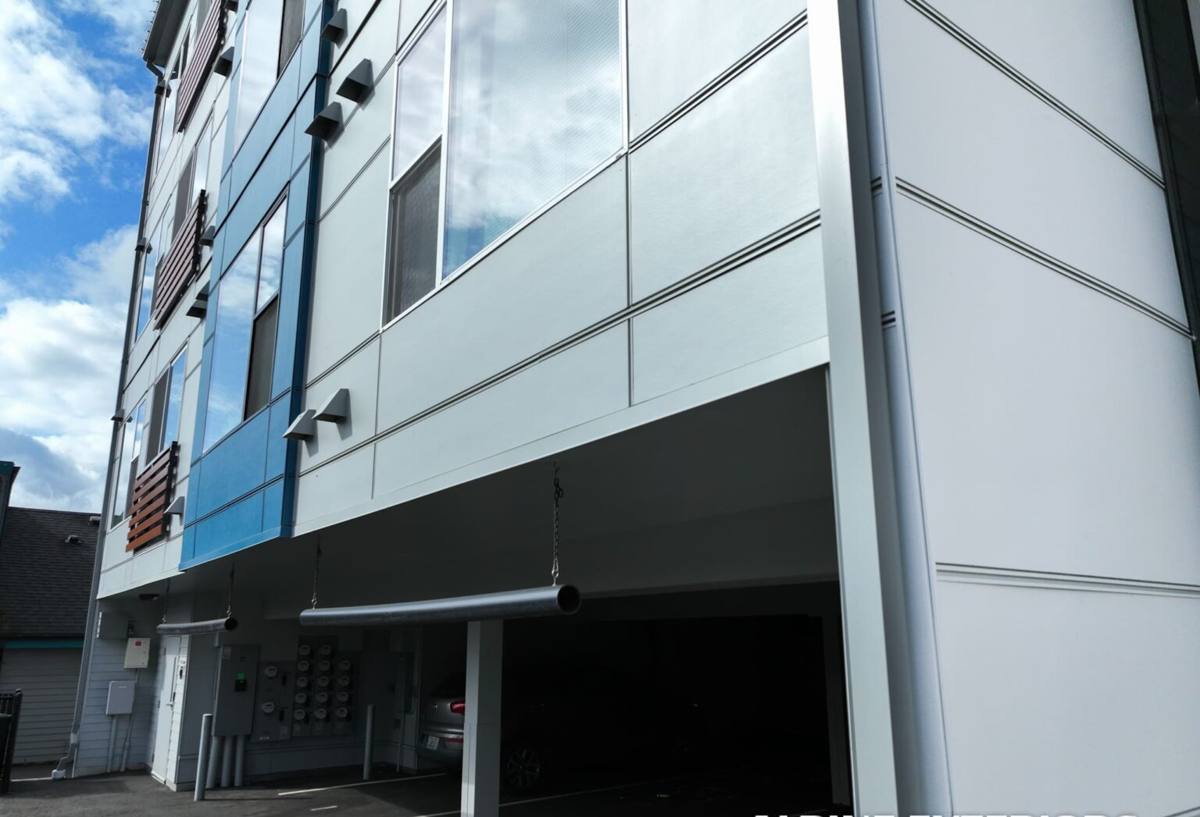
What "Energy-Efficient" Really Means Here
Every window sold today carries a National Fenestration Rating Council (NFRC) label with a U-factor and a Solar Heat Gain Coefficient (SHGC). Those numbers matter, but in a marine climate like Blaine's, they're only part of the picture. A window can have an excellent U-factor on paper and still underperform if it's not installed with proper air sealing, or if the frame material can't handle sustained moisture exposure without degrading.
Glazing That Fits Our Climate
Whatcom County's Pacific Northwest climate zone calls for double-pane windows with low-E coatings as a baseline, and argon-filled units are worth the modest upcharge for the added insulating value. Triple-pane is available and does reduce heat loss further, but for most Birch Point homes the return on investment is better spent on quality double-pane glass paired with airtight installation than on triple-pane glass installed loosely.
Frame Materials in Salt Air
Frame choice matters more here than in a lot of other parts of the state. Vinyl frames handle salt exposure and moisture well with minimal upkeep, which is why they're the most common choice for homes near the water. Fiberglass performs similarly and holds paint better if you want a custom color. Wood and wood-clad frames look great but need consistent maintenance in this environment — salt air accelerates finish breakdown on exposed wood, so if you go that route, plan on a real maintenance schedule rather than a "set it and forget it" expectation.
Problems We See on Birch Point Homes Specifically
After years of window work in this area, a few failure patterns show up again and again:
- Fogged or clouded glass from failed seals, usually on older units originally installed without upgraded spacer systems
- Soft or discolored trim and sills where wind-driven rain has worked past old caulk lines
- Moss or algae staining on frames and sills, especially on north- and west-facing exposures
- Corroded hardware — latches and cranks that stick or won't fully lock
- Noticeable drafts around the frame perimeter even when the window itself is closed and locked
Most of these trace back to one of two things: the original window wasn't rated for coastal exposure, or it was installed without the flashing and sealing details this climate demands. Good glass in a poorly flashed opening will still leak.
What a Correct Installation Actually Involves
Flashing and Water Management
This is the step that separates a window that lasts twenty-plus years from one that starts leaking in three. Every opening needs a properly lapped weather-resistive barrier, sill pan flashing that directs any incidental water back outside rather than into the wall cavity, and window flanges integrated correctly with the house wrap — not just caulked over the top. In a location that gets sustained driving rain off the water, shortcuts here are exactly what shows up as soft trim and interior staining a few years down the road.
Air Sealing and Insulation
Low-expansion foam or backer rod and sealant around the rough opening — matched to the gap size, not overfilled — keeps conditioned air in and drafts out. This is also where a lot of the real-world energy performance comes from, more so than the glass spec alone.
Fit and Reveal
Windows need to be shimmed plumb, level, and square before fastening, with consistent reveal around the sash so it operates smoothly and seals evenly for the life of the window. An out-of-square install stresses the frame and can cause premature seal failure even on a high-quality unit.
Our Process, Start to Finish
- On-site assessment — we look at existing window condition, framing, and any signs of past moisture intrusion before recommending anything.
- Honest product recommendation — matched to your home's exposure, budget, and how the openings are currently built out, not a one-size-fits-all package.
- Written estimate — clear scope, materials, and timeline, no pressure to decide on the spot.
- Removal and prep — old units removed carefully, rough openings inspected and repaired if there's hidden rot or damaged sheathing.
- Flashing and installation — sill pan, WRB integration, and air sealing done to manufacturer spec and matched to Birch Point's exposure.
- Final walkthrough — we check operation, sealing, and cleanup with you before calling the job done.
Comparing Window Options for a Coastal Blaine Home
| Frame Type | Coastal Durability | Maintenance | Typical Use Case |
|---|---|---|---|
| Vinyl | Strong — resists salt corrosion, doesn't rot | Low | Most Birch Point replacements; best value for performance |
| Fiberglass | Strong — stable in temperature swings and moisture | Low | Homes wanting a paintable, custom-color frame |
| Wood-clad | Moderate — exterior clad protects wood, but seams need monitoring | Moderate to high | Homes prioritizing a traditional wood interior look |
| Aluminum | Weaker — prone to condensation and corrosion near salt air | Moderate | Generally not our recommendation this close to the water |
We don't push aluminum-frame replacements for homes this close to the Strait — not because the product is defective, but because its thermal and corrosion performance simply isn't a good match for sustained salt air exposure, and we'd rather set honest expectations up front than sell something likely to disappoint in a few years.
What Affects the Cost of a Window Project
Every home is different, so we don't quote sight-unseen, but a few factors reliably move the price:
| Factor | Why It Matters |
|---|---|
| Number and size of openings | Larger and more numerous windows mean more material and labor |
| Frame material | Vinyl is typically the most budget-friendly; fiberglass and wood-clad cost more |
| Glass package | Argon fill, upgraded low-E coatings, and triple-pane options add cost |
| Condition of existing openings | Hidden rot or past water damage adds repair time before install |
| Access and second-story work | Harder-to-reach openings take more time and equipment |
Broadly, homeowners in this area should expect window replacement projects to range from a modest per-window cost for standard vinyl units up into a considerably higher range for larger openings, upgraded glass, or premium frame materials. We'll always give you real numbers for your specific home rather than a rough average.
Why a Crew That Already Works Birch Point Matters
A contractor who's done window work throughout this stretch of Whatcom County already knows how the local exposure behaves — which sides of a house take the worst of the wind-driven rain, how moss builds up differently here than a few miles inland, and what flashing details actually hold up through a full winter of Strait weather. That local pattern recognition means fewer surprises during the job and a better chance the install performs the way it's supposed to for the next two decades, not just the first year.
It also means we're not learning the area on your project. We've seen how salt air treats different hardware finishes, which frame materials hold color and function longest this close to the water, and where past installs in this neighborhood have gone wrong — so we can avoid repeating those mistakes on your home.
Keeping New Windows Performing Long-Term
Even a correctly installed window benefits from basic upkeep in this climate:
- Rinse salt residue and grime off frames and glass a few times a year, especially after storms
- Check and clear weep holes so water can drain properly out of the frame
- Inspect exterior caulk lines annually and touch up before gaps develop
- Wipe down sills and tracks where moss or algae tends to collect on shaded sides of the house
- Operate locks and cranks periodically so hardware doesn't seize from disuse
None of this is heavy maintenance — it's the kind of light seasonal check that keeps a good installation good for the long haul.
If your Birch Point home has drafty, foggy, or aging windows, we're happy to take a look and give you a straightforward, no-pressure estimate — just fill out the form below to get started.